10 min reading time
SIBO Foods: Preventing small intestinal bacterial overgrowth relapse through diet
Small intestinal bacterial overgrowth is a condition where too many bacteria live in the small intestine. Doctors can treat this overgrowth, but the bacteria often return. Studies show that up to 44 percent of people get the condition again within nine months of their first treatment1. Food is the main way to stop these bacteria from coming back.
The small intestine absorbs nutrients from food. When too many bacteria live there, they eat the food before the human body can absorb it4. The bacteria eat carbohydrates and produce gases. These gases cause bloating, pain, and changes in bathroom habits5. Preventing a relapse means eating foods that starve the bacteria while feeding the human body.
The migrating motor complex
The small intestine has an automatic cleaning system called the migrating motor complex7. This system uses muscle contractions to sweep through the stomach and the small intestine. It is like a street sweeper7. It pushes leftover food, dead cells, and bacteria down into the large intestine8. This sweeping motion keeps the bacteria from crawling backward into the small intestine7.
The cleaning wave happens in a cycle that takes 90 to 120 minutes7. The cycle has four parts. Phase one is a resting period. Phase two involves weak, irregular muscle contractions. Phase three is a strong burst of rhythmic contractions that lasts for five to ten minutes. Phase four is a short transition back to rest7.
This cleaning cycle only happens when the stomach is empty. Eating food stops the migrating motor complex completely8. The cleaning wave pauses for about 90 to 120 minutes after a person eats8. If a person eats snacks all day, the strong phase three contractions never happen. Without this cleaning wave, bacteria build up in the small intestine and cause a relapse3.
Stress also stops the cleaning wave. High stress levels shut down the muscle contractions, causing bacteria to stay in the small intestine9.
Meal spacing
Because the cleaning wave needs an empty stomach, doctors recommend leaving four to five hours between every meal5. During this time, a person eats no food. They can only drink water, black coffee, or plain herbal tea5. These drinks do not trigger the digestive hormones that stop the cleaning wave.
Spacing meals gives the digestive system enough time to clear out food from one meal before the next meal arrives5. This keeps fermentable food from sitting in the small intestine.
Fasting overnight is another rule for preventing a relapse. The migrating motor complex is very active while a person sleeps. People are advised to stop eating at least two hours before going to sleep3. A 12-hour fast overnight gives the small intestine time to run several uninterrupted cleaning cycles before breakfast8.
How bacteria eat and produce gas
Gut bacteria eat carbohydrates. The human digestive system uses enzymes to break down food. Bacteria break down food through a process called fermentation5.
When bacteria ferment carbohydrates, they make gas. Depending on the exact type of bacteria in the gut, this fermentation makes hydrogen, methane, or hydrogen sulfide gas5. Hydrogen gas causes diarrhea6. Methane gas causes constipation and slows down the digestive tract6. Hydrogen sulfide gas also causes diarrhea6. These gases stretch the small intestine and cause pain5.
Bacteria do not ferment proteins or fats4. They need carbohydrates to survive. However, bacteria prefer complex carbohydrates and specific sugars that the human body cannot digest easily5. To prevent a relapse, a person eats carbohydrates that the human body absorbs very quickly. If the human body absorbs the food high up in the digestive tract, no food reaches the bacteria living lower down in the small intestine12.
Dietary plans for relapse prevention
There are a few structured diets that help prevent small intestinal bacterial overgrowth from returning.
Dr. Mark Pimentel and researchers at Cedars-Sinai Medical Center developed the low fermentation eating plan11. This diet reduces fermentable carbohydrates but allows a wide variety of foods11. The main rule is to eat simple, easy-to-digest carbohydrates and avoid complex fibers5. Foods like white rice, potatoes, and white bread are allowed11. The human body breaks down these simple starches fast. They absorb into the bloodstream before they reach the bacteria12. The diet limits whole grains and tough vegetables5. The human body cannot digest high-fiber foods. They pass through the stomach intact and feed the bacteria5.
Monash University created the low FODMAP diet11. FODMAP is an acronym for fermentable oligosaccharides, disaccharides, monosaccharides, and polyols16. These are short-chain carbohydrates that the human small intestine absorbs poorly16.
Oligosaccharides are fibers found in wheat, rye, garlic, onions, and beans16. The human body has no enzymes to break them down. Disaccharides refer mainly to lactose, the sugar in cow’s milk. If a person does not have the lactase enzyme, lactose ferments in the gut4. Monosaccharides refer to fructose. Excess fructose is found in honey, apples, and pears16. Polyols are sugar alcohols like sorbitol and xylitol. They are found in certain fruits, mushrooms, and artificial sweeteners16. Sugar alcohols pull water into the intestines and ferment easily.
The low FODMAP diet is a temporary process with three parts. These parts are elimination, reintroduction, and personalization5. In the elimination phase, a person stops eating all high-FODMAP foods for two to six weeks13. This starves the bacteria. In the reintroduction phase, the person tests one specific FODMAP group at a time to see if symptoms return11. In the personalization phase, the person builds a long-term diet that only excludes their specific trigger foods5.
Other specialized diets exist. The specific carbohydrate diet removes all grains from the diet11. It allows fresh vegetables, meat, eggs, and low-fructose fruits11. The SIBO specific food guide combines the low FODMAP diet and the specific carbohydrate diet into one very restrictive plan11. The bi-phasic diet uses a strict elimination phase followed by a slow reintroduction of fermentable foods11.
The elemental diet is a liquid meal replacement plan4. The liquid formula contains proteins, simple carbohydrates, and fats that are already broken down into their simplest forms12. The human body absorbs the liquid immediately, leaving zero food for the bacteria. Doctors prescribe the elemental diet for two to three weeks to completely starve the bacteria12.
Selecting foods for a clear intestine
Understanding how different foods break down helps a person choose the right meals.
Proteins are safe to eat because they do not ferment into gas4. A person can eat chicken, turkey, lean beef, pork, fish, and eggs5. Firm tofu is an acceptable plant-based protein12. The process of making firm tofu presses out the water and the fermentable sugars12. Silken tofu keeps that liquid, so it is avoided12. Processed meats require careful checking. Sausage and deli meats often have hidden ingredients like garlic powder, onion powder, or high-fructose corn syrup13. These additives deliver concentrated bacteria food straight to the small intestine.
Whole wheat, brown rice, barley, and oats have an outer bran layer12. This layer is made of insoluble fiber. The human body cannot absorb it, so it travels slowly through the gut and feeds the bacteria13. To prevent a relapse, a person eats refined carbohydrates instead. White rice, potatoes, and white bread digest quickly11. The enzymes in the human stomach turn these simple starches into glucose right away. Gluten-free pasta made from corn or white rice is safe5.
Authentic sourdough bread is an exception. Bakers make sourdough using a slow fermentation process outside the human body. Wild yeast eats the fermentable carbohydrates in the wheat flour before the bread goes into the oven5. Because the yeast already digested the sugars, the baked bread is usually safe to eat5.
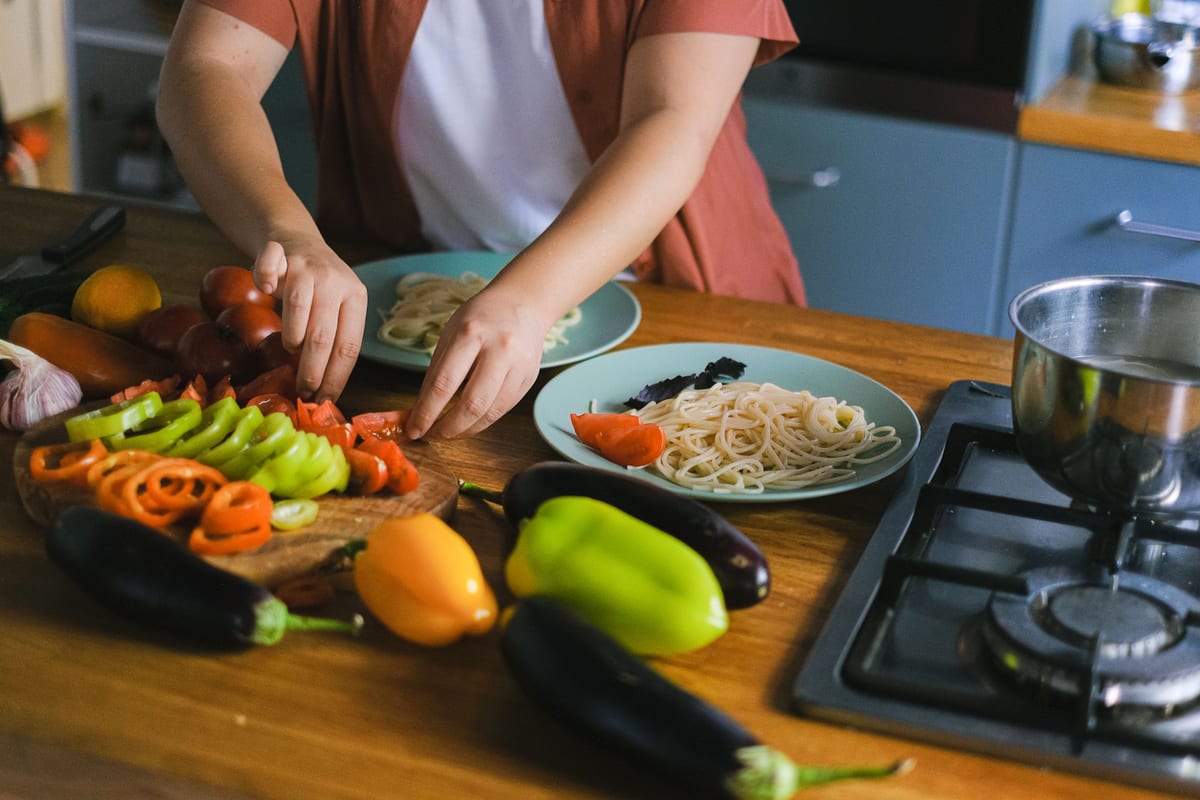
Root vegetables and fruiting vegetables are the safest choices. Carrots, cucumbers, bell peppers, tomatoes, zucchini, parsnips, and eggplant have very low levels of fermentable sugars5. Broccoli, cauliflower, Brussels sprouts, and cabbage belong to the cruciferous vegetable family. They contain complex fibers and sugars that humans cannot digest12. They create a lot of gas and act as fast fuel for bacteria12.
Onions, garlic, and leeks carry the highest risk for causing a relapse. They have very high amounts of fermentable fibers11. A person can use the green tops of scallions or chives for cooking because the fermentable sugars stay inside the white bulbs5. Most mushrooms are also avoided because they contain high amounts of the sugar alcohol mannitol11.
Fruits have fructose. The human body absorbs fructose easily when the fruit also has an equal amount of glucose. If a fruit has more fructose than glucose, the extra fructose travels slowly through the gut and ferments13. Apples, pears, mangoes, cherries, and watermelon have high amounts of extra fructose12. Apples and pears also contain sorbitol, giving the bacteria two different types of food at once13. Strawberries, blueberries, oranges, lemons, kiwi, cantaloupe, and grapes have balanced sugars and are absorbed easily5.
All dried fruits are avoided. Raisins, dates, prunes, and dried figs are highly concentrated sources of sugar5. Fruit juices flood the small intestine with sugar too quickly, so they are also restricted5.
Cow’s milk, yogurt, and soft cheeses like ricotta or cream cheese contain lactose5. If a person does not have the lactase enzyme in their small intestine, lactose ferments and causes gas and diarrhea4. The process of making hard cheese removes the lactose. Hard, aged cheeses like parmesan, cheddar, and Swiss are safe to eat5. Butter and ghee are made of fat and have almost zero milk sugars5. Lactose-free cow’s milk is safe because the manufacturer adds the lactase enzyme to the milk, which pre-digests the sugars5. Almond milk, rice milk, and oat milk are safe plant-based alternatives5.
Walnuts, macadamia nuts, almonds, sunflower seeds, and pumpkin seeds are well-tolerated in small portions5. Cashews and pistachios are strictly avoided because they have high amounts of fermentable fibers15.
Table sugar and pure maple syrup have balanced amounts of glucose and fructose. The body absorbs them quickly, making them safe to eat in small amounts12. Honey and agave nectar have too much fructose and ferment easily5. Sugar alcohols like sorbitol, xylitol, and mannitol are found in sugar-free gum and diet candies12. The human body cannot absorb them. They draw water into the intestines and feed the bacteria12. Food thickeners like xanthan gum, guar gum, and carrageenan are also highly fermentable and slow down the movement of food through the digestive tract12.
Food texture and cooking methods
The physical texture of food affects how fast the body digests it. Tough, raw foods force the stomach to work harder. If the stomach does not break the food down completely, large pieces enter the small intestine. This slows down the transit time and gives bacteria a place to attach and feed10.
Eating soft, well-cooked foods prevents this problem21. Cooking vegetables breaks down their tough outer structures. Soups, stews, and slow-roasted meats are good choices because the cooking process does some of the digestive work before the person even takes a bite21.
Summary of food categories
| Food category | Easily absorbed foods | Slowly absorbed foods |
|---|---|---|
| Proteins | Chicken, beef, fish, eggs, firm tofu | Processed meats with garlic or onion powder, silken tofu |
| Grains | White rice, white potatoes, authentic sourdough, corn pasta | Whole wheat, brown rice, barley, rye, oats |
| Vegetables | Carrots, cucumbers, bell peppers, tomatoes, zucchini | Onions, garlic, broccoli, cauliflower, cabbage, mushrooms |
| Fruits | Strawberries, blueberries, oranges, grapes, kiwi | Apples, pears, cherries, watermelon, mangoes, dried fruits |
| Dairy | Hard cheeses, lactose-free milk, butter | Cow's milk, yogurt, soft cheeses |
| Nuts | Walnuts, macadamia nuts, almonds, sunflower seeds | Cashews, pistachios |
| Sweeteners | Table sugar, maple syrup | Honey, agave, sorbitol, xylitol, high-fructose corn syrup |
The problem with strict diets over time
Restricting fermentable foods stops bacteria from growing in the small intestine. However, staying on a strict diet forever causes other health problems.
The large intestine needs a diverse microbiome to stay healthy. The good bacteria in the large intestine survive by eating the exact same fermentable fibers that cause problems in the small intestine14. If a person follows a strict low FODMAP or low fermentation diet for a long time, they starve the good bacteria in their colon2.
These good bacteria produce short-chain fatty acids. These fatty acids give energy to the cells lining the colon and support the immune system23. Long-term restriction weakens the gut and lowers the number of beneficial bacteria14.
To fix this, a person must test their limits. Once the small intestine is free of symptoms, the person slowly adds small amounts of excluded foods back into their meals11. They might find they can eat a small bowl of oats or a piece of broccoli without getting sick. This gradual expansion keeps the large intestine healthy while keeping the small intestine clear of overgrowth4.
This is for informational purposes only. For medical advice or diagnosis, consult a professional.
Works Cited & Scientific References
23
▼
- Eradication of Small Intestinal Bacterial Overgrowth in Systemic Sclerosis: Current Treatment and Perspectives—A Narrative Review - PMC
- What Is SIBO? Symptoms, Testing, and Treatment Explained - Seed
- Why SIBO Keeps Coming Back — and What's Really Behind the Relapse
- SIBO Diet - SIBOINFO
- Low Fermentation Diet For IBS Relief — Gutfulness Nutrition - Marilia Chamon
- Treating & Managing SIBO, IMO, and ISO Effectively - Trio-Smart
- Can Motility PRO Restore Gut Function and Relieve SIBO in Long COVID Patients? | RTHM
- What is the Migrating Motor Complex & how to fix it - Goodness Me Nutrition
- Why Your SIBO Keeps Coming Back: The Hidden Role of Stress, Infections, and Toxins
- SIBO: A Functional Nutritionist's Guide to Symptoms, Root Causes and Treatment
- How does a SIBO Diet Plan look like? - SIBO Academy
- Eating with SIBO: Diet Guide to Low FODMAP, Carnivore & Low Fermination - Trio-Smart
- The Essential Guide to the Low Fermentation Diet for Digestive Health | Performance Lab®
- The Low Fermentation Diet for SIBO - THE IBS DIETITIAN
- Low Fermentation Diet Food List | Good LFE LLC
- FODMAP Diet: The Complete Guide to Better Digestion and Irritable Bowel Relief - Biocyte
- SIBO (Small Intestinal Bacterial Overgrowth): Symptoms, Causes, & Treatment
- Nutritional Approach to Small Intestinal Bacterial Overgrowth: A Narrative Review - PMC
- Low FODMAP and Gluten-Free Diet Implementation: A Guide for the General Practitioner
- FODMAP Reintroduction Phase Chart: Complete Guide with Food List & PDF
- 11 Best SIBO Diets (Denver-Friendly Guide) - Vitality Natural Medicine
- Case Study: Recalcitrant Hydrogen and Methane SIBO in the Setting of Post-Infectious IBS
- Dietary and Lifestyle Factors Associated with Small Intestinal Bacterial Overgrowth (SIBO) - Type of the Paper (Article - UMK
Topics & Tags:
Continue Learning
Related SIBO Guides