
12 min reading time
Blood tests for small intestinal bacterial overgrowth
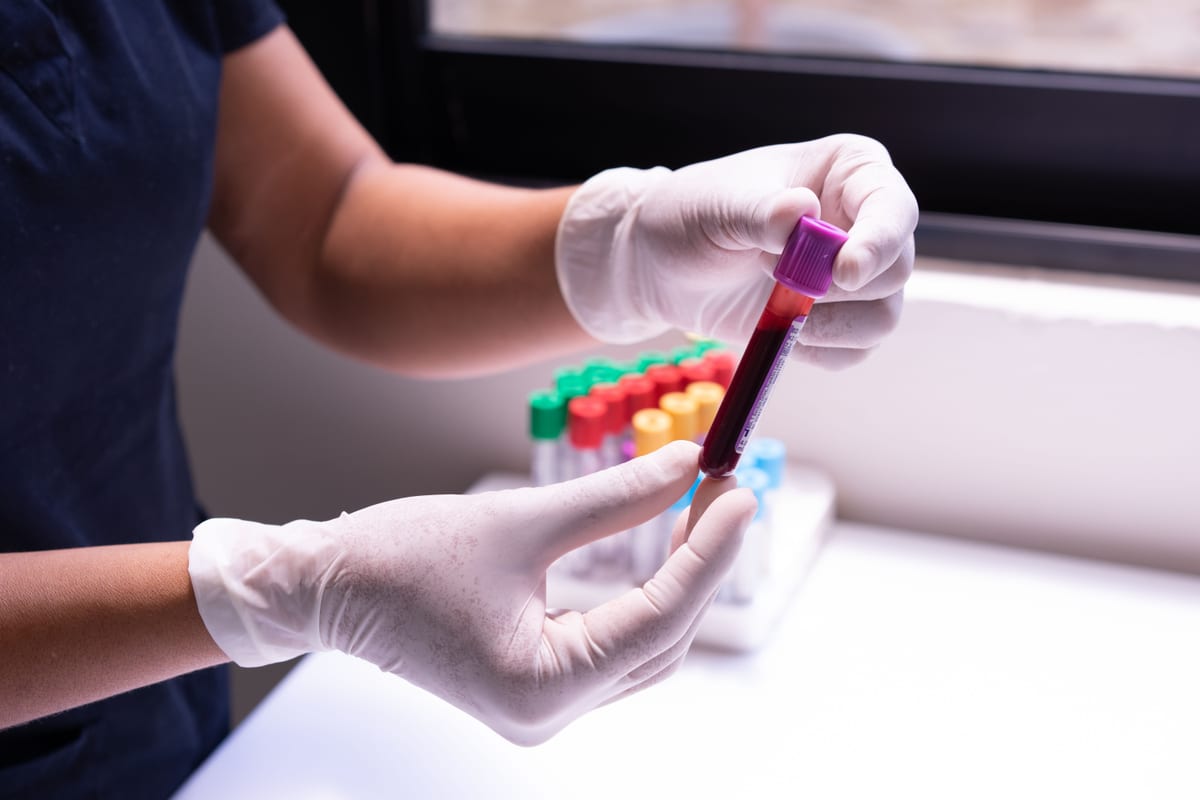
Small intestinal bacterial overgrowth (SIBO) is a condition where excessive numbers of bacteria collect in the small intestine. The small intestine normally holds a low concentration of bacteria compared to the large intestine. When bacteria overgrow in this area, they interfere with normal digestion and absorption. While doctors often use breath tests to measure the gases these bacteria produce, blood tests look for different information. Blood tests identify the root causes of the overgrowth, measure the nutritional deficiencies the bacteria create, and detect the immune system’s response to intestinal damage1.
The blood tests related to small intestinal bacterial overgrowth fall into three main categories. The first category includes antibody tests that identify post-infectious nerve damage. The second category consists of nutritional panels that track nutrient absorption and cellular vitamin deficiencies. The third category includes inflammatory markers that measure physical damage to the gut barrier.
Antibody blood tests for post-infectious nerve damage
Many cases of small intestinal bacterial overgrowth begin after an episode of food poisoning4. When a person contracts food poisoning, the bacteria responsible release a specific toxin into the gut. The most common bacteria that cause this are Escherichia coli, Campylobacter, Salmonella, Shigella, and C. difficile4. The toxin they release is named cytolethal distending toxin B, commonly referred to as CdtB4.
When the CdtB toxin enters the digestive tract, the human immune system recognizes it as a threat and produces antibodies against it1. Antibodies are proteins the immune system uses to neutralize invaders. A specific blood test measures these anti-CdtB antibodies. High levels of anti-CdtB in the blood indicate that the patient’s immune system previously fought off a food poisoning infection that produced this toxin4.
The body’s response to the CdtB toxin causes a secondary problem due to molecular mimicry. The CdtB toxin looks structurally similar to a naturally occurring human protein called vinculin1. Vinculin is located in the nerves and smooth muscle cells of the human intestines4. Because the bacterial toxin and the natural human protein look alike, the immune system becomes confused. It begins attacking the body’s own vinculin, producing anti-vinculin antibodies1. A blood test also measures these anti-vinculin antibodies in the bloodstream.
Vinculin is necessary for the proper function of the migrating motor complex. The migrating motor complex is an automatic cleaning wave that sweeps through the stomach and small intestine every 90 to 120 minutes between meals4. This physical wave pushes leftover food, debris, and bacteria down into the large intestine. When anti-vinculin antibodies damage the intestinal nerves, the migrating motor complex stops working correctly4. Without this cleaning wave, bacteria pool and multiply in the small intestine, resulting in bacterial overgrowth3.
Blood testing panels for antibodies
The commercial blood test that measures both anti-CdtB and anti-vinculin antibodies is called the ibs-smart test1. It requires a simple blood draw. Patients have their blood drawn at a local laboratory, or they use an at-home collection device called Tasso+, which collects capillary blood from the upper arm11. The blood sample goes to a specialized laboratory, and the results are available to the doctor or patient in about seven days1.
This specific blood test helps doctors differentiate between different bowel conditions. It is mainly used for patients who have diarrhea-predominant symptoms or mixed bowel habits1. The test is not frequently used for patients who only experience constipation, because these specific antibodies are rarely elevated in those cases1.
The primary clinical use of measuring anti-CdtB and anti-vinculin in the blood is to distinguish post-infectious bowel conditions from inflammatory bowel disease10. If a patient has elevated levels of either antibody, the diagnosis is confirmed with a high degree of certainty. The blood test has specific statistical limits regarding its accuracy and cutoff values.
| Antibody Measured | Optical Density Cutoff | Specificity | Sensitivity | Positive Predictive Value |
|---|---|---|---|---|
| Anti-CdtB | 2.80 | 91.6% | 43.7% | Up to 96% |
| Anti-vinculin | 1.68 | 83.8% | 32.6% | Up to 96% |
The normal range for both markers is less than 1.60 optical density. A blood test result between 1.60 and 3.00 is considered abnormal. Results above 3.00 are considered very high and indicate severe nerve damage in the digestive tract5.
The specificity for the anti-CdtB blood test is 91.6%, and the specificity for the anti-vinculin blood test is 83.8%6. Specificity refers to the test’s ability to correctly identify people without the disease. High specificity means that if the test is positive, the result is highly reliable. The positive predictive value reaches 100% when both antibodies are elevated at the same time in the blood sample1.
The sensitivity of the blood test is low. The sensitivity for anti-CdtB is 43.7%, and for anti-vinculin, it is 32.6%6. Sensitivity measures how well a test identifies everyone who actually has the condition. Because the sensitivity is low, a negative result on this blood test does not mean the patient is completely clear of small intestinal bacterial overgrowth. It simply means that their overgrowth is not caused by elevated anti-CdtB or anti-vinculin antibodies14.
Using this blood test alters how doctors sequence their diagnostic procedures. Propensity-matched general ledger models from clinical studies show that using the antibody blood test reduces the total diagnostic cost for patients. The models predict an incremental savings of $526 per patient because a positive blood test allows doctors to skip more invasive procedures like colonoscopies or upper endoscopies when evaluating chronic diarrhea10.
Nutritional blood tests for malabsorption
When bacteria overgrow in the small intestine, they interfere with the body’s ability to absorb nutrients. The bacteria consume vitamins before the human digestive tract absorbs them, and they alter the chemical environment of the gut. Doctors use routine and specialized nutritional blood tests to identify the specific deficiencies caused by the bacterial overgrowth3.
Vitamin B12 and folate blood tests
The most common blood test pattern seen in small intestinal bacterial overgrowth is a combination of low vitamin B12 and high folate2.
Vitamin B12 is absorbed in the final section of the small intestine, called the terminal ileum. In a healthy digestive system, vitamin B12 binds to a transport protein called intrinsic factor, allowing it to pass through the intestinal wall into the bloodstream2. When excessive bacteria are present in the small intestine, they consume the vitamin B12 for their own metabolism before it reaches the ileum3. The bacteria also damage the binding sites on the intestinal wall, further reducing absorption2. A standard blood test measures the total serum vitamin B12 circulating in the blood. A low serum vitamin B12 level points directly to bacterial consumption and malabsorption2.
Folate, also known as vitamin B9, shows the opposite pattern on a blood test. While bacteria consume vitamin B12, many species of gut bacteria actually produce folate as a byproduct of their digestion15. Because the small intestine absorbs folate easily, this bacterially produced folate enters the bloodstream. A blood test will often show normal or abnormally elevated serum folate levels in patients with bacterial overgrowth2.
Methylmalonic acid and homocysteine blood tests
Measuring total serum vitamin B12 is not always accurate. Some patients have normal levels of vitamin B12 circulating in their blood, but their actual cells are starved of the vitamin. This condition is called functional vitamin B12 deficiency19. To detect functional deficiency, doctors order blood tests for methylmalonic acid and homocysteine19.
Methylmalonic acid is a chemical byproduct created when the body breaks down proteins and fats. Inside the human cells, an enzyme called methylmalonyl-CoA mutase relies on an active form of vitamin B12 to convert methylmalonic acid into a usable energy source19. If there is not enough active vitamin B12 inside the cell, the enzyme stops working. The methylmalonic acid has nowhere to go, so it builds up inside the cell and spills into the bloodstream19.
A methylmalonic acid blood test acts as a direct window into cellular health. If a patient’s standard vitamin B12 blood test is normal, but their methylmalonic acid blood test is high, it confirms that the cells do not have enough vitamin B1219.
Homocysteine is another amino acid measured through a blood test. Like methylmalonic acid, homocysteine requires vitamin B12 to be processed and broken down by the body20. When a patient has small intestinal bacterial overgrowth that causes a B12 deficiency, homocysteine levels in the blood will rise20. High homocysteine and high methylmalonic acid together provide a definitive confirmation of vitamin B12 malabsorption19.
Fat-soluble vitamin blood tests
Small intestinal bacterial overgrowth severely impairs the body’s ability to digest and absorb dietary fats. Normally, the liver produces bile acids, which are stored in the gallbladder and released into the small intestine when food enters22. These bile acids are conjugated, meaning they are chemically bound to other molecules. This allows them to act like soap. They break down large fat droplets into tiny particles called micelles, which the intestinal wall absorbs easily9.
When bacteria overgrow in the small intestine, they release enzymes that prematurely break the chemical bonds of the bile acids. This process is called bile acid deconjugation9. Once the bile acids are deconjugated, they lose their ability to form micelles. The dietary fats remain in large, unabsorbable droplets and pass through the digestive tract9.
Vitamins A, D, E, and K are fat-soluble, meaning they must dissolve in fat to be absorbed by the body9. Because the bacteria disrupt fat digestion, these vitamins stay trapped in the unabsorbed fat and are lost in the stool9. Doctors use specific blood tests to measure the exact levels of these fat-soluble vitamins.
| Vitamin | Specific Blood Test Name | Clinical Significance of Low Levels |
|---|---|---|
| Vitamin D | 25-hydroxyvitamin D | Deficiencies cause calcium absorption problems, leading to muscle cramps, bone pain, and long-term bone density loss. This is a very common deficiency in bacterial overgrowth2. |
| Vitamin A | Serum retinol | Severe deficiency leads to night blindness and overall immune system weakness9. |
| Vitamin E | Serum alpha-tocopherol | Low levels cause oxidative stress and prolonged neurological problems9. |
| Vitamin K | Prothrombin time | Direct blood measurement is difficult. The prothrombin time test measures blood clotting speed. A prolonged clotting time indicates a severe vitamin K deficiency9. |
Iron, ferritin, and zinc blood tests
Blood tests commonly reveal iron deficiency in patients with small intestinal bacterial overgrowth3. Gut bacteria require iron to survive and grow. When excess bacteria are present in the small intestine, they actively compete with the human body for the iron consumed in the diet3. The bacteria also cause local inflammation that damages the intestinal lining, further blocking normal iron absorption3.
A standard complete blood count reveals low hemoglobin and physical changes to the red blood cells, such as anisocytosis. Anisocytosis is an variation in the size of red blood cells, which is measured on a blood test by a high red cell distribution width18. A specific blood test for ferritin is also used. Ferritin is a protein that stores iron inside the cells. A low serum ferritin level is one of the earliest markers of iron deficiency, often dropping long before true anemia appears on a standard blood count29.
Zinc deficiency is another marker detected via blood tests. Zinc is absorbed in the small intestine, and the chronic inflammation and diarrhea associated with bacterial overgrowth flush it out of the body before it can be utilized. Statistical analyses of patients with chronic digestive diseases show that low serum zinc levels are a strong independent predictor of small intestinal bacterial overgrowth3.
Blood tests for gut barrier damage and endotoxemia
The walls of the small intestine act as a strict barrier between the digestive tract and the rest of the body. The intestinal cells are held tightly together by protein structures called tight junctions31. This barrier allows broken-down nutrients to pass into the blood while keeping bacteria and large food particles trapped inside the gut. Small intestinal bacterial overgrowth physically damages this barrier, causing a condition known as intestinal permeability, or leaky gut9.
When the tight junctions break apart, bacterial fragments and toxins slip through the intestinal wall and enter the bloodstream. The immune system identifies these foreign particles and triggers widespread systemic inflammation31. Specific blood tests measure the antibodies the immune system creates to fight these translocated toxins.
Lipopolysaccharide and anti-LPS blood tests
Lipopolysaccharide, also known as LPS or endotoxin, is a structural molecule located on the outer cell wall of gram-negative bacteria31. The human gut contains trillions of gram-negative bacteria. Under normal circumstances, the LPS remains safely inside the intestinal tract. However, when the gut barrier fails due to bacterial overgrowth, LPS leaks into the portal vein and enters the systemic blood circulation31.
Even a microscopic amount of LPS in the blood triggers an aggressive immune response31. The LPS molecules bind to receptors on white blood cells, which immediately release inflammatory chemicals called cytokines31. This constant flow of endotoxins into the blood causes a state of chronic, low-grade inflammation known as metabolic endotoxemia31.
Doctors use a blood test to measure anti-lipopolysaccharide antibodies31. Instead of trying to measure the exact amount of LPS in the blood, the test measures the immune system’s long-term response. The blood test looks for three types of immunoglobulins. Anti-LPS IgA indicates an immune response happening directly at the mucosal lining of the gut32. Anti-LPS IgG indicates a long-term, systemic immune response circulating in the bloodstream31. Anti-LPS IgM indicates an early or acute immune response31. Elevated levels of any anti-LPS antibodies prove that gram-negative bacteria are successfully crossing the damaged intestinal wall31.
Tight junction blood tests
Other blood tests measure the physical damage to the gut wall itself. Occludin is one of the main proteins that forms the tight junctions between intestinal cells39. When bacterial overgrowth causes inflammation, the tight junctions break apart, and fragments of occludin enter the bloodstream. The immune system creates anti-occludin antibodies to clear these fragments. High levels of anti-occludin antibodies on a blood test indicate that the physical structure of the gut wall is actively breaking down39.
Zonulin is another protein related to the gut barrier. Zonulin regulates the opening and closing of the tight junctions32. When bacteria overgrow, the body overproduces zonulin, which forces the tight junctions to stay open for too long. A blood test measuring elevated serum zonulin levels indicates active intestinal permeability32.
Blood tests for bacterial fermentation
When bacteria in the small intestine digest dietary carbohydrates, they ferment the food and produce gases and organic acids3. One of the primary acids produced by bacterial fermentation is D-lactic acid.
The human body naturally produces L-lactic acid during exercise, and human cells are highly efficient at clearing it away. However, human cells are not designed to process the bacterial version, D-lactic acid, quickly41. When small intestinal bacterial overgrowth generates large amounts of D-lactic acid, the acid passes through the compromised gut wall and accumulates in the blood3.
A specific blood test for D-lactate is used to measure these exact levels41. High levels of D-lactate in the blood confirm severe carbohydrate fermentation in the gut3. This accumulation of D-lactic acid lowers the blood’s pH and travels to the brain, producing neurological symptoms. Patients with high D-lactate levels on their blood tests frequently experience intense brain fog, severe fatigue, and cognitive difficulties. These symptoms seem disconnected from the digestive system, but they are directly tied to the bacterial acids circulating in the blood3.
Works Cited & Scientific References
41
▼
- IBS-Smart Blood Test
- Small Intestinal Bacterial Overgrowth - StatPearls - NCBI Bookshelf - NIH
- small intestinal bacterial overgrowth (SIBO) - Lamkin Clinic
- IBS-Smart® Blood test - SIBO Diagnostics
- New IBS Test with IBS & SIBO Researcher Dr. Mark Pimentel - Dr. Michael Ruscio
- Development and Validation of a Biomarker for Diarrhea-Predominant Irritable Bowel Syndrome in Human Subjects - PMC
- Full article: Cytolethal distending toxin B inoculation leads to distinct gut microtypes and IBS-D-like microRNA-mediated gene expression changes in a rodent model - Taylor & Francis
- Is Food Poisoning the Cause of Your IBS? — Gutwell Medical
- SMALL INTESTINAL BACTERIAL OVERGROWTH OR IRRITABLE BOWEL SYNDROME?
- A real-world assessment of healthcare resource utilization following IBS-Smart ® and Trio-Smart ® testing in patients with suspected irritable bowel syndrome - PMC
- ibs-smart by Gemelli Biotech - Rupa Health
- How to Test for IBS at Home: Step-by-Step Guide | Nourish
- Biomarkers of Irritable Bowel Syndrome - PMC - NIH
- Gastrointestinal motility and absorptive disorders in patients with inflammatory bowel diseases: Prevalence, diagnosis and treatment - PMC
- Small Intestinal Bacterial Overgrowth: Comprehensive Review of Diagnosis, Prevention, and Treatment Methods - PMC
- Small Intestinal Bacterial Overgrowth: A Comprehensive Review - PMC - NIH
- Small and Large Intestine (I): Malabsorption of Nutrients - PMC
- Vitamin B12 deficiency in a pediatric patient with gastric obstruction and jejunal feeding dependence: A case report - PMC
- Methylmalonic acid: the forgotten test that reveals your true B12 status - Seeking Health
- Methylmalonic Acid (MMA) Test: Normal & High Levels - Labs
- B12 Deficiency Diagnosis: Tests, Optimal Levels & What to Do (2026) - Mito Health
- Bile acids as modulators of gut microbiota composition and function - PMC - NIH
- Uninvited guests: The impact of small intestinal bacterial overgrowth on nutritional status
- Small Intestinal Bacterial Overgrowth: A Review of Current Antibiotic Strategies and Emerging Alternatives - Ovid
- Small intestinal microbiome, the underrated maestro of SIMO disease - Oxford Academic
- Small Intestinal Bacterial Overgrowth-Pathophysiology and Its Implications for Definition and Management
- Small Intestinal Bacterial Overgrowth and Systemic Laboratory Parameters: A Multivariable Cross-Sectional Analysis - PMC
- Iron Reshapes the Gut Microbiome and Host Metabolism - PMC
- Identification of SIBO Subtypes along with Nutritional Status and Diet as Key Elements of SIBO Therapy - PMC
- Small Intestinal Bacterial Overgrowth is Common in Chronic Pancreatitis (CP) and Associates with Diabetes, CP Severity, Low Zinc Levels and Opiate Use - PMC
- How Does Leaky Gut Cause Systemic Inflammation? LPS, TLR4, and Metabolic Endotoxemia | Lamkin Clinic
- Environmental enteric dysfunction pathways and child stunting: A systematic review - PMC
- Small Intestinal Bacterial Overgrowth and Irritable Bowel Syndrome – An Update - PMC
- The Gut Microbiome in Heart Failure: Pathways to Inflammation and Therapeutic Targets
- Leaky gut and the liver: A role for bacterial translocation in nonalcoholic steatohepatitis
- High-altitude-induced alterations in intestinal microbiota - PMC - NIH
- The role of bacterial translocation in sepsis: a new target for therapy - PMC
- Type 2 Diabetes and the Multifaceted Gut-X Axes - PMC - NIH
- Associations between food-specific IgG antibodies and intestinal permeability biomarkers
- Gastrointestinal bacterial overgrowth: pathogenesis and clinical significance - PMC
- Stereospecific lactylation in bacteriology: L/D-lactate partitioning shapes host metabolic-disease axis - PMC
Topics & Tags:
Continue Learning
Related SIBO Guides