
7 min reading time
Prescription Antibiotic Therapies for Small Intestinal Bacterial Overgrowth
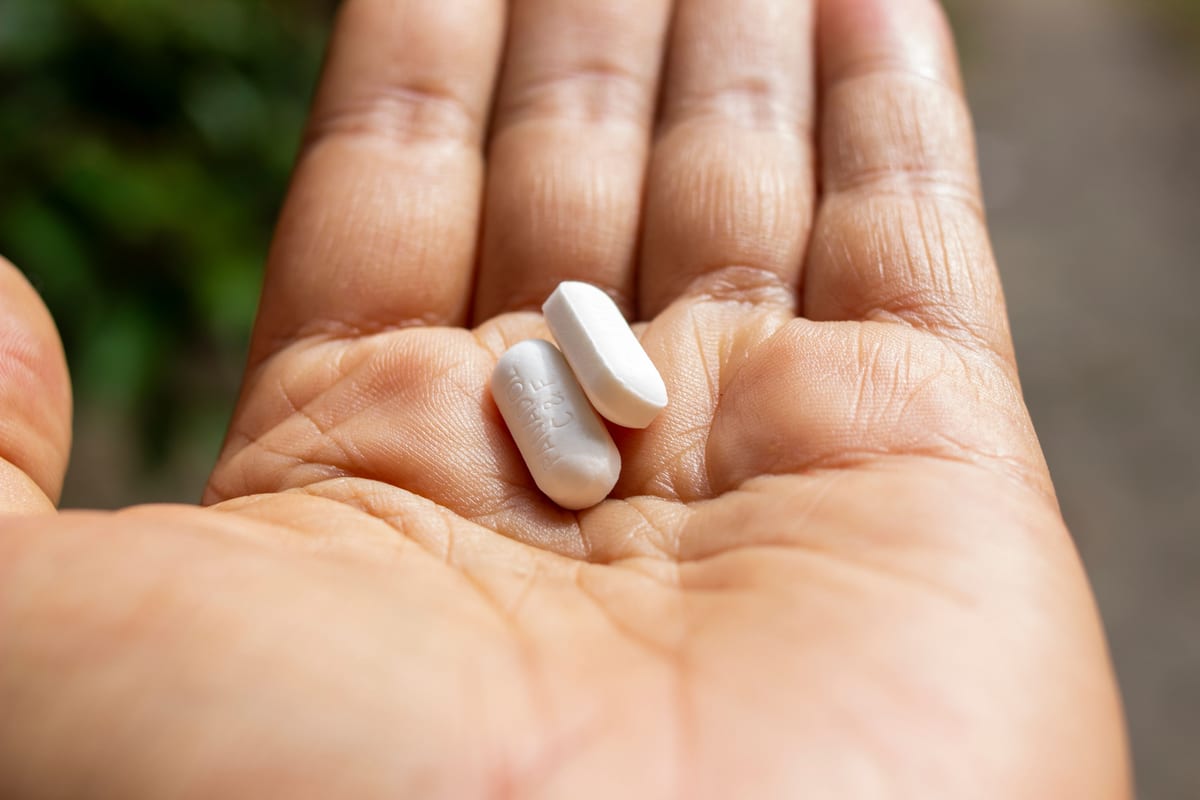
The medical treatment of small intestinal bacterial overgrowth relies entirely on prescription antibiotics to reduce excessive bacterial populations in the small intestine. Unlike standard antibiotic therapy, which aims to completely eradicate an infection from the body, treating this condition involves lowering the number of microbes back to normal levels. Because the overgrowth consists of everyday digestive bacteria that have multiplied in the wrong location, physicians use specific antibiotics to lower their numbers in the small intestine while protecting the healthy bacteria residing in the large intestine. Achieving this balance requires matching specific drugs to the type of gas the microbes produce, following precise daily regimens, and managing known side effects.
The Mechanism of Gut-Specific Antibiotics
The most heavily researched and prescribed antibiotic for this condition is rifaximin1. Rifaximin belongs to the rifamycin family of antibiotics and works by binding to a specific enzyme in the bacteria called the beta-subunit of RNA polymerase3. By attaching to this enzyme, the drug physically blocks the bacteria from creating RNA, which stops them from building proteins and multiplying4.
Rifaximin possesses unique pharmacokinetics (how a drug moves through the body) that make it highly suited for intestinal conditions. When a patient swallows the pill, less than 0.4 percent of the medication is absorbed into the bloodstream6. Instead of traveling throughout the body, the drug remains entirely inside the digestive tract. This allows massive concentrations of the medication—up to 8,000 micrograms per gram of stool—to reach the bacteria directly without causing body-wide toxicity7.
The drug also features a specific chemical structure that makes it highly soluble in bile acids6. Bile acids are digestive fluids secreted by the liver into the small intestine to break down fats. Because rifaximin dissolves easily in bile, it becomes highly active exactly in the small intestine, which is where the bacterial overgrowth is located6. As digested food and the medication continue moving down into the large intestine (the colon), the body reabsorbs the bile acids. Without the bile acids present, the rifaximin turns back into a solid, inactive crystal form5. This natural delivery system allows the drug to aggressively treat the small intestine while leaving the large intestine’s healthy microbiome almost completely undisturbed5.
Beyond killing bacteria, rifaximin produces direct anti-inflammatory effects on the gut lining. The drug acts as an agonist (an activator) for a cellular switch called the pregnane X receptor, or PXR3. When activated by rifaximin, the PXR switch reduces the production of inflammatory signals in the tissue12. It also increases the expression of zonula occludens (proteins that seal the gaps between cells), which tightens the intestinal barrier and prevents a “leaky gut”13. This allows the intestinal lining to heal its physical structure while the bacterial numbers fall.
Regimens for Hydrogen-Dominant Overgrowth
Bacteria in the gut ferment food and produce different types of gases. The choice of prescription antibiotic depends entirely on which gas is detected during a patient’s diagnostic testing.
Hydrogen gas is produced by normal bacteria fermenting carbohydrates. For these cases, rifaximin used by itself is the standard, first-line treatment1. Clinical data show that a standard course of rifaximin eliminates the overgrowth in approximately 60 percent to 73 percent of hydrogen-dominant cases2.
Recent clinical studies demonstrate that taking a specific type of soluble fiber alongside the antibiotic improves the treatment’s success rate. Partially hydrolyzed guar gum (a water-soluble prebiotic fiber) is frequently prescribed in combination with rifaximin15. Providing this fiber feeds the bacteria, keeping them in an active replication phase. Because antibiotics target bacteria most effectively when they are actively multiplying, feeding them counterintuitively makes them more vulnerable to the rifaximin18. In clinical trials, combining rifaximin with partially hydrolyzed guar gum increased the rate of successful bacterial elimination from 62 percent to over 85 percent17.
Regimens for Methane-Dominant Overgrowth
Methane-predominant overgrowth requires a different pharmacological approach. Methane is not produced by standard bacteria, but rather by a completely different class of single-celled organisms called archaea. The most common archaeon in the human digestive tract is Methanobrevibacter smithii20.
Archaea are biologically distinct from bacteria. Most notably, they build their cell walls out of a substance called pseudomurein, rather than the standard material (peptidoglycan) found in bacterial cell walls22. Common antibiotics like penicillin are designed to break down standard bacterial cell walls, making them completely useless against archaea22.
Because rifaximin alone struggles to eliminate these methane-producing archaea, gastroenterologists combine it with a second prescription antibiotic, typically neomycin or metronidazole1. Neomycin and metronidazole can penetrate the archaea and disrupt their internal DNA and protein synthesis. Clinical trials show that combining one of these secondary drugs with rifaximin produces much higher eradication rates for methane overgrowth than using any single drug alone15.
| Antibiotic Agent | Target Gas Profile | Standard Adult Dosage | Typical Duration |
|---|---|---|---|
| Rifaximin | Hydrogen | 550 mg three times daily | 10 to 14 days |
| Neomycin | Methane (used with rifaximin) | 500 mg two times daily | 10 to 14 days |
| Metronidazole | Methane (used with rifaximin) | 250 mg three times daily | 10 to 14 days |
A third gas variant involves hydrogen sulfide. While research on this specific variant is still developing, doctors generally use a combination of standard antibiotics along with bismuth (a heavy metal mineral with antibacterial properties) to target the bacteria producing the sulfur gas16.
Alternative Systemic Antibiotics
If rifaximin and neomycin fail to resolve the overgrowth, or if patients cannot access them due to prescription costs, physicians prescribe alternative systemic antibiotics. Systemic absorption means the drug enters the bloodstream and travels throughout the entire body. These alternatives include ciprofloxacin, amoxicillin-clavulanic acid, tetracycline, doxycycline, and trimethoprim-sulfamethoxazole26.
While these medications successfully reduce bacterial numbers in the small intestine, they carry a distinct disadvantage. Because they travel through the bloodstream and remain active in water, they affect the large intestine significantly more than targeted therapies like rifaximin7. This widespread activity increases the risk of destroying healthy bacterial populations in the colon and causing secondary digestive issues.
Side Effects and Patient Safety Profiles
Because the treatment involves altering the gut’s microbial balance and using heavy medications, patients must monitor for specific side effects associated with each distinct drug.
Rifaximin is broadly tolerated because of its lack of systemic absorption7. The most common side effects are strictly localized to the digestive tract and include mild nausea, temporary bloating, dizziness, and mild headaches15. Some patients notice their urine turning a pink or reddish color, which is a harmless chemical reaction to the drug passing through the body32. While it rarely causes severe issues, patients are advised to monitor for extreme, watery diarrhea, which can indicate that a secondary opportunistic infection has taken hold in the colon31.
Neomycin carries a heavier risk profile because it does absorb into the body and can cause systemic tissue damage. The most prominent concern with neomycin is ototoxicity (ear poisoning or damage)15. This damage manifests as permanent hearing loss or tinnitus (ringing in the ears)34. Patients with preexisting ear conditions or kidney problems are medically advised to avoid neomycin entirely, as the drug can accumulate in the blood and cause further damage to the kidneys and auditory nerves15. During the treatment period, neomycin also frequently causes loose stools or diarrhea15.
Metronidazole, frequently used as a safer alternative to neomycin for methane cases, presents its own side effects. It commonly causes a distinct metallic taste in the mouth and mild to moderate nausea15. Patients taking metronidazole must strictly avoid consuming any alcohol. Mixing metronidazole with alcohol causes a severe chemical reaction resulting in intense vomiting, stomach cramps, and severe headaches15.
Treatment Cycles and Limitations
While prescription antibiotics rapidly reduce excessive bacterial populations, they are not a standalone cure for the condition15. Antibiotics kill the overgrowth but do not repair the underlying structural or mechanical problems that allowed the bacteria to accumulate in the first place. These root causes often include impaired gut motility (the natural squeezing movement of the digestive tract that pushes food forward) or a lack of stomach acid15.
Because the mechanical root cause remains after the antibiotic medication is finished, relapse is frequent. Clinical studies indicate that up to 40 percent of patients experience a recurrence of the bacterial overgrowth and its symptoms within nine months of finishing a successful round of antibiotics15.
To manage this high recurrence rate, gastroenterologists plan for multiple, spaced-out cycles of treatment. Patients generally wait two to four weeks after finishing their 14-day prescription to retest their gas levels15. If the bacterial gas levels remain high, or if physical symptoms return months later, the 10-to-14-day antibiotic cycle is simply repeated15. Some complex or stubborn cases require two to five separate treatment rounds to fully clear the small intestine of the excess bacteria26.
Works Cited & Scientific References
35
▼
- Small Intestinal Bacterial Overgrowth - StatPearls - NCBI Bookshelf - NIH
- Treatment of Small Intestinal Bacterial Overgrowth (SIBO) in Gastrointestinal, Hepatic, Endocrine, Neurological, and Postoperative Diseases: A Comprehensive Narrative Review - MDPI
- Novel therapeutic effects of rifaximin in combination with methylprednisolone for LPS-induced oxidative stress and inflammation in mice: An in vivo study - PMC
- Rifaximin - Wikipedia
- The potential for development of clinically relevant microbial resistance to rifaximin-α: a narrative review - ASM Journals
- Bile acids improve the antimicrobial effect of rifaximin - PubMed - NIH
- Profile of rifaximin and its potential in the treatment of irritable bowel syndrome
- Rifaximin: A Unique Gastrointestinal-Selective Antibiotic for Enteric Diseases - PMC - NIH
- Bile Acids Improve the Antimicrobial Effect of Rifaximin - PMC
- Rifaximin: An Antibiotic with Important Biologic Effects | Bentham Science
- The role of rifaximin in modulating gut inflammation via the PXR/NF-κB... - ResearchGate
- Pregnane X Receptor Activation Attenuates Inflammation-Associated Intestinal Epithelial Barrier Dysfunction by Inhibiting Cytokine-Induced Myosin Light-Chain Kinase Expression and c-Jun N-Terminal Kinase 1/2 Activation - PMC
- Biochemical Modulators of Tight Junctions (TJs): Occludin, Claudin-2 and Zonulin as Biomarkers of Intestinal Barrier Leakage in the Diagnosis and Assessment of Inflammatory Bowel Disease Progression - PMC
- Probiotics mixture reinforces barrier function to ameliorate necrotizing enterocolitis by regulating PXR-JNK pathway - PMC
- Comprehensive Guide to SIBO Treatment Antibiotics and Recovery - beometry
- Exploring effectiveness of Metronidazole, Bismuth, and Rifaximin in treating small intestinal bacterial overgrowth and irritable bowel syndrome: A systematic review - PMC
- Clinical trial: the combination of rifaximin with... : Alimentary Pharmacology & Therapeutics - Ovid
- Treating Small Intestinal Bacterial Overgrowth (SIBO) | BBDNutrition
- Clinical trial: The combination of rifaximin with partially hydrolysed guar gum is more effective than rifaximin alone in eradicating small intestinal bacterial overgrowth | Request PDF - ResearchGate
- Small intestinal bacterial overgrowth and intestinal methanogen overgrowth in gastrointestinal malignancies - PMC
- SIBO and the Microbiome: What Gut Testing Can (and Can't) Reveal - GutID
- Isolation and Antimicrobial Susceptibility Testing of Fecal Strains of the Archaeon Methanobrevibacter smithii - ResearchGate
- Pseudomurein: The Archaeal Cell Wall's Unique Blueprint | Bohrium
- (PDF) Cell Envelopes of Methanogens - ResearchGate
- A Combination of Rifaximin and Neomycin Is Most Effective in Treating Irritable Bowel Syndrome Patients With Methane on Lactulose Breath Test | Request PDF - ResearchGate
- SIBO Antibiotics Treatment: Rifaximin (Xifaxan), Neomycin & More | SIBOinfo
- Small Intestinal Bacterial Overgrowth (SIBO) - Gastroenterology - Merck Manuals
- ACG Clinical Guideline: Small Intestinal Bacterial Overgrowth | Request PDF
- Low-Cost Rifaximin (Xifaxan® generic) for IBS-D, Hepatic Encephalopath - MedsPartner
- Rifaximin - StatPearls - NCBI Bookshelf - NIH
- Rifaximin (Targaxan®) | CUH - Addenbrooke's Hospital
- Rifaximin for liver problems - Targaxan. Refaximin side effects - Patient.info
- TARGAXAN 550mg film-coated tablets - Medicines.ie
- Sibo treatment Rifaxamin and Neomycin - Mayo Clinic Connect
- Ototoxicity: Symptoms, Causes & Treatment - Cleveland Clinic
Topics & Tags:
Continue Learning
Related SIBO Guides