15 min reading time
Treating SIBO with prebiotics
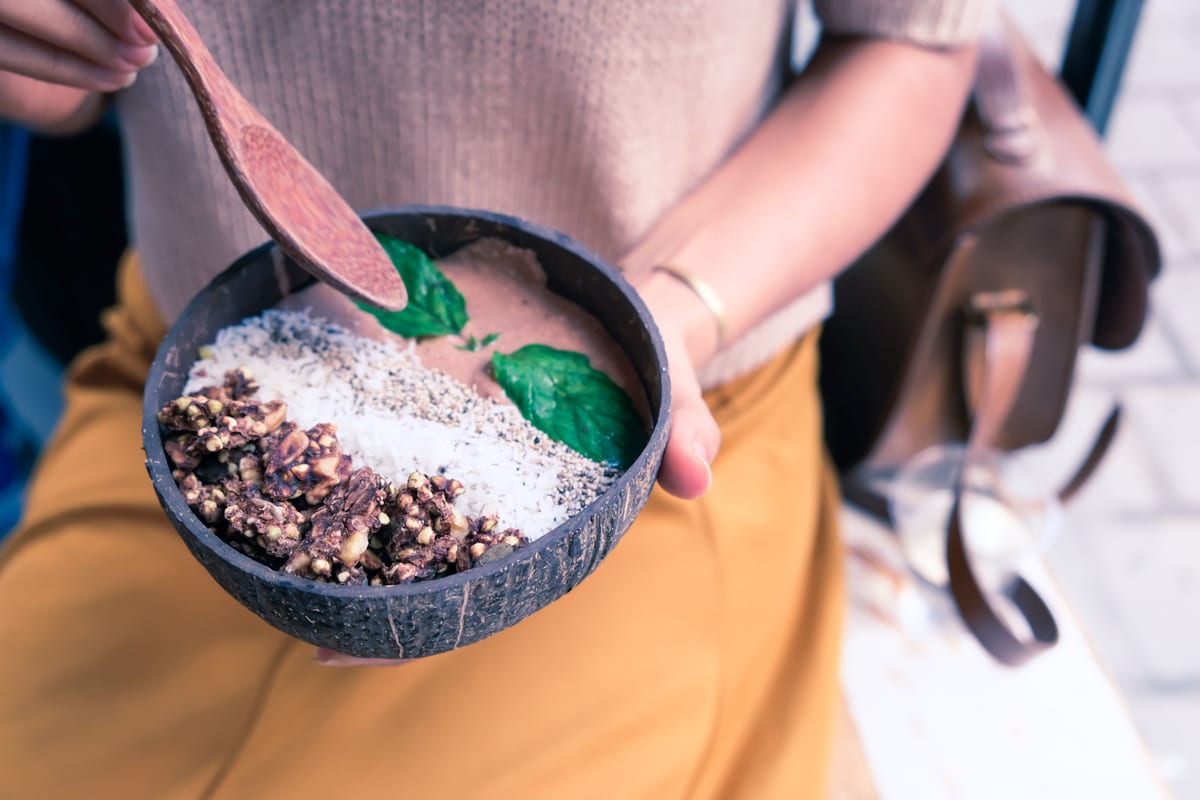
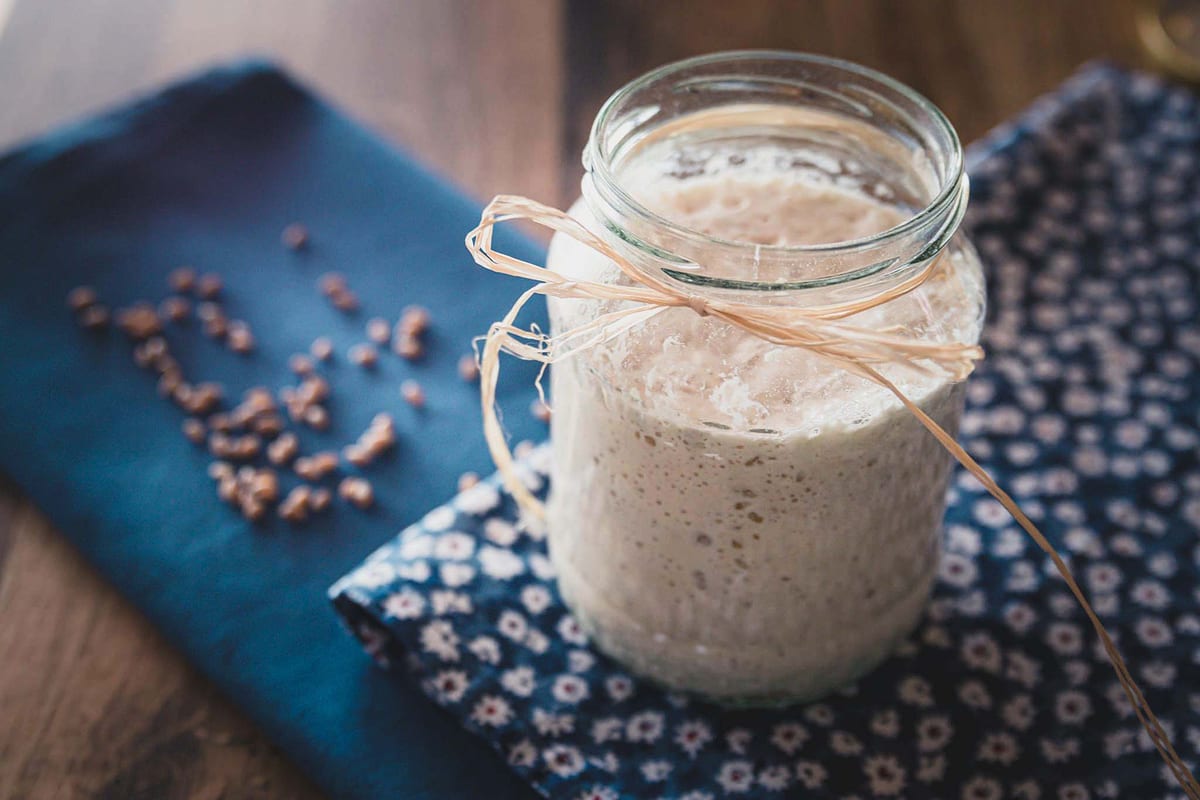
Prebiotics are specific types of dietary carbohydrates and fibers that the human body cannot digest. When a person eats prebiotics, these fibers travel through the stomach and the small intestine without breaking down. They eventually reach the large intestine. The large intestine holds the majority of the bacteria in the human digestive system. These beneficial bacteria consume the prebiotic fibers through a process called fermentation. Prebiotics are the primary food source for a healthy gut microbiome1.
Small intestinal bacterial overgrowth is a condition where too many bacteria, or the wrong types of bacteria, gather in the small intestine3. Treating this condition with prebiotics requires careful planning. If a person with this overgrowth eats the wrong type of prebiotic, the misplaced bacteria in the small intestine eat the fiber too early4. The bacteria ferment the fiber and release large amounts of gas4. Because the small intestine is narrow, this gas causes severe bloating, pain, and changes in bowel habits4.
Understanding how to treat the overgrowth with prebiotics means understanding the different types of fibers, how fast they ferment, and when to use them during the recovery process.
Fermentation speed and fiber types
The most important detail to keep in mind when selecting a prebiotic for this condition is the fermentation speed. Fermentation speed is the rate at which bacteria break down the fiber and produce gas1.
Fast-fermenting prebiotics have short chemical structures. Bacteria break them apart easily and quickly. When a fast-fermenting prebiotic enters a small intestine filled with excess bacteria, the bacteria consume it almost immediately. This rapid consumption produces a large amount of gas in a very short time, usually within a few hours1. Fast-fermenting fibers fall under the category of FODMAPs7. FODMAP is an acronym for fermentable oligosaccharides, disaccharides, monosaccharides, and polyols7. Diets designed to manage the symptoms of bacterial overgrowth typically restrict these fast-fermenting fibers7.
Slow-fermenting prebiotics have long, complex chemical structures. Bacteria require much more time and effort to break them apart. Because they are harder to digest, slow-fermenting fibers travel further down the digestive tract before bacteria can fully consume them2. These fibers release gas gradually. This slow release often spreads the fermentation process into the large intestine, which is wider and built to handle gas1. Slow-fermenting prebiotics are much easier for people with bacterial overgrowth to tolerate1.
Partially hydrolyzed guar gum
Partially hydrolyzed guar gum is a water-soluble dietary fiber made from the guar bean9. Manufacturers use enzymes to break down the natural guar gum partially. This process allows the fiber to dissolve in water without turning into a thick gel11.
This specific fiber ferments slowly in the digestive tract1. It is a low-FODMAP fiber, meaning it does not create rapid gas spikes in the small intestine11. Partially hydrolyzed guar gum has a specific and well-researched role in the active treatment phase of small intestinal bacterial overgrowth. Medical professionals often use this prebiotic alongside antibiotic treatments to improve the chances of clearing the bacteria.
A clinical trial conducted in 2010 by Manuele Furnari and colleagues tested this exact approach12. The study included 77 patients who had small intestinal bacterial overgrowth. The researchers divided the patients into two groups. The first group took 1200 milligrams of the antibiotic rifaximin every day for 10 days. The second group took the same dose of rifaximin, and they also took 5 grams of partially hydrolyzed guar gum every day for 10 days12.
The researchers measured how many patients successfully cleared the overgrowth. In the group that only took the antibiotic, the eradication rate was 62.1 percent. In the group that took the antibiotic and the partially hydrolyzed guar gum, the eradication rate was 87.1 percent11.
The success of this combination is directly related to how bacteria behave. When people have digestive symptoms, they often eat restrictive diets that lack fermentable fibers. Without a food source, gut bacteria can enter a dormant state to survive13. Antibiotics target and kill active, dividing bacteria much more effectively than dormant bacteria. Taking 5 grams of partially hydrolyzed guar gum provides a steady, slow-fermenting food source. This prebiotic keeps the bacteria active and eating, which makes them highly vulnerable to the antibiotic medication13.
Acacia fiber
Acacia fiber is a hardened sap collected from Acacia trees in Africa2. It is also known as gum arabic. Acacia is a complex, soluble fiber that ferments very slowly in the digestive system2.
The human small intestine does not have the enzymes needed to break the chemical bonds in acacia fiber. The fiber passes through the stomach and small intestine mostly intact2. It reaches the large intestine, where it feeds the resident bacteria. Acacia fiber has a strong bifidogenic effect. This means it specifically feeds and increases the populations of Bifidobacteria and Lactobacilli, two very important groups of beneficial bacteria2.
In a study of healthy adults, researchers tested different daily amounts of acacia gum for four weeks. They found that taking 10 grams of acacia fiber per day significantly increased the levels of Bifidobacteria and Lactobacilli2. Because acacia ferments gradually across the entire length of the large intestine, it does not produce large, localized pockets of gas2. This makes it a very gentle prebiotic. People experience much less abdominal cramping and flatulence with acacia compared to fast-fermenting fibers2.
For a person recovering from small intestinal bacterial overgrowth, acacia fiber is a tool to rebuild the gut microbiome. After a person takes antibiotics to clear the small intestine, their large intestine also loses beneficial bacteria. Rebuilding those bacteria is necessary for overall health. Practitioners often use acacia fiber during the recovery phase because it feeds the good bacteria in the colon without triggering gas symptoms in the small intestine2.
Human milk oligosaccharides and 2’-fucosyllactose
Human milk oligosaccharides are complex carbohydrates found in human breast milk15. The most common type of these carbohydrates is 2’-fucosyllactose, often abbreviated as 2’-FL16. Today, companies produce 2’-FL through laboratory fermentation processes, making it available as a prebiotic supplement for adults16.
Like acacia and partially hydrolyzed guar gum, 2’-FL resists digestion in the stomach and small intestine16. It is a highly selective prebiotic. It specifically feeds Bifidobacteria16. However, 2’-FL has a unique physical shape that provides an extra benefit for people dealing with bacterial overgrowth and intestinal damage.
The 2’-FL molecule acts as a decoy receptor for harmful bacteria16. Many disease-causing bacteria create an infection by grabbing onto the cells that line the intestinal wall. The physical shape of 2’-FL looks almost exactly like the receptors on the human intestinal wall16. When a person consumes 2’-FL, the harmful bacteria and toxins bind to the prebiotic fiber instead of the human tissue18. The body then flushes the trapped pathogens out during normal bowel movements.
Bacterial overgrowth often damages the lining of the small intestine. This damage creates gaps between the intestinal cells, a condition commonly called leaky gut18. When beneficial bacteria ferment 2’-FL, they produce substances that help accelerate the formation of tight junctions16. Tight junctions are the protein structures that seal the gaps between intestinal cells. Because 2’-FL helps repair the intestinal barrier and does not cause rapid gas production, it is a very useful prebiotic for people with sensitive digestive systems18.
Inulin and fructooligosaccharides
Inulin and fructooligosaccharides are very common prebiotics. They are naturally present in many foods, including chicory root, garlic, onions, and Jerusalem artichokes18. Many companies also add them to commercial fiber supplements and processed foods20. These fibers are excellent at feeding the gut microbiome in a healthy person, but they cause severe problems for a person with active bacterial overgrowth.
Inulin and fructooligosaccharides are fast-fermenting fibers1. They are classified as high-FODMAP carbohydrates8. When a person with bacterial overgrowth eats inulin, the bacteria in the small intestine break it down immediately4. The bacteria produce a large volume of gas in the narrow small intestine within two to six hours1. This fast gas production causes the sudden, painful bloating associated with a symptom flare-up.
Because inulin feeds bacteria so quickly, doctors actually use it as a testing tool. During a hydrogen breath test, a doctor gives the patient a specific dose of inulin or another fermentable sugar22. As the bacteria eat the inulin, they release hydrogen gas. The gas moves into the blood, travels to the lungs, and the patient breathes it out. By measuring the gas in the breath, the doctor can see how many bacteria are present and where they are located22.
During the active phase of the overgrowth, patients generally avoid inulin and fructooligosaccharides entirely7. However, these prebiotics still have a place in treatment after the overgrowth is gone. Inulin is highly effective at increasing Bifidobacteria23. A clinical trial testing agave inulin found that daily doses of 5 grams or 7.5 grams increased Bifidobacteria levels in healthy adults by three to four times23.
Some treatment plans use fructooligosaccharides to prevent the overgrowth from coming back. A study by Khalighi and colleagues tested this approach. They treated 30 patients with antibiotics for three weeks to clear the overgrowth24. After the antibiotics, they gave the patients a synbiotic supplement. A synbiotic is a combination of a prebiotic and a probiotic. The supplement contained the bacteria Bacillus coagulans and fructooligosaccharides24. The patients took this supplement for 15 days out of each month for six months. The patients who took the synbiotic with the fructooligosaccharides showed significant reductions in pain and bloating compared to the control group24. This study demonstrates that fast-fermenting prebiotics can be helpful, but only after the primary overgrowth is eradicated.
Lactulose and galactooligosaccharides
Lactulose is a synthetic sugar. At high doses, doctors prescribe it as a laxative to treat severe constipation. However, at very low doses, lactulose acts as a prebiotic25. Gut bacteria ferment low doses of lactulose, which stimulates the growth of health-promoting bacteria25. Like inulin, lactulose ferments very quickly. Doctors frequently use lactulose as the primary testing sugar for hydrogen and methane breath tests to diagnose bacterial overgrowth26. Because it causes rapid gas production, patients with active overgrowth should avoid lactulose as a daily prebiotic.
Galactooligosaccharides, often referred to as GOS, are another type of prebiotic fiber27. They have a chemical structure similar to the sugars found in legumes and beans8. Galactooligosaccharides are highly effective at stimulating the growth of Bifidobacteria27. However, they are also part of the FODMAP family, making them fast-fermenting fibers7. Practitioners may use galactooligosaccharides during the recovery phase to rebuild the microbiome, but they introduce them very slowly to ensure the patient does not experience small intestine bloating28.
Prebiotic comparison chart
The table below outlines the different prebiotics, their fermentation speeds, their FODMAP status, and how they are used when treating small intestinal bacterial overgrowth.
| Prebiotic Type | Fermentation Speed | FODMAP Status | Use in Treatment |
|---|---|---|---|
| Partially hydrolyzed guar gum | Slow | Low-FODMAP | Taken at the same time as antibiotics to improve the eradication rate. |
| Acacia fiber | Slow | Low-FODMAP | Taken during recovery to rebuild Bifidobacteria without causing gas. |
| 2'-fucosyllactose (2'-FL) | Slow | Low-FODMAP | Taken during recovery to feed beneficial bacteria and repair the gut lining. |
| Inulin | Fast | High-FODMAP | Avoided during active overgrowth. Reintroduced slowly after recovery. |
| Fructooligosaccharides | Fast | High-FODMAP | Avoided during active overgrowth. Used in post-treatment synbiotics to prevent relapse. |
| Galactooligosaccharides | Fast | High-FODMAP | Avoided during active overgrowth. Reintroduced carefully to feed Bifidobacteria. |
Prebiotics and the production of specific gases
Treating small intestinal bacterial overgrowth with prebiotics requires knowing which gases the bacteria are producing. The overgrowth is not exactly the same in every person. The type of gas present changes how the digestive system behaves, and prebiotics provide the raw material for these gases.
When bacteria in the small intestine ferment prebiotics, they primarily produce hydrogen gas3. A high level of hydrogen gas usually causes diarrhea and rapid digestion3. If a person with high hydrogen levels eats a fast-fermenting prebiotic like inulin, the bacteria will turn that fiber directly into more hydrogen, which immediately worsens the diarrhea.
Some people have an overgrowth of archaea instead of regular bacteria. Archaea are single-celled organisms14. The most common archaea in the human gut is Methanobrevibacter smithii3. These archaea do not eat the prebiotic fibers directly. Instead, they eat the hydrogen gas that the other bacteria produce3. After they consume the hydrogen, the archaea release methane gas3.
Methane gas slows down the muscles in the intestinal wall3. Because the muscles stop moving normally, methane production almost always causes severe constipation3. Since the archaea need hydrogen to make methane, the type of prebiotic a person eats directly controls the methane levels. If a person eats slow-fermenting prebiotics like partially hydrolyzed guar gum or acacia, the regular bacteria produce hydrogen very slowly. This slow hydrogen production starves the archaea, which keeps the methane levels low and helps relieve the constipation.
A third type of gas is hydrogen sulfide. Certain bacteria, such as the Desulfovibrio species, create hydrogen sulfide during fermentation3. This gas smells like rotten eggs. It is very toxic to the cells that line the intestine and causes severe inflammation3. Feeding fast-fermenting prebiotics to hydrogen sulfide-producing bacteria can quickly damage the intestinal wall and cause body pain and fatigue3. Identifying the dominant gas helps dictate how slowly and carefully prebiotics must be introduced.
Short-chain fatty acids and repairing the gut
While prebiotics cause problems when they ferment in the small intestine, they are completely necessary for the health of the large intestine. When beneficial bacteria in the large intestine eat prebiotic fibers, they produce waste products called short-chain fatty acids2. The three main short-chain fatty acids are butyrate, acetate, and propionate2.
These short-chain fatty acids are chemical messengers and fuel sources. Butyrate is the primary source of energy for the cells that make up the lining of the colon16. The colon cells absorb the butyrate and use it to repair tissue damage and keep the intestinal wall strong16. Acetate travels into the bloodstream, where it helps lower inflammation and regulates appetite29. Propionate travels to the liver, where it helps manage cholesterol levels29.
People treating bacterial overgrowth often eat highly restrictive diets to control their bloating5. These diets remove most dietary fiber. Over time, the lack of fiber starves the beneficial bacteria in the large intestine30. When the bacteria starve, the production of short-chain fatty acids drops dramatically3. Without butyrate, the intestinal lining weakens. A weak intestinal lining leads to more inflammation, food intolerances, and a higher risk of the overgrowth returning3.
The goal of prebiotic therapy in SIBO treatment is to restore the production of these fatty acids without feeding the bacteria in the small intestine. Patients achieve this by using slow-fermenting prebiotics. Fibers like acacia gum and 2’-fucosyllactose bypass the small intestine and deliver fuel straight to the large intestine2. The bacteria in the large intestine turn those fibers into butyrate, which heals the structural damage caused by the overgrowth5.
The timing and phases of prebiotic treatment
Because prebiotics can both harm and heal a person with bacterial overgrowth, practitioners divide prebiotic treatment into specific phases. The timing depends entirely on the current state of the bacteria in the small intestine.
Phase one focuses on reducing the active overgrowth. During this phase, patients experience the highest level of symptoms. To stop the gas production, patients avoid all fast-fermenting prebiotics, including inulin, fructooligosaccharides, and galactooligosaccharides7. Patients follow a low-FODMAP or low-fermentation diet8. If the patient takes prescription antibiotics to clear the bacteria, this is the exact time to introduce partially hydrolyzed guar gum. Taking 5 grams of this slow-fermenting fiber every day alongside the antibiotic improves the medication’s ability to kill the bacteria12.
Phase two focuses on rebuilding the microbiome. This phase begins after the antibiotic or antimicrobial treatment is finished and the overgrowth is significantly reduced. The small intestine is clear, but the large intestine lacks beneficial bacteria due to the restricted diet and the medication5. During phase two, patients introduce very gentle, slow-fermenting prebiotics. Acacia fiber and 2’-fucosyllactose are ideal for this phase14. Patients start with very small doses and slowly increase the amount over several weeks. This gently rebuilds the Bifidobacteria populations and starts the production of healing short-chain fatty acids2.
Phase three focuses on long-term maintenance and returning to a normal diet. The digestive tract requires a wide variety of fibers to stay healthy. Once the intestinal lining heals and the inflammation stops, patients begin reintroducing fast-fermenting fibers7. The patient tests small amounts of foods containing inulin and fructooligosaccharides33. If the bacterial overgrowth is truly gone, the small intestine will not react to these fibers. The fibers will travel safely to the large intestine and support a diverse, healthy microbiome33.
Using prebiotics to prevent relapse
Small intestinal bacterial overgrowth has a high relapse rate. Research shows that up to 44 percent of patients experience a return of the overgrowth within nine months of their first treatment8. Killing the bacteria does not fix the physical problems that caused the bacteria to gather in the small intestine in the first place4.
The most common physical problem that leads to a relapse is slow intestinal motility. The digestive system has a built-in cleaning mechanism called the migrating motor complex3. The migrating motor complex is a series of muscle waves that sweep through the stomach and small intestine when a person is fasting between meals5. These waves push leftover food and bacteria down into the large intestine14. If the migrating motor complex is broken or slow, the bacteria are not swept away. They stay in the small intestine and begin to multiply again3.
Preventing a relapse requires keeping the migrating motor complex moving. Prebiotics play a direct role in this process. The short-chain fatty acids created by prebiotic fermentation help regulate the nerves and muscles of the digestive tract4. By consuming a daily dose of a well-tolerated prebiotic like acacia fiber, the patient ensures the colon produces the fatty acids needed to keep the intestinal muscles active2.
Maintaining a high population of Bifidobacteria through prebiotic feeding also lowers the pH level of the entire intestinal environment18. A lower, more acidic pH naturally prevents bad bacteria from growing and migrating upward35.
Treating this digestive condition with prebiotics requires exact timing and a clear understanding of fiber chemistry. Giving fast-fermenting fibers to an active overgrowth causes immediate pain and gas. However, using partially hydrolyzed guar gum to boost antibiotics, and using acacia fiber and 2’-fucosyllactose to rebuild the gut lining, creates a clear path to recovery. Managing the types of prebiotics consumed allows a person to clear the small intestine while providing the large intestine with the exact food it needs to stay healthy.
This is for informational purposes only. For medical advice or diagnosis, consult a professional.
Works Cited & Scientific References
36
▼
- Prebiotics and Bloating: What You Must Know Now - Wellbeing Nutrition
- Acacia Fiber Benefits: Gut Health, Weight Loss & Side Effects - BioPhysics Essentials
- What is SIBO? Symptoms, Causes and Treatment Guide
- Do I Have SIBO? Understanding the Clues Behind Your Bloating - EverBetter Medicine
- IBS and SIBO: Gut Microbiota, Pathophysiology, and Non-Pharmacological Interventions
- Probiotics and Prebiotics for SIBO: Helpful, Risky, or Both? An Evidence-Oriented Guide
- Food Guide for SIBO and a Sensitive Gut
- SIBO Diet 101: What You Should and Shouldn't Eat - Healthline
- Guar Gum, Partially Hydrolyzed Guar Gum, and Human Gut Health: A Narrative Review - PubMed
- Effect of Repeated Consumption of Partially Hydrolyzed Guar Gum on Fecal Characteristics and Gut Microbiota: A Randomized, Double-Blind, Placebo-Controlled, and Parallel-Group Clinical Trial - PubMed
- SIBO Ireland: Symptoms, Testing & Low-FODMAP Diet Guide - Probiotic.ie
- Clinical trial: the combination of rifaximin with partially hydrolysed guar gum is more effective than rifaximin alone in eradicating small intestinal bacterial overgrowth - PubMed
- Clinical trial: the combination of rifaximin with... : Alimentary Pharmacology & Therapeutics - Ovid
- Why Does SIBO Relapse and How to Prevent It - Bella Lindemann
- The role of 2'-FL in inflammation and its possible role in food allergy
- Science Review: 2'Fucosyllactose - Metagenics Institute
- FAQ - Layer Origin - HMO products
- How 2'-fucosyllactose can help with intestinal problems such as leaky gut and irritable bowel syndrome (DG235) - Arktis BioPharma
- Effect of inulin in the treatment of irritable bowel syndrome with constipation (Review) - PMC
- Immunomodulatory effects of inulin and its intestinal metabolites - PMC
- SIBO: Small Intestinal Bacterial Overgrowth - Cleveland Clinic
- Inulin is an ideal substrate for a hydrogen breath test to measure the orocaecal transit time - PubMed
- Agave Inulin Supplementation Affects the Fecal Microbiota of Healthy Adults Participating in a Randomized, Double-Blind, Placebo-Controlled, Crossover Trial - PubMed
- Probiotics, prebiotics & synbiotics in small intestinal bacterial overgrowth: Opening up a new therapeutic horizon! - PMC
- Low-Dose Lactulose as a Prebiotic for Improved Gut Health and Enhanced Mineral Absorption - PubMed
- Everything You Need to Know About SIBO: From Diagnosis to Treatment - Synlab
- The Potential Role of Human Milk Oligosaccharides in Irritable Bowel Syndrome - MDPI
- Episode 52: The History and Future of Promoting Gut Health from International Expert, Dr. Jason Hawrelak
- Why Filler-Free Probiotics Are Better for Gut Health - BioPhysics Essentials
- Dietary Modification for the Restoration of Gut Microbiome and Management of Symptoms in Irritable Bowel Syndrome - PMC
- Efficacy of an Irritable Bowel Syndrome Diet in the Treatment of Small Intestinal Bacterial Overgrowth: A Narrative Review - PMC
- The Essential Guide to the Low Fermentation Diet for Digestive Health | Performance Lab®
- 11 Best SIBO Diets (Denver-Friendly Guide) - Vitality Natural Medicine
- SIBO treatment: A clinician's guide to preventing relapse - Nerva
- The Ultimate Guide to Prebiotics - Nourishme Organics
- Obesity Is Inversely Related to Hydrogen-Producing Small Intestinal Bacterial Overgrowth in Non-Constipation Irritable Bowel Syndrome - :: JKMS :: Journal of Korean Medical Science
Topics & Tags:
Continue Learning
Related SIBO Guides