The SIBO Diet: What to Eat, What to Avoid and for How Long
On this page
In short: there is no single proven “SIBO diet”. Diet alone does not usually clear the overgrowth, but a short-term low-fermentation (low-FODMAPFODMAPs Fermentable oligo-, di- and monosaccharides and polyols: short-chain carbohydrates that are poorly absorbed and quickly fermented by gut microbes.) diet can ease bloating, gas and pain while you are treated12. The restrictive phase is meant to last about 4 to 6 weeks, followed by a gradual reintroduction of foods1. The one diet shown to clear SIBO on breath tests is the elemental diet, a liquid formula used for two to three weeks34.
Can diet cure SIBO?
For most people, no. The aim of a SIBO diet is to reduce the food available to the overgrown bacteria, which lowers fermentation, gas and symptoms1. It does not remove the bacteria or fix the reason they overgrew, which is why diet is normally combined with antibiotics or herbal antimicrobials. In a 2024 randomized trial, for example, both groups of patients followed a low-FODMAP diet alongside their antibiotic treatment5.
The research behind specific SIBO diets is thin. A 2022 review concluded that the benefit of the low-FODMAP diet, which was developed for irritable bowel syndrome, is “largely hypothetical” in SIBO and that a diet designed specifically for SIBO still needs to be tested2. Popular multi-phase protocols, such as the “bi-phasic” SIBO diet, have not been evaluated in published clinical trials.
Why fermentable carbohydrates cause symptoms
FODMAPs are short-chain carbohydrates that are poorly absorbed and quickly fermented: fermentable oligosaccharides (fructans and galactans), disaccharides (lactose), monosaccharides (fructose) and polyols (sugar alcohols)1. Normally most of them are absorbed or reach the colon. When bacteria have overgrown in the small intestine, they ferment these sugars before the body can absorb them, producing gas and drawing water into the bowel1.
This is also why people with SIBO often seem lactose or fructose intolerant. Bacteria in the small intestine ferment lactose before it is fully digested, which can even make a lactose breath test look positive when the real problem is the overgrowth1. Read more in our guide to dairy and SIBO.
Foods to limit during the restrictive phase
The table below lists the main high-FODMAP foods to limit during the first phase1. Small amounts may still be tolerated, because symptoms depend on the total amount eaten over a meal or a day1.
| Carbohydrate group | Found in | Examples to limit |
|---|---|---|
| Fructans | Wheat, some vegetables and legumes, inulin | Wheat bread, cookies and cereals; artichokes, asparagus, onions, garlic, leeks, lentils, chickpeas |
| Galactans | Legumes, cruciferous vegetables, nuts | Beans, chickpeas, soybeans, Brussels sprouts, cabbage, walnuts |
| Lactose | Milk and dairy products | Milk, yogurt, ice cream, custard, soft cheeses |
| Excess fructose | Some fruits and vegetables, honey, high-fructose corn syrup | Apples, cherries, mangoes, pears, watermelon, asparagus, honey, sweetened drinks |
| Polyols | Some fruits; "sugar-free" products | Apples, apricots, avocados, blackberries, nectarines, plums; sugar-free gum and sweets (sorbitol, mannitol, xylitol, maltitol) |
A simpler alternative used in practice is “low-fermentation eating”: cutting out the most common triggers such as dairy, high-fructose foods, beans, cauliflower, Brussels sprouts and sugar alcohols, rather than following the full FODMAP list1.
Foods that are usually easier to tolerate
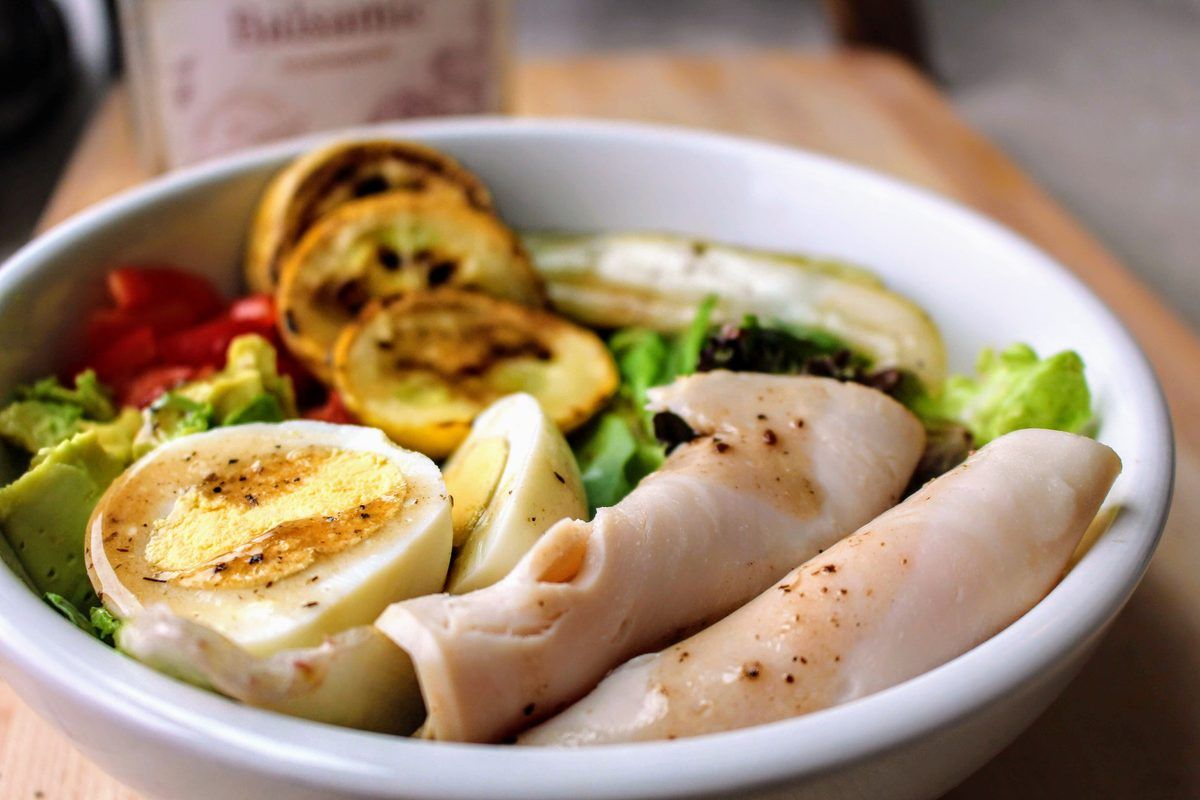
The review recommends building meals around low-fermentation fruits and vegetables, such as citrus fruits, berries, leafy greens, root vegetables and zucchini, so the diet stays balanced while the high-FODMAP foods are reduced1. Our low-FODMAP diet guide covers the diet’s phases and trade-offs in more detail.
How long to follow it: the three phases
Low-fermentation diets are designed to be temporary and have three phases1:
- Restriction: high-FODMAP foods are limited for about 4 to 6 weeks.
- Reintroduction: each FODMAP group is added back one at a time to find out which ones, and how much, cause symptoms.
- Personalization: a long-term diet that avoids only your own trigger foods.
When people search for “SIBO diet phase 1”, this restriction phase is usually what they mean. Moving on to reintroduction matters. FODMAPs act as food for beneficial gut bacteria such as Bifidobacterium and Akkermansia muciniphila, and staying on a strict diet for too long may make the microbial imbalance worse and risks nutritional gaps12. For that reason, the review recommends working with a dietitian who knows the condition1.
If you have methane-dominant SIBO
People with methane-dominant overgrowth, called intestinal methanogen overgrowth (IMO), are more likely to be constipated. Because many high-fiber foods are also high in FODMAPs, it is important to keep fiber intake up by choosing low-fermentation fruits and vegetables, so the diet does not make constipation worse1.
Meal spacing and the migrating motor complex
Between meals, the small intestine is swept clean by the migrating motor complex, a wave of contractions that only runs when you are not eating. Low-fermentation eating therefore also includes spacing meals at least 5 hours apart and avoiding eating overnight, while continuous grazing throughout the day may worsen bloating1.
The elemental diet: the only diet shown to clear SIBO
An elemental dietElemental diet A liquid diet of pre-digested nutrients (amino acids, simple sugars and easily absorbed fats). They are absorbed in the upper small intestine, which starves bacteria further down. replaces all food with a liquid formula of pre-digested nutrients that are absorbed high up in the small intestine, leaving almost nothing for the bacteria further down1. In a 2004 study of 93 patients, 80% had a normal breath test after 14 days on the diet, rising to 85% after 21 days, and those whose test normalized reported much greater symptom improvement3. A newer, better-tasting formula tested in 2025 was completed by all 30 participants; 73% normalized their breath test and 83% reported adequate symptom relief4.
The elemental diet is demanding and needs medical supervision. In the original study, some patients could not tolerate the formula1. See our full guide to the elemental diet.
Eating after treatment
Dietary changes to keep SIBO from returning have not been rigorously studied1. Based on evidence from irritable bowel syndrome, a low-fermentation diet with meal spacing may help, and fiber, prebiotic foods, polyphenol-rich foods and extra virgin olive oil may support gut motility and a healthy microbiome, although these still need to be tested in people with SIBO1. A typical Western diet, high in refined sugar, processed food and animal fat and low in plants, is linked to an unhealthy gut microbiome1. Our guide to eating after SIBO treatment covers reintroduction in more detail.
Because SIBO itself can cause malabsorption, weight loss and malnutrition, nutritional support is part of treatment, and any restrictive diet should be planned so it does not add to those risks6.
Works Cited & Scientific References
6
▼
- Nutritional approach to small intestinal bacterial overgrowth: a narrative review - Nutrients 2025 (PMC)
- Efficacy of an irritable bowel syndrome diet in the treatment of small intestinal bacterial overgrowth: a narrative review - Nutrients 2022 (PMC)
- A 14-day elemental diet is highly effective in normalizing the lactulose breath test - Dig Dis Sci 2004 (PubMed)
- Effect, tolerability, and safety of exclusive palatable elemental diet in patients with intestinal microbial overgrowth - Clin Gastroenterol Hepatol 2025 (PubMed)
- Do herbal supplements and probiotics complement antibiotics and diet in the management of SIBO? A randomized clinical trial - Nutrients 2024 (PMC)
- Small intestinal bacterial overgrowth syndrome - World J Gastroenterol 2010 (PMC)
Topics & Tags: