Evidence-Based & Medically Referenced
Ketogenic Diet for SIBO: Carb Restriction vs. Fat Malabsorption
By Bacterial Overgrowth Editorial Team • • 10 min reading time
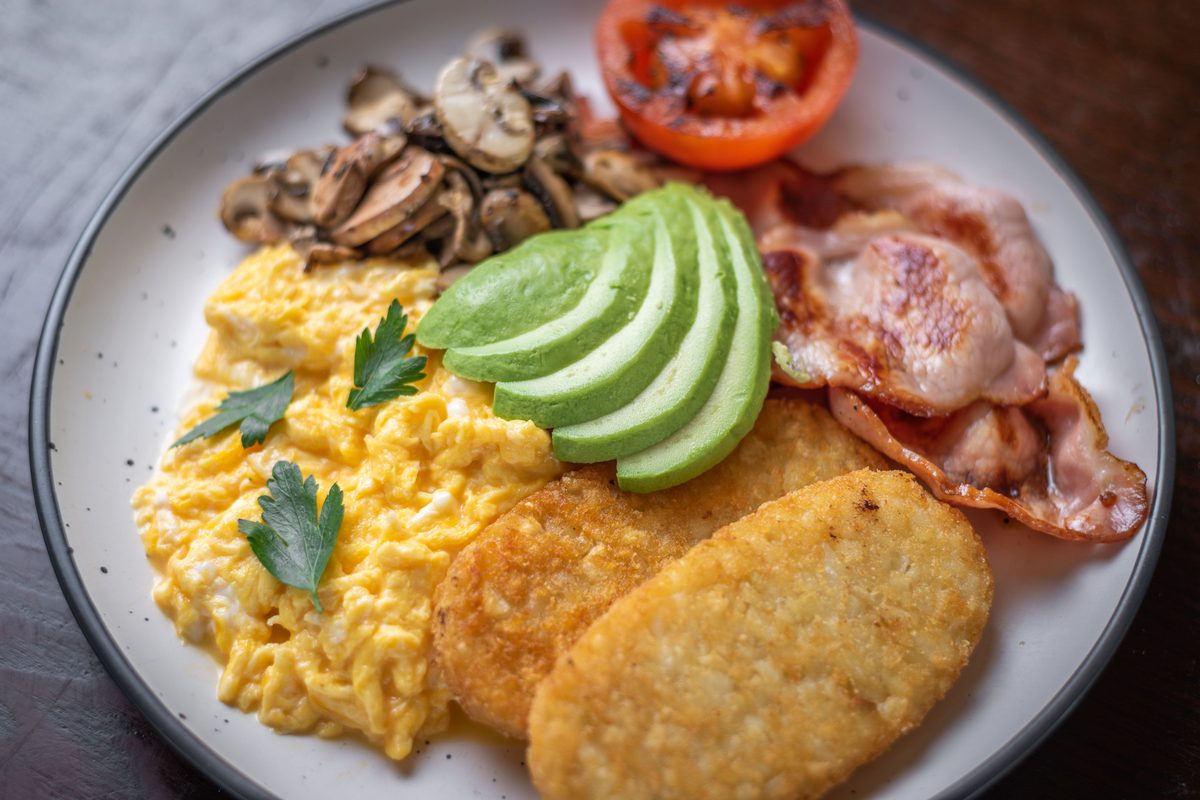
The ketogenic diet is a dietary approach defined by a very low intake of carbohydrates, a moderate intake of protein, and a high intake of fats1. Under normal dietary conditions, the human body uses carbohydrates as its primary energy source. When a person removes carbohydrates from their diet, the liver begins breaking down fat into molecules called ketone bodies, which the body uses for fuel instead1. Small intestinal bacterial overgrowth, known as SIBO, is a condition where an abnormally large number of bacteria populate the small intestine4. In a healthy digestive system, the vast majority of gut bacteria live in the large intestine. When they overgrow in the small intestine, they interfere with the normal digestion and absorption of food6.
Combining a ketogenic diet with SIBO creates a complex environment in the digestive tract. The diet removes the primary food source for many of the overgrowing bacteria, which can offer fast relief for specific digestive symptoms8. However, the high fat content and lack of dietary fiber change the production of bile, alter intestinal motility, and shift the balance of the gut microbiome in ways that can worsen other aspects of the condition3.
Symptom Relief Through Carbohydrate Restriction
The most immediate effect of a ketogenic diet on SIBO is a steep reduction in gas, bloating, and abdominal pain8. When people consume carbohydrates, particularly specific fermentable carbohydrates known as FODMAPs, the bacteria residing in the small intestine consume them6. The bacteria ferment these sugars rapidly and produce large amounts of gas as a byproduct5. This gas causes the intestinal walls to stretch, leading to physical distension, cramping, and other common SIBO symptoms6.
Because a ketogenic diet restricts almost all carbohydrates, it naturally removes the fermentable sugars that these bacteria rely on for energy13. This mechanism is highly similar to a strict low-FODMAP diet, which is a standard nutritional approach used to starve the bacteria of fermentable sugars9. Without carbohydrates to ferment, the bacteria produce significantly less gas. Many individuals experience a rapid decrease in abdominal distension shortly after adopting a high-fat, low-carbohydrate eating pattern8.
Recent clinical trials support this outcome. While strict liquid formulas like the elemental diet clear bacteria completely, a clinical study comparing dietary interventions found that a very low-carbohydrate diet resulted in a 71 percent response rate for improving symptoms after four weeks15. This was comparable to the 76 percent response rate of the standard low-FODMAP diet, demonstrating that carbohydrate restriction is highly effective at managing gas production in the short term15.
Anti-Inflammatory Properties of Ketone Bodies
Beyond starving the bacteria, the ketogenic diet physically changes the chemical environment of the gut through the production of ketone bodies. The primary ketone body produced by the liver, beta-hydroxybutyrate, has documented anti-inflammatory properties3. Chronic bacterial overgrowth causes low-grade inflammation in the lining of the small intestine, which can damage the cells and increase intestinal permeability, often referred to as leaky gut, which is closely linked to the root causes of gut barrier dysfunction11.
Beta-hydroxybutyrate blocks the NLRP3 inflammasome, a multi-protein complex inside cells that drives inflammatory signals throughout the body3. Furthermore, studies in both mice and humans demonstrate that ketogenic diets reduce the levels of intestinal pro-inflammatory Th17 cells1. Th17 cells are immune cells that activate in response to certain bacteria, and an overactive Th17 response damages the intestinal tissue1. By suppressing these immune cells and blocking inflammatory pathways, ketone bodies help reduce the physical swelling of the intestinal lining associated with SIBO3.
Bile Acid Deconjugation and Fat Malabsorption
While reducing carbohydrates stops gas production and inflammation, the high fat requirement of a ketogenic diet introduces a separate mechanical failure for people with SIBO. Digesting a large amount of dietary fat requires a steady supply of bile. The liver produces bile from cholesterol, stores it in the gallbladder, and releases it into the small intestine when fat is consumed21.
In a healthy system, bile acids act like a chemical detergent to dissolve fat so the intestinal walls can absorb it21. However, the excess bacteria present in SIBO disrupt this specific mechanism4. Certain gut microbes produce an enzyme called bile salt hydrolase23. This enzyme breaks apart the bile acids prematurely in a process called deconjugation4. Once the bile acids are deconjugated in the small intestine, they lose their detergent properties and can no longer dissolve fat effectively25.
When a person with SIBO consumes the high volume of fat required to maintain a ketogenic diet, their compromised bile cannot process the load13. This causes severe fat malabsorption. The undigested fat travels entirely through the digestive tract, resulting in oily, foul-smelling, and floating stools4. It also causes an influx of water into the colon, triggering sudden diarrhea8. Furthermore, because the fat is not absorbed, the body fails to absorb fat-soluble vitamins, specifically vitamins A, D, E, and K, leading to long-term nutritional deficiencies4.
The liver attempts to correct this by working harder to produce more bile to keep up with the high fat intake. This overproduction can cause nausea, stomach cramps, and a feeling of heavy pressure in the upper right abdomen13. This fluid shift and digestive distress are frequently experienced in the early stages of the diet, a period commonly referred to as the keto flu8.
High Animal Fat and Hydrogen Sulfide Production
The specific types of food consumed on a ketogenic diet also alter which bacteria survive and thrive in the gut. The diet often relies heavily on animal fats, such as butter, meat, and full-fat dairy. Eating large amounts of saturated animal fat shifts the liver’s production toward taurine-conjugated bile acids21.
Taurine is an amino acid that contains organic sulfur10. A specific gut microbe named Bilophila wadsworthia thrives in environments with high levels of sulfur-rich bile27. When a person consumes a high-fat animal-based diet, Bilophila wadsworthia populations expand rapidly because they use the taurine as their primary energy source10. This microbe extracts the sulfur from the bile and converts it into hydrogen sulfide gas10.
Hydrogen sulfide gas is toxic to the cells lining the colon, increases intestinal permeability, and drives severe inflammation27. In the context of SIBO, an overgrowth of Bilophila wadsworthia causes hydrogen sulfide SIBO31. This specific subtype of the condition is characterized by gas and stools that smell like rotten eggs, body aches, chronic fatigue, and persistent watery diarrhea22. Therefore, a ketogenic diet high in saturated animal fat can inadvertently feed sulfur-reducing bacteria and trigger a highly damaging form of overgrowth, even while starving the bacteria that rely on carbohydrates29.
Fiber, Gut Motility, and Methane Gas
A strict ketogenic diet eliminates most fruits, starchy vegetables, legumes, and whole grains. As a direct result, the diet is typically very low in dietary fiber3. Fiber is responsible for adding physical bulk to stool and pulling water into the intestines, which softens the stool and keeps bowel movements regular8. Without sufficient insoluble and soluble fiber, digestion slows down considerably, leading to hard, dry stools and severe constipation8.
The speed at which food moves through the digestive tract is called gut motility. Slow gut motility is one of the primary mechanical causes of SIBO26. The small intestine relies on a process called the migrating motor complex, a series of muscular waves that sweep food, bacteria, and debris through the digestive system34. When the intestines do not clear out this debris quickly, microbes have the time and space to settle and multiply34.
This slow-moving, constipated environment is highly favorable for a specific group of microorganisms called archaea, primarily Methanobrevibacter smithii35. Archaea are single-celled organisms that behave differently from standard bacteria. They are responsible for a condition known as intestinal methanogen overgrowth, commonly referred to as methane SIBO36. Unlike bacteria that ferment carbohydrates, these archaea consume the hydrogen gas produced by other microbes and convert it into methane gas34.
Methane gas actively paralyzes the muscles of the digestive tract, acting as a neuroregulatory molecule on the enteric nervous system to slow gut motility even further26. A low-fiber ketogenic diet triggers a compounding cycle for these patients. The lack of dietary fiber causes initial constipation and slows the migrating motor complex. The slow motility allows methane-producing archaea to multiply. The archaea then produce methane, which slows the gut down further, leading to chronic, severe constipation and continuous bloating34.
| SIBO Subtype | Primary Gas | Common Effect of a Ketogenic Diet | Mechanism of Action |
|---|---|---|---|
| Hydrogen SIBO | Hydrogen | Immediate symptom reduction | Low carbohydrate intake removes the fermentable food supply for hydrogen-producing bacteria, resulting in a rapid decrease in gas and bloating. |
| Methane SIBO | Methane | Worsening of constipation | Low fiber intake slows intestinal motility, creating a stagnant environment that impairs the migrating motor complex (MMC) and allows methane-producing archaea to multiply. |
| Hydrogen Sulfide SIBO | Hydrogen Sulfide | Increase in toxic gas production | High saturated animal fat intake stimulates sulfur-rich bile production, which directly feeds hydrogen sulfide-producing microbes like Bilophila wadsworthia. |
Targeted Suppression of Bifidobacterium
Beyond symptom management, the ketogenic diet fundamentally changes the physical structure and diversity of the gut microbiome. Research demonstrates that ketogenic diets alter the gut bacteria in a completely different manner than standard high-fat diets1.
The diet specifically suppresses the growth of Bifidobacterium, a genus of bacteria that provides extensive health benefits to the human host1. Bifidobacterium helps regulate the immune system, produces vitamins, and protects the gut from harmful pathogens40. Metagenomic sequencing of stool samples from individuals on a ketogenic diet shows that Bifidobacterium species, particularly Bifidobacterium adolescentis, decrease the most among all gut microbes1.
This reduction is not entirely due to the lack of dietary fiber. Laboratory experiments show that ketone bodies, specifically beta-hydroxybutyrate, selectively inhibit the growth of Bifidobacterium1. When ketone bodies enter the intestinal tract, they create an environment that is directly hostile to these specific bacteria. Extended adherence to the diet leads to a persistent reduction in their overall abundance39. A prolonged drop in Bifidobacterium populations leaves the gut ecosystem vulnerable to dysbiosis and increases the long-term risks of metabolic imbalances, including glucose intolerance39.
Short-Chain Fatty Acids and the Mucus Layer
The lack of complex carbohydrates and the resulting drop in bacterial diversity also limit the production of short-chain fatty acids39. When healthy bacteria ferment plant fibers, they produce short-chain fatty acids, primarily butyrate, acetate, and propionate20. Butyrate is the primary energy source for the cells lining the colon and helps maintain the physical barrier of the gut3. Because a ketogenic diet reduces total bacterial numbers and limits fermentable fiber, the overall fecal concentration of these protective fatty acids drops significantly39.
Without dietary fiber to consume, certain gut bacteria will seek alternative food sources to survive. The inner lining of the intestines is covered by a thick, protective mucus layer45. Specific bacteria, such as Akkermansia muciniphila, survive by eating the mucin proteins inside this mucus47. In a balanced gut, this localized feeding process stimulates the body to produce fresh mucus and renew tight junction proteins, keeping the gut barrier strong20. Studies show that the ketogenic diet increases the abundance of Akkermansia muciniphila in the gut20.
However, in a highly fiber-starved environment like a strict ketogenic diet, the increased population of mucus-eating bacteria can become problematic. Without plant fibers to consume, the bacteria consume the intestinal mucus faster than the human body can replace it3. This process erodes the protective mucus layer, exposing the delicate intestinal cells directly to pathogens and digestive acids. This erosion increases intestinal permeability, allowing bacteria and endotoxins to slip through the gut barrier and enter the bloodstream, which drives systemic inflammation51.
Adapting the Diet for Gut Health
The negative effects of the ketogenic diet on the microbiome and bowel regularity are heavily tied to the specific food choices made while carbohydrate-restricted. Standard ketogenic diets that rely exclusively on meat, high-fat dairy and butter, and cheese remove the prebiotic fibers necessary for maintaining bacterial diversity3.
When treating overlapping conditions like SIBO and irritable bowel syndrome, modifying the diet to include low-carbohydrate plant fibers mitigates some of the mechanical failures of the diet. Following structured meal spacing and food timing alongside low-carb plant fibers provides sustainable gut support to prevent SIBO relapse8. Soluble fiber forms a gentle gel in the digestive tract, drawing in water to soften stools and ease the constipation that drives methane SIBO8. Furthermore, these plant sources provide polyphenols that encourage the growth of beneficial gut species and offer an alternative fuel source for the bacteria, preventing them from consuming the intestinal mucus layer8.
Works Cited & Scientific References
52
▼
- Ketogenic diets alter the gut microbiome resulting in decreased
- The Ketogenic Diet and IBS — What the Research Says
- Is Keto Good for Gut Health? What the Science Says
- Small Intestinal Bacterial Overgrowth - StatPearls - NCBI Bookshelf
- Understanding SIBO and how HMBT can help - Bedfont Scientific Ltd.
- SIBO Treatment: 7 Proven Steps for Lasting Relief - GI Associates
- SIBO: Small Intestinal Bacterial Overgrowth - Cleveland Clinic
- Is Keto Diet Good for Gut Health? Facts and Risks
- Keto for IBS, Bloating & SIBO: What to Eat + What to Avoid
- How a gut bacterium uses diet to turn against us - Quadram Institute
- Nutritional Approach to Small Intestinal Bacterial Overgrowth - PMC
- Hydrogen SIBO - SIBO Academy
- Keto Diet for SIBO/IBS: Does it Really Work? - Gut Talk
- Keto for gut health and digestion - Science - LMNT
- Low-FODMAP, Low-Carb Diets May Beat Medical Treatment for IBS
- Is this IBD research being tried with IBS patients? : r/IBSResearch
- Low-FODMAP diet vs. low-carbohydrate diet vs. medication for IBS
- New research shows the keto diet, used to treat neurological and
- Ketogenic Diets Alter the Gut Microbiome Resulting in Decreased
- Ketogenic Diet and Gut Microbiota: Exploring New Perspectives on
- The Connection Between Bile Diet And Elevations In Bilophila And
- Small Intestinal Bacterial Overgrowth and Non-Alcoholic Fatty Liver
- Best Supplements for Fat/Bile Sensitive Digestion: Ox Bile, TUDCA
- Therapeutic Strategies to Modulate Gut Microbial Health - MDPI
- Dietary fiber-based regulation of bile salt hydrolase activity in the gut
- 10 Common Causes of Methane SIBO - Healthpath
- Bilophila wadsworthia - Microbiome Medicine
- Which Gut Bacteria Produce Hydrogen Sulfide?
- Bilophila wadsworthia - Infection, Detection and Natural Treatment
- Novel enzyme discovered in intestinal bacteria - ScienceDaily
- Anyone experience hydrogen sulfide overgrowth from keto diet?
- Hydrogen Sulfide SIBO Treatment & Natural Protocols (2025 Guide)
- Hydrogen Sulfide SIBO | Best Diet Approach - Dr. Heather Finley
- Methane SIBO - Nutrition and Vitality
- Methane SIBO Foods to Avoid - Halve Your Cake
- Methane-Producing Gut Bacteria - SIBO Academy
- Understanding and Treating Methane SIBO Naturally - Healthpath
- Ketogenic Diets Alter the Gut Microbiome Resulting in Decreased
- The ketogenic diet: its impact on human gut microbiota and potential
- The impact of very-low-calorie ketogenic diets on gut microbiota in
- Research progress of ketogenic diet regulating intestinal
- The gut microbiota changed by ketogenic diets contribute to glucose
- A SYSTEMATIC REVIEW COMPARING THE GUT MICROBIOME
- Ketogenic Diet and Microbiota: Friends or Enemies? - PMC
- Akkermansia Benefits: Gut Barrier Science and Human Evidence
- The Link Between Akkermansia Muciniphila and a Healthy Gut Barrier
- Health Effects and Therapeutic Potential of the Gut Microbe ... - MDPI
- The influence of Akkermansia muciniphila on intestinal barrier function
- Akkermansia Muciniphila — What It Is, Why It Matters and ... - IBS.ie
- Breaking down barriers: is intestinal mucus degradation by
- Unlocking the gut-liver axis: microbial contributions to the ... - Frontiers
- Diet-driven differential response of Akkermansia muciniphila ... - PMC
Topics & Tags:
Continue Learning
Related SIBO Guides