Evidence-Based & Medically Referenced
Sauerkraut and SIBO: Fermented Cabbage, Histamine & Lactic Acid
By Bacterial Overgrowth Editorial Team • • 17 min reading time
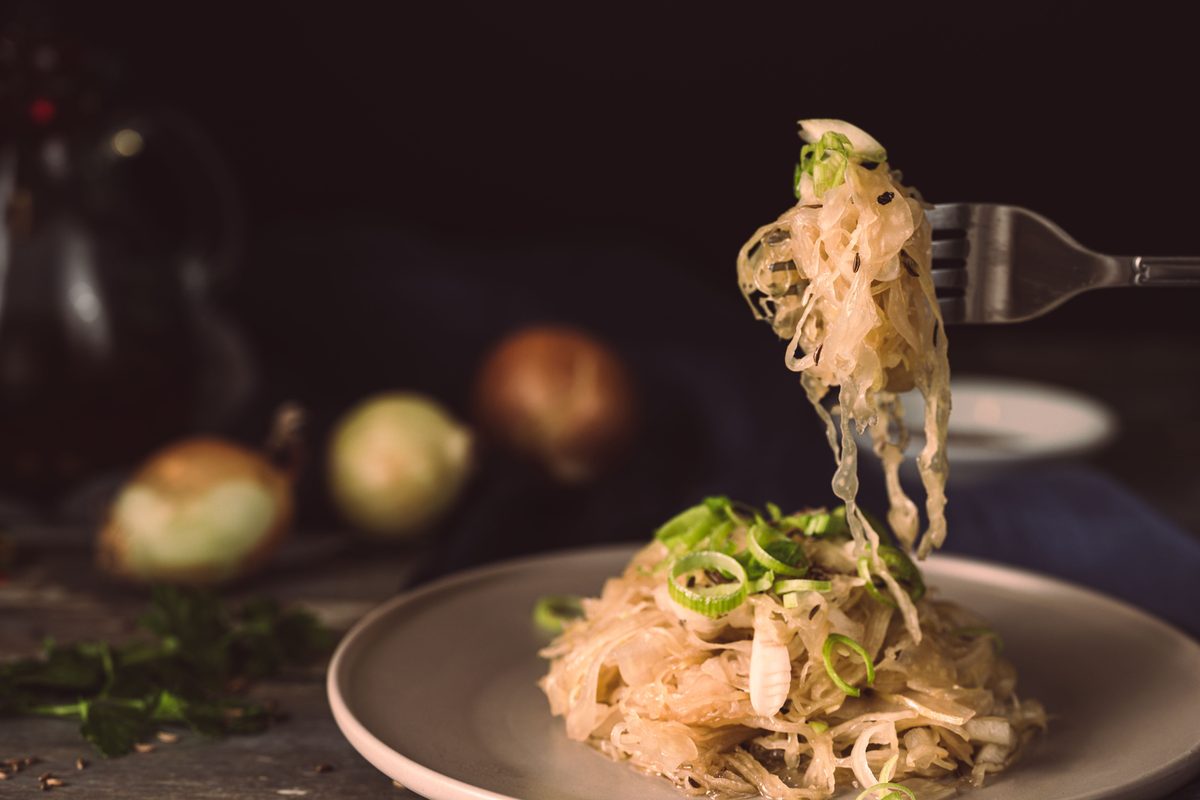
Fermented vegetables like sauerkraut are celebrated throughout modern and traditional nutrition for cultivating microbiome diversity, yet for patients battling Small Intestinal Bacterial Overgrowth (SIBO), even a single forkful can trigger excruciating digestive distress. Unlike the colon, the small intestine is engineered to remain relatively clear of dense microbial colonies to optimize enzymatic nutrient absorption1. Introducing billions of living lactic acid bacteria alongside potent prebiotic cabbage fibers into this compromised lumen provokes rapid carbohydrate fermentation, gas accumulation, and sharp histamine-mediated reactions.
Sauerkraut is fermented cabbage. It is widely known as a food that supports digestion because it contains live bacteria, dietary fiber, and organic acids3. However, for someone with SIBO, eating sauerkraut creates a complex chain of biological reactions. Sauerkraut introduces live microbes and fermentable plant sugars directly into an area of the body that is already overwhelmed by bacteria1. Understanding how sauerkraut affects SIBO requires a detailed look at fermentation chemistry, specific bacterial strains, histamine production, and the physical mechanics of the human gut.
The Environment of the Small Intestine
To understand the effects of sauerkraut, it helps to understand the physical environment of the digestive tract. The digestive system is a long tube divided into different compartments6. The stomach produces strong acid that kills many incoming microbes6. Food then moves into the small intestine, where enzymes break it down so the body can absorb the nutrients. Finally, the remaining waste moves into the large intestine, which acts as a large fermentation chamber filled with trillions of bacteria2.
In a person with SIBO, the physical barriers and sweeping motions that normally keep bacteria confined do not work correctly, as detailed in the root causes of SIBO6. Bacteria migrate upward or multiply in the small intestine. When a person with SIBO eats sauerkraut, they send a large volume of live bacteria and fermentable plant fibers directly into this crowded environment1. Instead of traveling down to the large intestine where they belong, these components interact immediately with the overgrown bacteria in the small intestine.
The bacteria in the small intestine consume the carbohydrates in the sauerkraut. This consumption is called fermentation1. As the bacteria eat, they release gases. Depending on the exact types of bacteria present in the gut, this gas can be hydrogen, methane, or hydrogen sulfide, identified using a diagnostic breath test10. Because the small intestine is narrow, the rapid expansion of gas causes the intestinal walls to stretch. This stretching triggers pain sensors and causes severe bloating, distension, and cramping2.
Bacterial Strains in Sauerkraut
Sauerkraut is made using a process called lactic acid fermentation. When cabbage is shredded and mixed with salt, the natural bacteria on the cabbage leaves begin to multiply13. The salt prevents harmful bacteria from growing, which allows beneficial lactic acid bacteria to thrive3.
The fermentation of sauerkraut happens in distinct stages. Different bacteria control each stage of the process. The two most prominent types of bacteria in sauerkraut are Leuconostoc mesenteroides and Lactobacillus plantarum15. Studies show that sauerkraut can contain between one million and one billion colony-forming units (CFUs) of bacteria per gram, encompassing up to 28 different bacterial strains18.
Leuconostoc mesenteroides
Leuconostoc mesenteroides is the bacteria responsible for the early stages of sauerkraut fermentation. It is a heterofermentative bacteria, which means it produces multiple different byproducts when it consumes sugars15. It creates lactic acid, acetic acid, carbon dioxide gas, and certain alcohols1. The carbon dioxide is what creates the bubbles often seen in the early days of making sauerkraut. This specific bacteria is highly active during the first week or two of the fermentation process15.
Lactobacillus plantarum
As the sauerkraut becomes more acidic over time, Leuconostoc mesenteroides dies off. A different group of bacteria, primarily Lactobacillus plantarum, takes over15. Lactobacillus plantarum is homofermentative, meaning its main byproduct is lactic acid20. This bacteria is highly tolerant of acid and can easily survive the harsh environment of the human stomach to reach the intestines3.
For a person with SIBO, these live bacteria are highly problematic. While fermented foods add to bacterial crowding, clinical strategies often utilize targeted probiotic therapy featuring non-colonizing yeast or spore-formers1. The Lactobacillus and Leuconostoc strains join the overgrown population and begin fermenting food in the small intestine, worsening gas, bloating, and discomfort1.
Carbohydrate Changes and FODMAPs
One of the most significant effects of sauerkraut on SIBO involves a group of carbohydrates known as FODMAPs. FODMAP is an acronym for Fermentable Oligosaccharides, Disaccharides, Monosaccharides, and Polyols22. These are specific types of sugars and short-chain carbohydrates that the human digestive tract absorbs poorly. Because they are poorly absorbed, they remain in the intestines where bacteria rapidly ferment them23.
Many people with SIBO follow a low-FODMAP diet to starve the overgrown bacteria and reduce gas production1. Raw, unfermented white cabbage is naturally low in FODMAPs and is generally well-tolerated by people with SIBO13. However, the fermentation process completely changes the chemical structure of the cabbage.
During the early stages of fermentation, Leuconostoc bacteria rapidly break down the natural fructose in the cabbage13. As a byproduct of this process, the bacteria produce mannitol13. Mannitol is a sugar alcohol, which falls under the polyol category of FODMAPs13.
Because of this chemical conversion, traditional white cabbage sauerkraut is considered a high-FODMAP food13. When a person with SIBO eats this sauerkraut, a high concentration of mannitol enters the small intestine. The overgrown bacteria consume the mannitol rapidly, leading to a sudden release of gas and a severe worsening of SIBO symptoms1.
The Impact of Fermentation Time
The mannitol content in sauerkraut changes depending on how long the cabbage ferments. Leuconostoc bacteria create mannitol during the first few weeks of fermentation15. If the sauerkraut is moved to a refrigerator or packaged for sale at this early stage, the mannitol remains in the food.
If the fermentation continues at room temperature (around 74 degrees Fahrenheit) for 28 days or longer, the bacterial populations shift. Lactobacillus bacteria take over the environment15. These bacteria consume the mannitol, oligosaccharides, and other fermentable sugars15. Therefore, a long-fermented sauerkraut eventually becomes low in FODMAPs again because the bacteria have eaten the specific sugars that cause problems for SIBO patients15. Most commercial sauerkrauts are fermented for shorter periods to save time and money, meaning they retain very high levels of mannitol15.
Red Cabbage Versus White Cabbage
The type of cabbage used dictates the chemical effects on the small intestine. Red cabbage has a different natural carbohydrate structure than white cabbage13. When red cabbage is fermented, it does not produce high levels of mannitol. Instead, it contains a moderate amount of fructans, which are a different type of FODMAP15.
Laboratory testing under the Low-FODMAP protocol indicates that fermented red cabbage is lower in FODMAPs than white cabbage sauerkraut13. For individuals managing SIBO, small portions of red cabbage sauerkraut are less likely to trigger severe gas and bloating than standard white cabbage sauerkraut13.
| Cabbage Type | State | Primary FODMAP | SIBO Trigger Risk | Suggested Serving Limit |
|---|---|---|---|---|
| White Cabbage | Raw/Fresh | Low FODMAP | Low | 1 cup |
| White Cabbage | Fermented | Mannitol (High) | High | 1 tablespoon |
| Red Cabbage | Raw/Fresh | Low FODMAP | Low | 1 cup |
| Red Cabbage | Fermented | Fructans (Moderate) | Moderate | 1/2 cup |
Histamine Intolerance and Diamine Oxidase (DAO)
Another complex interaction between sauerkraut and SIBO involves histamine. Histamine is a chemical compound naturally present in the body, where it regulates stomach acid, acts as a neurotransmitter, and drives immune responses like allergic reactions3. Histamine is also present in many foods.
Sauerkraut is a high-histamine food28. Much like other fermented foods such as probiotic kefir and aged dairy cheeses, sauerkraut accumulates significant histamine during the fermentation process. During fermentation, bacteria break down the proteins in the cabbage into amino acids. The bacteria then remove carbon dioxide from these amino acids in a process called decarboxylation. This specific process converts the amino acid histidine into histamine27. The longer the cabbage ferments, the more histamine accumulates in the sauerkraut.
Under normal conditions, the human digestive tract easily handles histamine from food. The lining of the small intestine produces an enzyme called diamine oxidase (DAO)31. As histamine passes through the small intestine, the DAO enzyme binds to it and breaks it down, preventing the histamine from entering the bloodstream32.
SIBO disrupts this natural defense system. The excessive bacteria in the small intestine release toxins that create chronic inflammation31. This inflammation damages the delicate mucosal lining of the small intestine, which is exactly where the DAO enzyme is produced31.
When a person with SIBO eats sauerkraut, they ingest a large dose of histamine28. Because their small intestine is damaged and lacks sufficient DAO enzymes, the histamine cannot be broken down27. The intact histamine passes through the intestinal wall and enters the bloodstream. This creates a systemic response known as histamine intolerance3.
The symptoms of histamine intolerance are different from standard digestive complaints. They often mimic an allergic reaction. A person with SIBO who eats sauerkraut might experience headaches, severe migraines, skin flushing, redness, or hives3. The excess histamine in the blood can also cause a rapid heartbeat, heart palpitations, anxiety, panic symptoms, insomnia, and deep fatigue3. Because sauerkraut introduces both live bacteria and high levels of histamine, it is often a severe trigger for individuals whose SIBO is accompanied by histamine intolerance3.
Hydrogen Sulfide SIBO and Sulfur Compounds
The effects of sauerkraut depend heavily on the specific type of gases being produced by the overgrown bacteria. SIBO is categorized by the predominant gas detected in the patient’s gut: hydrogen, methane, or hydrogen sulfide10. Sauerkraut poses a unique and severe problem for individuals with hydrogen sulfide SIBO.
Hydrogen sulfide SIBO occurs when there is an overgrowth of sulfate-reducing bacteria in the gut, such as the Desulfovibrio species10. These bacteria do not primarily feed on carbohydrates; they feed on sulfur10. When they metabolize sulfur, they produce hydrogen sulfide gas. This gas is known for its distinct odor of rotten eggs38. Excessive hydrogen sulfide is toxic to the cells lining the intestine and commonly causes chronic, severe diarrhea and abdominal pain10.
Sauerkraut is made from cabbage, which is a cruciferous vegetable10. Cruciferous vegetables are naturally high in sulfur-containing compounds10. One of the most prominent sulfur compounds in cabbage is sulforaphane, a phytochemical that is normally highly beneficial for cellular health and detoxification in healthy individuals43.
In the context of hydrogen sulfide SIBO, the high sulfur content of the cabbage acts as direct fuel for the overgrown sulfate-reducing bacteria38. When the sulfur from the sauerkraut reaches the small intestine, the bacteria metabolize it rapidly, creating a surge of hydrogen sulfide gas10. This exacerbates the physical symptoms of the illness, causing increased diarrhea, foul-smelling gas, and severe abdominal cramping10. Individuals diagnosed with hydrogen sulfide SIBO must generally restrict sulfur-rich foods, making sauerkraut a highly reactive and dangerous food choice for this specific sub-type of SIBO10.
D-Lactic Acidosis and Cognitive Impairment (Brain Fog)
One of the most profound negative effects of sauerkraut consumption in SIBO relates to a condition called D-lactic acidosis46. This phenomenon links the consumption of fermented foods directly to neurological symptoms, most notably a condition commonly referred to as brain fog.
Lactic acid, or lactate, exists in two distinct chemical forms: L-lactate and D-lactate48. Human cells naturally produce L-lactate during normal energy metabolism, especially during physical exercise. Because the human body produces L-lactate, it has abundant enzymes (specifically L-lactate dehydrogenase) designed to clear it from the blood quickly48.
D-lactate is primarily produced by bacteria48. Many of the Lactobacillus species found in sauerkraut, such as Lactobacillus plantarum, produce both L-lactate and D-lactate during the fermentation of carbohydrates14. The human body processes D-lactate very slowly because it lacks the specific enzymes (D-2-hydroxy acid dehydrogenase) required to break it down efficiently48.
In 2018, a clinical study led by Dr. Satish Rao explored the relationship between probiotics, SIBO, and brain fog46. The study observed thirty patients who experienced severe confusion, poor memory, and difficulty concentrating immediately after eating meals46. The researchers found that all of these patients were consuming large amounts of probiotics, often through fermented foods like yogurt and sauerkraut, or through dietary supplements46.
When these individuals consumed fermentable carbohydrates, the overgrown Lactobacillus bacteria in their small intestine rapidly fermented the food and produced large amounts of D-lactic acid47. The D-lactic acid was absorbed through the intestinal wall and entered the bloodstream48. Because the human body clears D-lactate slowly, it accumulated in the blood48.
The elevated D-lactate then crossed the blood-brain barrier49. D-lactate is temporarily toxic to brain cells. It impairs mitochondrial function in neurons, interfering with the brain’s ability to think, recall words, and process information49. The patients in the study described a mental shutdown arriving thirty minutes to two hours after eating49.
Through glucose breath testing, duodenal aspiration, and metabolic testing, the researchers found that 68 percent of the brain fog patients had SIBO, and 77 percent had D-lactic acidosis46. For individuals with SIBO, eating a food like sauerkraut introduces both the D-lactic acid already present in the jar and the live Lactobacillus bacteria that will continue to produce more D-lactic acid inside the gut50. If the small intestine is heavily colonized by these bacteria, sauerkraut triggers cognitive slowing, disorientation, and extreme fatigue47. In the study, when the patients stopped consuming probiotics and completed a course of antibiotics to clear the SIBO, 85 percent of them achieved complete resolution of their brain fog49.
| Type of Lactic Acid | Primary Source | Human Ability to Process | Link to Brain Fog |
|---|---|---|---|
| L-lactate | Human cell metabolism | Fast and efficient | None |
| D-lactate | Bacterial fermentation | Slow and inefficient | Direct cause of cognitive impairment |
The Migrating Motor Complex (MMC)
The physical mechanics of gut motility determine how quickly food and bacteria clear out of the small intestine. A healthy digestive system relies on the Migrating Motor Complex (MMC)2. The MMC is an electrical and muscular wave that sweeps through the stomach and small intestine roughly every 90 to 120 minutes during periods of fasting, usually between meals and overnight53.
The primary function of the MMC is to act as a housekeeper54. It pushes undigested food debris, waste, and bacteria out of the small intestine and into the large intestine. When the MMC is damaged or slows down, bacteria are not swept away. They remain in the small intestine, multiply, and cause SIBO2. Therefore, SIBO is largely a symptom of an underlying MMC failure, which can be caused by food poisoning, nerve damage, or certain medications2.
Consuming sauerkraut influences the MMC in a few different ways. First, the gases produced by the fermentation of sauerkraut in the small intestine physically stretch the intestinal walls12. Severe distention further slows down intestinal transit, making the MMC weaker54. Additionally, if the bacteria in the gut produce methane gas, the gas itself acts as a paralytic on the intestinal muscles. This slows the MMC even more and leads to severe constipation10.
There is conflicting research on how the specific bacteria in sauerkraut affect motility. Some studies suggest that the metabolites produced by Lactobacillus plantarum can interact with intestinal nerves and actually improve motility and transit time53. Despite this, in a state of active SIBO, the immediate volume of gas produced by the added bacteria usually outweighs the potential motility benefits. This results in stalled digestion and worsened symptoms53.
Gut Barrier Healing and Tight Junction Proteins
Despite the risks of gas, histamine, and D-lactic acid, sauerkraut possesses mechanisms that are highly beneficial to the physical structure of the digestive tract. SIBO causes chronic inflammation, which damages the lining of the small intestine12. This damage leads to increased intestinal permeability, commonly referred to as leaky gut3.
The intestinal lining is only one cell thick. These cells are glued together by proteins called tight junctions. The most important of these proteins are occludin, claudin-1, and zonula occludens-1 (ZO-1)58. These proteins create a selective barrier that absorbs nutrients but keeps bacteria, undigested food particles, and toxins from leaking into the bloodstream60. Inflammation from SIBO degrades these tight junction proteins, allowing toxins to pass through and trigger systemic immune responses57.
The bacteria found in sauerkraut, particularly Lactobacillus plantarum, have a documented ability to repair these tight junctions58. When Lactobacillus plantarum reaches the intestinal lining, it interacts with specific receptors on the human cells, such as Toll-like receptor 2 (TLR2)62. This interaction signals the human cells to increase the production and proper placement of the occludin and ZO-1 proteins60. By fortifying the tight junctions, the bacteria help seal the leaks in the gut barrier and reduce systemic inflammation61. This bacteria also protects the gut from lipopolysaccharides (LPS), which are inflammatory toxins shed by overgrown bacteria59.
Additionally, the cabbage fiber in sauerkraut serves as a prebiotic. When bacteria ferment this fiber, they produce short-chain fatty acids (SCFAs), most notably butyrate, acetate, and propionate3. Butyrate is the primary fuel source for the cells lining the intestines, and it possesses strong anti-inflammatory properties3. Fermentation also creates specific amino acid derivatives, such as D-phenyl-lactate (D-PLA) and indole-3-lactate (ILA), which further protect the intestinal epithelial cells from damage63.
For an individual with SIBO, these barrier-repairing mechanisms are exactly what the body needs to heal the intestinal lining3. The conflict lies entirely in timing and dosage. If the small intestine is actively overgrown with bacteria, the gas and fermentation caused by the sauerkraut causes pain that entirely offsets the barrier-healing benefits1.
Raw Versus Pasteurized Sauerkraut
When considering the effects of sauerkraut on SIBO, the physical state of the food matters immensely. Sauerkraut is available in two forms: raw (unpasteurized) and pasteurized (cooked or canned)4.
Raw sauerkraut is biologically active3. It contains millions of live lactic acid bacteria. It is usually found in the refrigerated section of the grocery store, as cold temperatures are required to pause the fermentation process37. Eating raw sauerkraut delivers live microbes directly to the gut7. For a healthy digestive system, this increases microbial diversity3. For a SIBO patient, it introduces live fermenting organisms to the small intestine, risking severe symptom flares1.
Pasteurized sauerkraut has been heated to a temperature that kills all the live bacteria4. It is typically sold in cans or jars on unrefrigerated supermarket shelves37. In general nutrition, pasteurized sauerkraut is often dismissed as inferior because it lacks live probiotics. However, for a person with SIBO, pasteurized sauerkraut may actually be a safer and highly effective option4.
Even though the bacteria are dead, pasteurized sauerkraut retains many of the food’s beneficial compounds4. This concept is related to postbiotics. Postbiotics are the beneficial byproducts left behind by bacteria after they die4.
Pasteurized sauerkraut still contains:
The structural components of dead bacteria still interact with the human immune system60. Research shows that the dead cell walls of Lactobacillus plantarum still signal the intestinal cells to tighten their junctions and reduce inflammation, but they do this without the risk of live bacteria colonizing the small intestine and producing gas4. Because it does not add live microbes to the small intestine, pasteurized sauerkraut delivers fiber and postbiotics to a SIBO patient with a significantly lower risk of exacerbating bacterial overgrowth4.
| Feature | Raw (Unpasteurized) Sauerkraut | Pasteurized (Canned) Sauerkraut |
|---|---|---|
| Bacterial State | Live, active cultures | Dead, inactive cultures |
| Probiotics | High concentration | None |
| Postbiotics/SCFAs | Present | Present |
| Histamine Level | High | High |
| SIBO Reaction Risk | High (adds live bacteria to the small intestine) | Moderate (only fiber and histamine risks remain) |
Strategies for Reintroduction and Tolerance
Because sauerkraut has both gut-healing properties and the potential to trigger severe symptoms, it requires careful handling in a SIBO context. Healthcare protocols generally advise against eating sauerkraut during the active, acute phase of SIBO1. During this time, the goal is to reduce the bacterial population, and adding fermented foods acts counter to that goal5.
Sauerkraut is utilized later, during the reintroduction or rebuilding phase, after the bacterial overgrowth has been reduced24. The goal during this phase is to restore the health of the large intestine and repair the intestinal barrier24.
To mitigate risks, reintroduction is done in extremely small increments3. A common starting point is to avoid the cabbage fiber entirely and consume only the liquid brine. A person ingests just one teaspoon of sauerkraut brine with a meal3. The liquid contains the organic acids and bacteria but lacks the physical fiber that bacteria ferment into gas.
If the brine is tolerated without causing bloating, brain fog, or histamine reactions, the amount is slowly increased37. Eventually, small amounts of the solid cabbage, such as a single tablespoon, are introduced3. This slow titration gives the gut time to adjust to the influx of bacteria and helps identify the person’s exact tolerance threshold13. Tolerance is highly individualized3. If a person has restored their migrating motor complex and taken steps to address root causes and prevent SIBO relapse, they may eventually tolerate standard servings of sauerkraut and benefit from its mucosal-repairing properties2.
Works Cited & Scientific References
67
▼
- SIBO Foods to Avoid: Dairy & Sweeteners to Skip - InnerBuddies
- The Truth About Fermented Foods for SIBO
- The Truth About Fermented Foods - Hilma
- Does Sauerkraut Improve Gut Health? Evidence Explained
- What Health Experts Don't Say About Fermented Foods
- SIBO Diet: What to Eat and What to Avoid - DaVinci Labs
- Is Sauerkraut Good for Your Gut Health? - Blue Horizon Blood Tests
- Intestinal Microbiome, Small Intestinal Bacterial Overgrowth and
- SIBO and Probiotics: What Research Really Shows (2025 Guide)
- Unlocking ISO - Hydrogen-Sulfide Dominant SIBO - Trio-Smart
- What Are SIBO & SIMO? Causes, Foods to Avoid, & More.
- SIBO:Symptoms,Treatment & Test - Amy Burkhart, MD, RD
- Is Sauerkraut Low FODMAP? What You Need to Know Today
- Reduction of D-lactate content in sauerkraut using starter cultures of
- Is Sauerkraut Low FODMAP? The Best Low FODMAP Fermented
- 5 Fermented Foods for Great Gut Health | BePure Wellness
- (PDF) DNA Fingerprinting of Lactic Acid Bacteria in Sauerkraut
- Sauerkraut for Gut Health: 6 Secrets Revealed - Healthpath
- Two-species community design of Lactic Acid Bacteria for optimal
- Biochemical, microbiological and phytochemical studies ... - IMR Press
- Probiotics and Prebiotics for SIBO: Helpful, Risky, or Both? An
- What are low FODMAP fermented foods? Includes 23 recipes
- SIBO Foods to Avoid and What You CAN Eat - Dr. Michael Ruscio
- Understanding SIBO: What It Is, What Causes It, and How to Treat It
- Is Fermented Cabbage (Sauerkraut) Actually Low FODMAP?
- Canned and Fermented Foods & FODMAPs - Stephanie Clairmont
- SIBO and Histamine Intolerance: Why Gut Bacteria Affect Your Sinuses
- Sauerkraut: What It Is, Benefits, and Risks - ZOE
- Is Sauerkraut Good for Your Gut? Let's Find Out!
- Fermented Sauerkraut: Health Benefits, Risks, and Who Should Avoid
- The connection between histamine intolerance and SIBO
- Diamine Oxidase and Histamine Intolerance: A Clinical Guide
- DAO enzyme deficiency: symptoms, causes, and support
- SIBO – What to do when bacteria migrate to the small intestine
- Histamine Intolerance: The Hidden Cause of Your Symptoms
- SIBO and Histamine Intolerance: Gut Health Explained
- Sauerkraut for Gut Health: How Much, When to Eat, Avoiding Side
- How To Reduce Hydrogen Sulfide In The Gut - Healthpath
- Gut Microbiome Report - Biomesight
- Bad Breath From Stomach (Gut): Causes and Treatment - Crest
- Nutritional Approach to Small Intestinal Bacterial Overgrowth - PMC
- Why Am I So Gassy? This Is What Your Body Could Be Telling You
- 11 Evidence-Based Raw Sauerkraut Health Benefits (2025)
- Frequently Asked Questions about Lacto-fermented Sauerkraut \[FAQs\]
- Histamine & Methylation
- Probiotics Linked to SIBO, 'Brain Fog'
- Brain fogginess, gas and bloating: a link between SIBO, probiotics
- D-Lactate: Implications for Gastrointestinal Diseases - BORIS Portal
- SIBO and Brain Fog: How Gut Bacteria Disrupt Your Thinking
- Probiotic use is a link between brain fogginess, severe bloating
- Lactobacillus genus - Probiotics Database - Optibac US
- Brain fogginess, gas and bloating: a link between SIBO, probiotics and metabolic acidosis - PMC
- How to Increase Gut Motility? - Gut Healthy Dietitian
- How Food Poisoning Leads to SIBO: The MMC Connection You
- Probiotics in Irritable Bowel Syndrome: A Review of Their ... - PMC
- Lactobacillus plantarum RG-034 colonic soluble capsules alleviate
- Food, gut barrier dysfunction, and related diseases: A new target for
- Effects of Lactobacillus plantarum on gut barrier function in ... - PMC
- Lactobacillus plantarum improves LPS-induced Caco2 cell line
- Food & Function - The Royal Society of Chemistry
- Probiotics and the intestinal tight junction barrier function - Frontiers
- Regulation of human epithelial tight junction proteins by ... - PubMed
- The fermented cabbage metabolome and its protection against
- Myth-Busting Fermented Foods | Nutrition - Stanford Medicine
- Small intestinal bacterial overgrowth (SIBO): Managing with diet
- My healing Journey from SIBO! - Reddit
- Sauerkraut for Gut Health: How Much and When to Eat It | Season
Topics & Tags:
Continue Learning
Related SIBO Guides