Treating Small Intestinal Bacterial Overgrowth with Motility Agents
On this page
In short: prokineticsProkinetic A medication or supplement that stimulates gut movement. Prokinetics are often used after SIBO treatment to support the migrating motor complex and reduce relapse. are medicines or supplements that stimulate gut movement. They are used after SIBO treatment to support the migrating motor complexMigrating motor complex (MMC) A wave of muscle contractions that sweeps the stomach and small intestine between meals, roughly every 90 to 120 minutes, pushing leftover food and bacteria into the colon. Eating interrupts it., the wave of contractions that sweeps bacteria out of the small intestine between meals, and so lower the chance of relapse. The evidence is limited but encouraging: in one review of patient records, people who took a prokinetic at bedtime stayed symptom-free two to four times longer than those who did not4. No prokinetic is approved specifically for SIBO.
SIBO often returns: in a 2008 study, 44% of people had SIBO again within 9 months of successful antibiotic treatment1. Slow gut movement is one of the main reasons, which is why prokinetics are a standard part of relapse prevention. This guide covers the migrating motor complex, the prescription and natural prokinetics used for SIBO, and what the studies show.
The migrating motor complex
The migrating motor complex (MMC) is a cycle of contractions that runs through the stomach and small intestine during fasting and is interrupted by eating. Its most active phase, phase III, is a burst of strong contractions that travels down the gut. Absence of the MMC is associated with gastroparesisGastroparesis Delayed emptying of the stomach without a physical blockage, often caused by nerve damage such as in diabetes., intestinal pseudo-obstruction and SIBO2.
Phase III can be triggered by the gut hormone motilin and by drugs that act like it, such as erythromycin, as well as by serotonin and somatostatin2. Psychological stress reduces MMC activity3. Our causes guide covers the conditions that weaken the MMC.
Prokinetics vs. laxatives
Laxatives work mainly in the colon, either drawing water into the stool or stimulating the colon to empty. Prokinetics aim to improve coordinated movement higher up in the stomach and small intestine. The two are sometimes combined, but laxatives alone do not target the small-intestinal stagnation behind SIBO.
Prescription prokinetics
| Medicine | How it works | Evidence relevant to SIBO |
|---|---|---|
| Low-dose erythromycin | Mimics motilin and triggers MMC-like contractions5 | In a 2009 records review, symptom-free time after SIBO treatment was 139 days with erythromycin 50 mg at bedtime vs. 60 days with no prokinetic4 |
| Tegaserod | Serotonin (5-HT4) receptor agonist | 242 symptom-free days in the same review, significantly longer than erythromycin4; availability is limited because of cardiovascular concerns6 |
| Prucalopride | Selective serotonin (5-HT4) receptor agonist | Used for chronic constipation and small-bowel dysmotility; does not carry the heart-rhythm risk of older drugs in its class6. No SIBO-specific trials |
| Octreotide | Somatostatin analog, given by injection | In 5 people with scleroderma and SIBO, it restored MMCs and cut breath hydrogen after glucose from 46 to 8 ppm over 3 weeks7 |
| Pyridostigmine | Boosts the nerve signals that drive gut movement | SIBO improved in 13 of 15 people with HIV-related nerve damage after 8 weeks8 |
| Low-dose naltrexone | Blocks opioid receptors at low doses | Only a retrospective survey of gut patients; 61% reported side effects, mostly neurological9 |
Older prokinetics. Metoclopramide and domperidone speed stomach emptying but can only be used with caution6. Metoclopramide carries a boxed warning for tardive dyskinesia, a movement disorder, and its label advises against use for more than 12 weeks10.
The 2025 network meta-analysis of SIBO treatments found that, in people with functional gut disorders, rifaximinRifaximin An antibiotic that is barely absorbed into the bloodstream, so it acts mainly inside the gut. It is a common prescription treatment for SIBO. combined with a motility drug ranked among the most effective options11.
Natural prokinetics
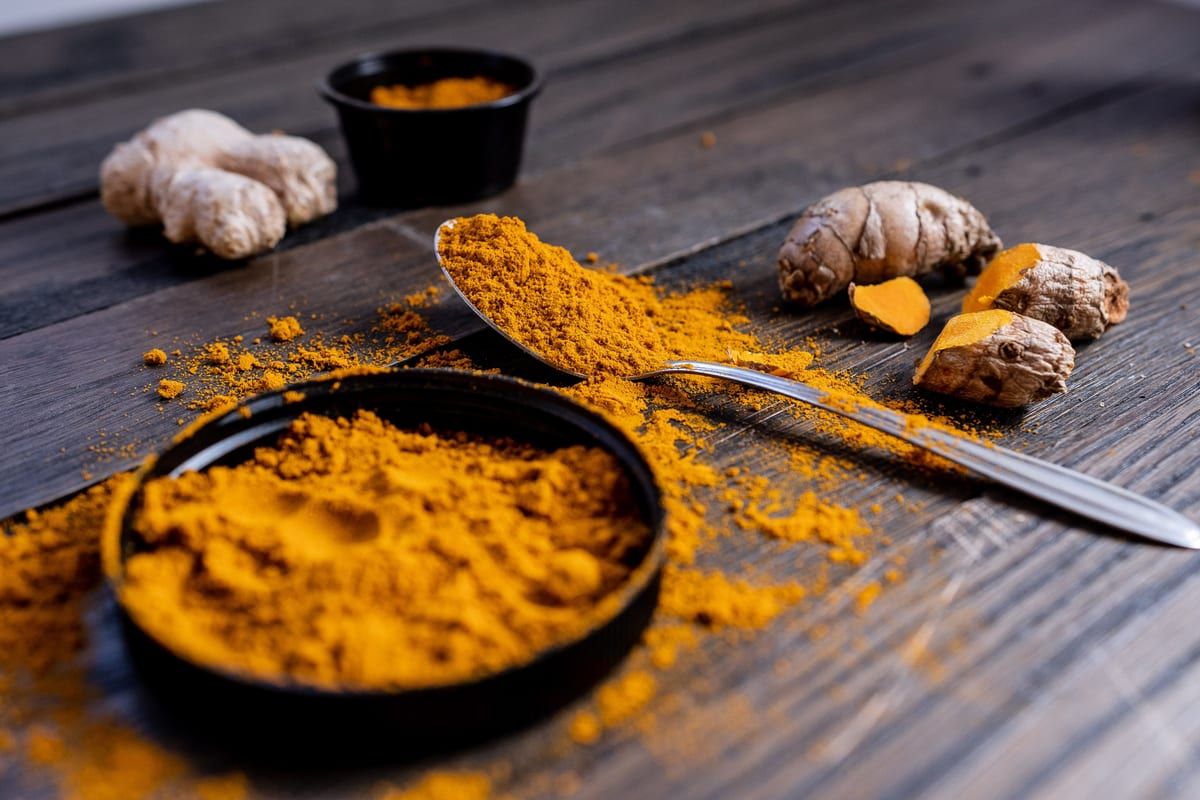
- Ginger. In a 2008 crossover study of 24 healthy volunteers, ginger roughly halved the time it took the stomach to empty half its contents (13 vs. 27 minutes) and increased contractions in the lower stomach12.
- Artichoke and ginger. In a 2015 placebo-controlled trial of 126 adults with indigestion, a combination of artichoke leaf extract and ginger taken before meals for 4 weeks improved symptoms in 63% vs. 25% on placebo13. See our artichoke guide.
Neither has been tested specifically for SIBO relapse.
How prokinetics are used
SIBO practitioners usually start a prokinetic after treatment and take it at bedtime, to support the MMC during the overnight fast. Prokinetics can be combined, and if SIBO returns when a prokinetic is stopped, it is often continued longer and the underlying cause re-examined14. In the 2009 records review, the medicines were taken at bedtime4.
Meal spacing
Because eating interrupts the MMC2, SIBO practitioners also recommend spacing meals 4 to 5 hours apart without snacks and fasting about 12 hours overnight14. See our guide to eating after SIBO treatment.
Common questions
Which prokinetic is best for SIBO?
There are no head-to-head trials in SIBO. Low-dose erythromycin and tegaserod have the most direct evidence for delaying relapse4; prucalopride is widely used because of its safety profile6. The choice depends on your history and should be made with your doctor.
How long should I take a prokinetic?
There is no standard duration. Practitioners commonly continue it for months after treatment and extend it if relapse occurs when it is stopped14.
Do I still need a prokinetic if SIBO has cleared?
Clearing SIBO does not fix slow gut movement. Given how often SIBO returns1, a prokinetic is a common part of relapse prevention.
Works Cited & Scientific References
14
▼
- Small intestinal bacterial overgrowth recurrence after antibiotic therapy - Am J Gastroenterol 2008 (PubMed)
- The migrating motor complex: control mechanisms and its role in health and disease - Nat Rev Gastroenterol Hepatol 2012 (PubMed)
- Effects of different types of stress and of "prokinetic" drugs on the control of the fasting motor complex in humans - Gastroenterology 1986 (PubMed)
- Low-dose nocturnal tegaserod or erythromycin delays symptom recurrence after treatment of irritable bowel syndrome based on presumed bacterial overgrowth - Gastroenterol Hepatol 2009 (PMC)
- Erythromycin induces migrating motor complex in human gastrointestinal tract - Dig Dis Sci 1986 (PubMed)
- The management of adult patients with severe chronic small intestinal dysmotility - Gut 2020 (PMC)
- Effect of octreotide on intestinal motility and bacterial overgrowth in scleroderma - N Engl J Med 1991 (PubMed)
- The effect of pyridostigmine on small intestinal bacterial overgrowth (SIBO) and plasma inflammatory biomarkers in HIV-associated autonomic neuropathies - J Neurovirol 2019 (PubMed)
- Low dose naltrexone: side effects and efficacy in gastrointestinal disorders - Int J Pharm Compd 2010 (PubMed)
- Metoclopramide tablets prescribing information - DailyMed, US National Library of Medicine
- Comparative efficacy of diverse therapeutic regimens for small intestinal bacterial overgrowth: a systematic network meta-analysis - Ther Adv Gastroenterol 2025 (PMC)
- Effects of ginger on gastric emptying and motility in healthy humans - Eur J Gastroenterol Hepatol 2008 (PubMed)
- The effect of ginger and artichoke extract supplementation on functional dyspepsia: a randomised, double-blind, placebo-controlled clinical trial - Evid Based Complement Alternat Med 2015 (PMC)
- Prevention of relapse and prokinetics - SIBOinfo
Topics & Tags: