Evidence-Based & Medically Referenced
Kefir and SIBO: Fermented Probiotics, Lactose & Microbial Burden
By Bacterial Overgrowth Editorial Team • • 16 min reading time

Few functional beverages hold as strong a reputation for gut healing as kefir, yet introducing billions of live fermenting cultures into an actively overgrown small intestine presents a distinct clinical paradox. For individuals with Small Intestinal Bacterial Overgrowth (SIBO), the proximal gastrointestinal tract has lost its natural low-microbe balance1. Flooding this already crowded environment with additional live bacteria, residual milk sugars, and active fermentation byproducts frequently triggers an immediate surge of gas production, visceral bloating, and altered motility1.
Kefir is a fermented drink made by adding a living culture of bacteria and yeast to a liquid base, usually milk or sugar water. The fermentation process creates a beverage loaded with billions of living microorganisms, organic acids, and various nutritional compounds3. Because kefir is packed with bacteria, introducing it to a digestive tract that already has too many bacteria creates a complex interaction. Consuming kefir can either severely worsen SIBO symptoms or help repair the gut, depending entirely on the current stage of the condition, the type of kefir, and the specific sensitivities of the person drinking it.
The Mechanics of Kefir in an Active SIBO Environment
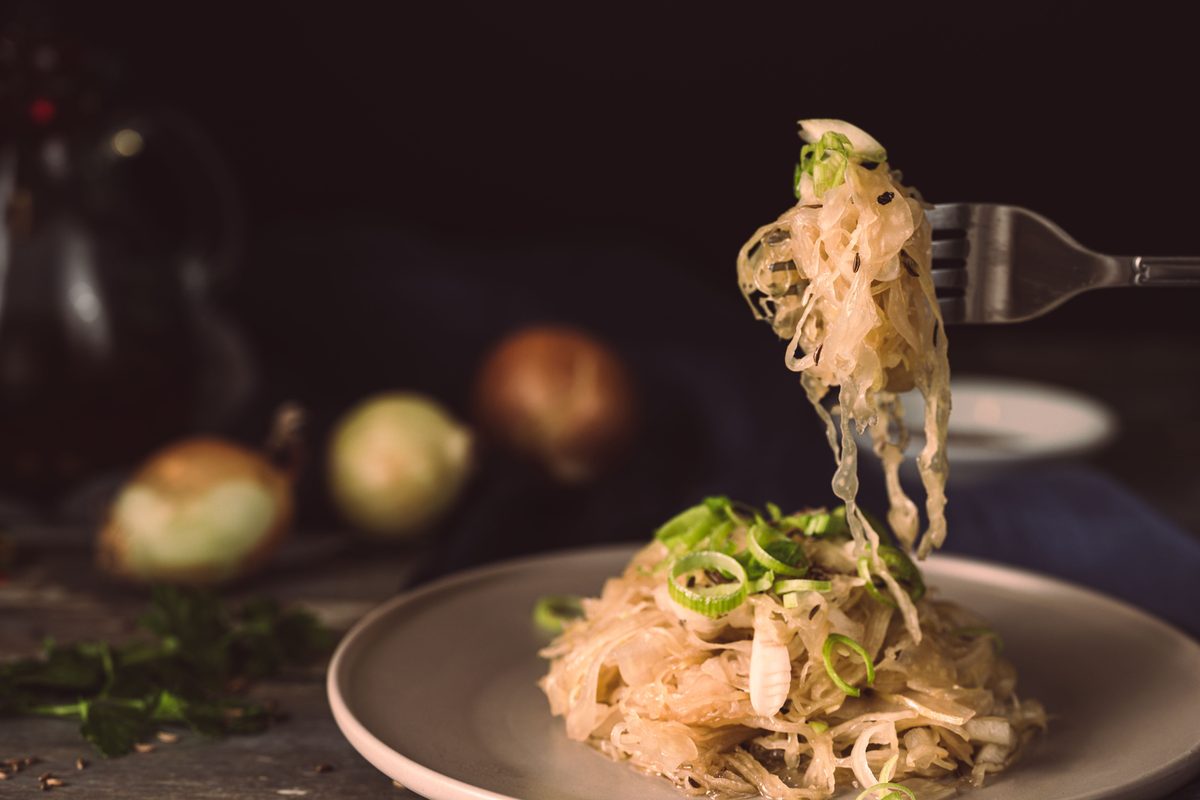
When SIBO is active, the small intestine is highly sensitive. Adding fermented foods like kefir or fermented cabbage and sauerkraut during this phase often leads to negative reactions. The reasons for this involve the physical space in the gut, the sugars present in the drink, and the specific byproducts created by the bacteria.
Bacterial Crowding and Fermentation
The most immediate effect of drinking kefir during active SIBO is an increase in digestive distress. Kefir introduces a massive dose of living bacteria and yeast into the upper digestive tract. While these are beneficial strains, the small intestine in a SIBO patient is already overwhelmed by a high bacterial load, which is why targeted probiotic therapy requires non-colonizing or spore-forming species1.
When a person drinks kefir, the bacteria in the drink and the bacteria already overgrown in the small intestine compete for the same food sources. Kefir contains fermentable sugars. Milk kefir contains lactose, while water kefir contains sucrose or fructose5. As the bacteria consume these sugars, they undergo fermentation. Fermentation is a biological process where microbes break down carbohydrates and release gases as a byproduct6. In the small intestine, this results in the production of hydrogen and methane gases, which are measured using a diagnostic breath test7.
These gases have nowhere to go. They become trapped in the small intestine, causing the intestinal walls to physically stretch. This stretching is what causes the severe bloating, abdominal distension, and pain associated with SIBO2. Furthermore, different gases affect how the gut moves. Hydrogen gas is generally associated with rapid gut movement and diarrhea, while methane gas slows down the digestive tract and leads to constipation9. Adding the sugars and the live cultures from kefir to this environment acts like adding fuel to a fire, rapidly increasing gas production and worsening the physical symptoms8.
Brush Border Enzyme Damage and Lactose
The lining of the small intestine is covered in tiny, finger-like projections called villi, and even smaller projections called microvilli. Together, these form the brush border. The brush border resembles the shaggy fibers of a carpet. Its primary function is to maximize the surface area for absorbing nutrients and to release digestive enzymes that break down specific sugars and proteins11.
One of the enzymes produced by the brush border is lactase, which breaks down lactose, the main sugar in milk. SIBO causes physical damage and inflammation to the brush border10. As the bacteria produce toxins and acid, the shaggy fibers of the brush border become blunted and damaged. When this happens, the small intestine stops producing enough lactase, driving secondary lactase deficiency and dairy intolerance7.
If a person with active SIBO drinks traditional milk kefir, their damaged brush border cannot break down the lactose in the drink. Because the human body cannot absorb the whole lactose molecule, it remains in the small intestine. The overgrown bacteria then feed on this undigested lactose, ferment it, and create even more gas and bloating8. While the fermentation process of making kefir does reduce the lactose content of the milk by about thirty percent, the remaining lactose is often still too high for a damaged brush border to handle16.
Histamine Reactions
Kefir is a fermented food, and the fermentation process naturally produces high levels of histamine5. Histamine is a chemical compound involved in the immune response, and it is normally broken down in the digestive tract by an enzyme called diamine oxidase.
Because SIBO damages the intestinal lining, the body often struggles to produce enough diamine oxidase18. When a person with SIBO consumes a high-histamine food like kefir, the histamine enters the digestive tract and cannot be properly neutralized. It then passes through the damaged gut lining and enters the bloodstream. This creates a systemic reaction. Symptoms of a histamine reaction include skin flushing, hives, headaches, rapid heart rate, fatigue, and brain fog5. For people with SIBO who also have a sensitivity to histamine, the side effects of drinking kefir are felt throughout the entire body, not just in the digestive system.
D-Lactic Acidosis and Cognitive Symptoms
Certain strains of bacteria commonly found in kefir, specifically from the Lactobacillus family, produce a byproduct called D-lactic acid when they break down sugars20. In a healthy digestive system, other microbes easily clear this acid. However, in a system with slow motility and bacterial overgrowth, D-lactic acid can accumulate.
Research has documented cases where patients with SIBO who consumed high amounts of probiotics or fermented foods developed a condition known as D-lactic acidosis20. When D-lactic acid builds up in the blood, it is temporarily toxic to brain cells. It interferes with cognition, leading to slurred speech, a distorted sense of time, confusion, and severe brain fog20. Studies indicate that when patients stop taking the probiotics and clear the bacterial overgrowth with antibiotics, the brain fog resolves20.
Some scientific groups point out that this connection is observational. They note that many natural intestinal bacteria also produce D-lactic acid, making it difficult to prove that the probiotics directly caused the acidosis21. Despite this debate, adding a heavy dose of D-lactic acid-producing bacteria from kefir into a slow-moving, overgrown small intestine carries a risk of increasing cognitive side effects.
Small Intestinal Fungal Overgrowth (SIFO)
Bacterial overgrowth in the small intestine is frequently accompanied by fungal overgrowth. This condition is known as Small Intestinal Fungal Overgrowth, or SIFO. Fungi, such as Candida, grow in the same environment as the bacteria, causing identical symptoms of bloating, nausea, and pain24.
Kefir is created using a symbiotic culture of bacteria and yeast. The yeast strains in kefir, such as Saccharomyces cerevisiae and Candida stellata, are generally considered beneficial for human digestion19. However, in a gut environment that already has an overgrowth of fungi, introducing more yeast can sometimes aggravate the existing fungal communities5. The natural sugars in both milk and water kefir provide a food source for Candida, which can encourage the pathogenic yeast to grow further, leading to a flare-up of SIFO symptoms alongside the SIBO symptoms5.
The Mechanics of Kefir for Gut Healing
While kefir is generally problematic during the active phase of SIBO, it is viewed as highly beneficial during the recovery phase. Once the bacterial overgrowth has been cleared out through specific diets, herbal treatments, or pharmaceutical antibiotics, the small intestine is left damaged and vulnerable. In this post-treatment environment, the properties of kefir help rebuild the gut, restore healthy digestive functions, and prevent the bacteria from returning.
Rebuilding the Intestinal Barrier
The intestinal wall is only one cell thick. These cells are held together by specific proteins that act like glue, creating what are known as tight junctions. Tight junctions are the gatekeepers of the gut. They open slightly to let digested nutrients pass into the bloodstream, but they stay closed to block bacteria, toxins, and large food particles from escaping the intestine27.
The chronic inflammation caused by SIBO breaks down these tight junctions. This creates a condition commonly referred to as leaky gut, where the barrier becomes highly permeable28. Toxins and undigested food slip through the broken barrier into the bloodstream, triggering immune responses and full-body inflammation28.
Kefir plays a direct role in repairing this barrier. The bioactive peptides and specific bacterial strains in kefir instruct the body to produce more tight junction proteins. Studies show that kefir increases the production of proteins like occludin, claudin-1, and zonula occludens-1 (ZO-1)31. Furthermore, kefir contains a unique structural sugar called kefiran, which provides a protective coating to the intestinal walls4. Clinical observations show that consuming kefir lowers blood levels of zonulin, a protein marker that indicates a leaky gut35. By stimulating the body to produce more of these structural proteins, kefir helps seal the gaps between the intestinal cells. It restores the physical integrity of the gut lining, which reduces overall inflammation and helps the digestive system return to normal28.
Antimicrobial Properties and Biofilm Disruption
A common issue with SIBO is the high rate of relapse. Bacteria are resilient and often find ways to survive treatments and repopulate the small intestine. Kefir helps prevent this relapse through its natural antimicrobial properties. The microorganisms in kefir do not just coexist with other bacteria; they actively fight off pathogenic strains.
During the fermentation of kefir, the bacteria and yeast produce several antimicrobial compounds. These include organic acids, hydrogen peroxide, and specific proteins called bacteriocins3. Bacteriocins are targeted toxins that kefir bacteria release to kill competing, harmful bacteria without harming themselves or the host4. Research demonstrates that the bacteriocins and acids in kefir are highly effective at inhibiting the growth of Escherichia coli, Klebsiella, and Salmonella34. These are the exact types of coliform bacteria that frequently migrate from the large intestine to cause SIBO.
Furthermore, SIBO-causing bacteria often protect themselves by building biofilms. A biofilm is a slimy, protective shield made of extracellular proteins and sugars that bacteria build around their colonies39. This shield makes them highly resistant to antibiotics and immune system attacks. Certain lactic acid bacteria found in kefir have the ability to assist in biofilm disruption and degrade these matrices26. By breaking down the physical shields of the pathogenic bacteria and releasing targeted antimicrobial proteins, kefir acts as a natural defense system that keeps unwanted bacteria from settling back into the small intestine39.
Short-Chain Fatty Acids and Inflammation Reduction
As the beneficial microbes in kefir digest fibers and complex carbohydrates, they produce metabolic byproducts called short-chain fatty acids. The most important of these are butyrate, propionate, and acetate41.
Short-chain fatty acids are necessary for gut health. Butyrate, in particular, is the primary source of energy for colonocytes, which are the cells that line the colon42. Beyond providing energy, short-chain fatty acids act as powerful anti-inflammatory agents. They connect to specific cellular receptors, known as G-protein coupled receptors, on human immune cells. This connection suppresses the release of pro-inflammatory chemicals like cytokines41. They also block specific enzymes in the body, called histone deacetylases, that normally promote inflammation by altering gene expression41.
In the aftermath of a SIBO infection, the intestinal tissue is left inflamed and irritated. The short-chain fatty acids generated by kefir help calm this immune response. They signal the immune system to stop attacking the tissue, allowing the intestinal wall to rest and regenerate40.
Stimulating the Migrating Motor Complex
Proper gut motility is one of the most important factors in preventing SIBO. In a healthy person, the digestive tract performs a routine cleaning cycle known as the migrating motor complex (MMC). Roughly every ninety minutes while a person is fasting or sleeping, the stomach and small intestine create strong, sweeping muscle contractions1. These waves act like a street sweeper, pushing leftover food debris, digestive juices, and excess bacteria out of the small intestine and into the large intestine1.
When the migrating motor complex is impaired or slow, bacteria are not swept away. They remain in the small intestine, multiply, and cause SIBO1. Restoring this cleaning wave is a primary goal in post-SIBO care.
Kefir supports the migrating motor complex indirectly through its metabolic byproducts. The short-chain fatty acids and organic acids produced by the kefir bacteria stimulate the release of neurotransmitters in the gut, such as serotonin and acetylcholine40. These chemical messengers communicate with the enteric nervous system, prompting the intestinal muscles to contract. By encouraging these natural sweeping motions, kefir helps keep the small intestine clear of stagnant debris, which limits the ability of bacteria to overgrow40.
Current Research on Kefir and Probiotics in SIBO
The scientific community continues to study how fermented foods and probiotics affect SIBO. Current clinical trials provide mixed but largely promising results regarding the use of probiotics, including those found in kefir, for symptom management and gut restoration.
Research shows that probiotic treatments can directly alter the gases produced in the small intestine. In clinical breath test studies, patients taking probiotics experienced reductions in hydrogen and methane gas production40. One specific study demonstrated that adding probiotics to a treatment plan resulted in a 71.3 percent decrease in total symptom scores for patients diagnosed with both Irritable Bowel Syndrome and SIBO46.
A 2019 randomized controlled trial explored the effects of kefir on patients with inflammatory bowel disease, a condition that shares many inflammatory markers with SIBO. The patients who drank 400 milliliters of kefir twice daily for four weeks showed significant decreases in systemic inflammation markers, specifically C-reactive protein and erythrocyte sedimentation rate47. The study also noted that the kefir group experienced improved bloating scores and increased hemoglobin levels, suggesting that the kefir helped the gut absorb nutrients more effectively47.
Another key finding in modern microbiome research is that the bacteria in kefir do not permanently colonize the human digestive tract. They act as transient visitors. The bacteria move through the stomach and intestines, modulating the environment by lowering the pH level, competing for nutrients, and fighting pathogens3. After a few days, these microbes are naturally expelled from the body. Because they do not permanently settle in the gut, kefir must be consumed regularly to maintain its environmental benefits3.
Comparing Types of Kefir for SIBO Management
Not all kefir is the same. The base liquid used for fermentation heavily alters the nutritional profile, the types of microbes present, and how likely the drink is to trigger SIBO symptoms. Understanding the differences between milk kefir, water kefir, and coconut kefir is necessary for anyone navigating gut issues.
| Kefir Type | Base Ingredient | FODMAP Status | Considerations for SIBO |
|---|---|---|---|
| Traditional Milk Kefir | Cow, sheep, or goat milk | High (due to lactose) | Contains high levels of protein and calcium. Goat milk is often easier to digest. The lactose content makes it risky for those with a damaged brush border. High histamine content5. |
| Water Kefir | Filtered water, cane sugar, fruit | Variable | Dairy-free and lactose-free. FODMAP levels depend on the amount of residual sugar and added fruits. Contains more yeast strains, which can be an issue if fungal overgrowth is present16. |
| Coconut Milk Kefir | Full-fat coconut milk | Moderate | Dairy-free. High in fats and calories. Coconut contains sorbitol (a sugar alcohol), making large servings a moderate FODMAP risk. Soothing to inflamed tissue16. |
| Coconut Water Kefir | Coconut water | Low | Dairy-free, light, and hydrating. Generally well-tolerated and considered cooling for inflamed gut tissue. Contains fewer overall microbial strains than milk kefir51. |
Traditional Milk Kefir
Milk kefir is the most studied and microbe-dense option. It offers between thirty and fifty different strains of bacteria and yeast17. However, it presents the biggest challenge for people with SIBO due to the presence of lactose. Even after a long fermentation period, milk kefir still retains some lactose, which easily feeds bacterial overgrowth16.
For those recovering from SIBO, choosing goat milk kefir instead of cow milk kefir can improve tolerance. The proteins in goat milk are structurally different and generally cause less immune irritation in an already sensitive gut50. Alternatively, lactose-free cow milk kefir is a viable option for those who want the high bacterial diversity of dairy kefir without the fermentable sugar risk. This type of kefir is made by adding the lactase enzyme to the milk, which breaks down the lactose before the person drinks it16.
Water Kefir
Water kefir is brewed using water kefir grains, which are distinct from milk kefir grains. They feed on sucrose or cane sugar rather than lactose. Water kefir is lighter, carbonated, and completely dairy-free5.
The primary concern with water kefir in the context of SIBO is the residual sugar. While the bacteria consume most of the sugar during fermentation, shorter fermentation times leave more sugar behind. This fructose and sucrose can trigger SIBO symptoms. Additionally, commercial water kefirs are often flavored with high-FODMAP fruit juices like apple or agave, which rapidly exacerbate gas and bloating16. Plain, unflavored water kefir fermented for longer periods is the safest option.
Coconut Kefir
Coconut kefir provides a dairy-free alternative that is often recommended for sensitive digestive tracts. Coconut water kefir is particularly gentle, as it is very low in fermentable carbohydrates and is considered soothing to the inflamed intestinal lining51.
Coconut milk kefir, made from the high-fat pressed milk of the coconut, is thicker and creamier. While it provides excellent probiotics, the coconut base contains natural sugar alcohols known as polyols. Polyols are a specific type of fermentable carbohydrate that draw water into the intestines and are easily fermented by bacteria. Because of this, consuming large servings of coconut milk kefir can trigger symptoms, so portion control remains necessary16.
Strategies for Consuming Kefir
The timeline and method of introducing kefir are just as important as the type of kefir chosen. Consuming fermented foods incorrectly can erase treatment progress and trigger severe symptom relapses.
Timing the Introduction
Kefir is generally avoided during the acute, active phase of SIBO8. During this time, the primary medical goal is to eradicate the overgrowth and starve the bacteria of fermentable foods. Adding billions of new bacteria and extra sugars directly contradicts this goal8.
The appropriate time to introduce kefir is during the recovery and maintenance phases. This occurs after a patient has completed a course of targeted prescription antibiotics or antimicrobial herbs, and their daily symptoms of bloating and pain have significantly decreased8. At this stage, the goal shifts from eradicating bacteria to repopulating the large intestine with healthy microbes, addressing root causes to prevent relapse, and following relapse-prevention food protocols8.
Fermentation Length
The length of time the kefir is allowed to ferment alters its chemical makeup. For milk kefir, a standard fermentation time is twenty-four hours. Allowing the kefir to ferment for forty-eight hours gives the bacteria more time to consume the lactose, resulting in a much lower lactose content8.
However, a longer fermentation time also allows the bacteria to produce much higher levels of histamine and organic acids8. Therefore, extending the fermentation time reduces the risk of lactose fermentation but increases the risk of a histamine reaction. This requires a careful balancing act depending on which intolerance is more severe for the individual.
Dose and Observation
Because the post-SIBO gut is highly sensitive, kefir cannot be consumed in large glasses immediately. The introduction must be slow and measured to prevent overwhelming the digestive tract.
The standard practice is to begin with a micro-dose of just one to two tablespoons of plain, unflavored kefir per day5. This small amount introduces a modest number of microbes and gives the immune system and the gut environment time to adjust. Kefir is also more effective when consumed alongside a meal rather than on an empty stomach. The physical presence of other food helps buffer the stomach acid, ensuring that more of the beneficial bacteria survive the journey into the intestines5.
After introducing the small dose, a waiting period of three to five days helps determine how the body reacts8. Tracking symptoms such as changes in bowel movements, increases in bloating, skin itching, or shifts in energy levels indicates whether the gut is ready for the kefir8. If symptoms remain stable, the dose is slowly increased over several weeks16. If symptoms return or worsen, it signals that the small intestine has not fully healed, and the introduction of fermented foods should be delayed.
This is for informational purposes only. For medical advice or diagnosis, consult a professional.
Works Cited & Scientific References
55
▼
- Small Intestinal Bacterial Overgrowth - StatPearls - NCBI Bookshelf
- The Truth About Fermented Foods for SIBO
- Kefir: A Potential Gut Microbiota Modulator: A Systematic Review of
- Artisanal Kefir: Antimicrobial Activity and Bacterial Populations
- Is Kefir Good for IBS? - Nutrition and Vitality
- SIBO: The Finer Points of Diagnosis, Test Interpretation, and Treatment
- SIBO Diet - SIBOINFO
- SIBO and Kefir - do they go together?
- SIBO: Causes, Symptoms, and the Role of Probiotics in its Treatment
- Kefir for SIBO: Benefits, Downsides & When to Use It - InnerBuddies
- SIBO and Enzyme Therapy: Supporting Small Intestine Health
- What is the best treatment of SIBO? Part 2
- SIBO and Digestive Enzymes How the Pancreas Impacts Recovery
- Treatment and Management of SIBO — Taking a Dietary Approach
- the cause behind worsened digestion - SIBO Academy
- Is Kefir Low FODMAP? Your Practical Gut Guide - Gourmend Foods
- Kefir and IBS — Is It Good, How Much and Is It Low-FODMAP? | IBS.ie
- Best Foods for Gut Health - Prana Thrive
- 15 x 500 ml Mixed Water Kefirs - Tibico Fermentary
- Study Suggests Link Between Probiotic Use and Brain Fogginess
- 'Brain fogginess' and D-lactic acidosis: probiotics are not the cause
- Brain fogginess, gas and bloating: a link between SIBO, probiotics
- SIBO Diet 101: What You Should and Shouldn't Eat - Healthline
- Small Intestinal Fungal Overgrowth (SIFO) - Dr Hagmeyer
- SIBO: The Complete Guide To Small Intestinal Bacterial Overgrowth
- FAQs – Tibico Fermentary Craft Fermented Water Kefirs
- Cell Biology of Tight Junction Barrier Regulation and Mucosal Disease
- Implication of Intestinal Barrier Dysfunction in Gut Dysbiosis ... - PMC
- SIBO: Symptoms, Causes and Natural Support Strategies
- Nutritional Keys for Intestinal Barrier Modulation - PMC
- Kefir and Its By-Products Supplementation Reduces Inflammation
- Intestinal barrier analysis by assessment of mucins, tight junctions
- Probiotics and the intestinal tight junction barrier function - PubMed
- Bioactive Compounds from Kefir and Their Potential Benefits on
- (PDF) The effect of kefir and milk intake on intestinal permeability
- Lactobacilli, a Weapon to Counteract Pathogens through the
- Minireview Kefir as a source of antimicrobial compounds against
- Using Lactobacilli to Fight Escherichia coli and Staphylococcus
- Probiotics as Therapeutic Tools against Pathogenic Biofilms
- Probiotics For SIBO - Healthpath
- Prebiotics and Short-Chain Fatty Acids: Link to Inflammation - Rebiirth
- Roles of Short-Chain Fatty Acids in Inflammatory Bowel Disease
- Gut Microbiota-Derived Short-Chain Fatty Acids in Inflammatory
- SIBO Treatment: 7 Proven Steps for Lasting Relief - GI Associates
- Probiotics for Preventing and Treating Small Intestinal Bacterial
- Do Probiotics and Fermented Foods Worsen SIBO?
- Kefir for Crohn's Disease: What Research Really Shows
- Kefir: A Potential Gut Microbiota Modulator: A Systematic Review of
- The Failure of Probiotics—and the Strategy of Microbiome Synergy
- Best Milk for Gut Health: 8 Options Ranked by a Clinician
- Coconut Kefir vs Regular Kefir: Nutrition & Benefits Guide
- The Low FODMAP Diet Warning for IBS and SIBO Sufferers
- 6 Low FODMAP Probiotic Food Sources - A Little Bit Yummy
- Is Kombucha Good for Gut Health? | Gut Specialist
- FODMAP-Friendly Kefir: A Digestive Guide for IBS Sufferers
Topics & Tags:
Continue Learning
Related SIBO Guides