Evidence-Based & Medically Referenced
Candida and SIBO: SIFO, Fungal-Bacterial Interaction & Biofilms
By Bacterial Overgrowth Editorial Team • • 10 min reading time
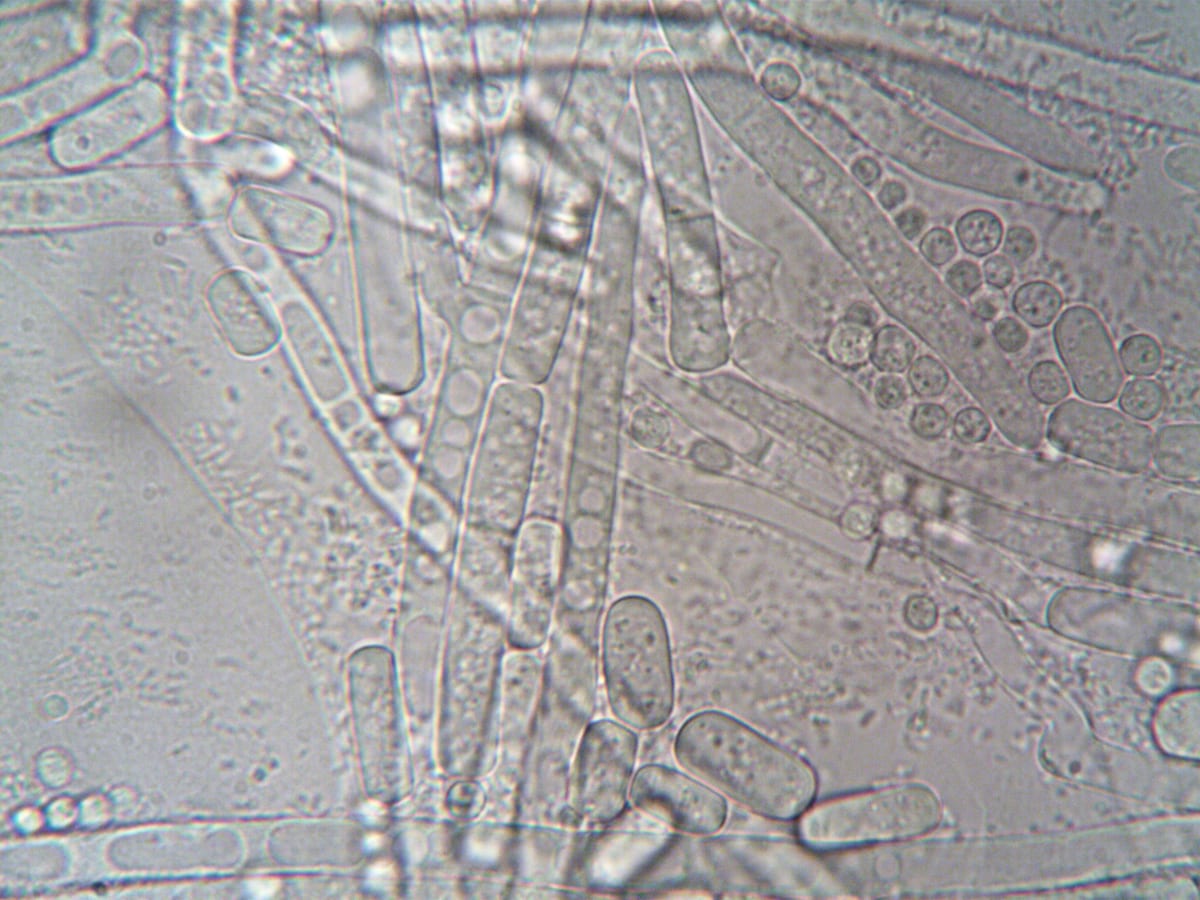
While clinical discussions around gut health typically focus on bacteria, trillions of microscopic fungi also inhabit the gastrointestinal tract in a fragile ecological balance. Under healthy conditions, the small intestine keeps both bacterial and fungal counts remarkably low, reserving its expansive surface area for enzymatic digestion and nutrient absorption. When natural antimicrobial defenses falter or gut motility slows, opportunistic microbes multiply rapidly in the mid-gut. This state of ecological disruption is called dysbiosis1, which represents one of the primary root causes of SIBO.
Small intestinal bacterial overgrowth (SIBO) develops when bacteria that normally reside in the colon or oral cavity build up in the small intestine. Small intestinal fungal overgrowth (SIFO) occurs when fungal species colonize this exact same anatomical zone. In the vast majority of clinical cases, the organism driving this fungal overgrowth belongs to the Candida genus, most frequently Candida albicans1.
Candida overgrowth and SIBO are deeply connected conditions. They share the same physical space, they happen for the same exact reasons, and they cause the same physical discomfort for the patient. However, bacteria and fungi are entirely different types of organisms. They interact with the human body in different ways, they damage the intestinal wall using different biological tools, and they release completely different waste products as they eat.
Shared Causes and Risk Factors
Candida overgrowth and SIBO happen together because they rely on the same environmental failures to survive. The human body has several mechanical and chemical defenses designed to keep the small intestine clear of excess microbes. When these defenses break down, both bacteria and Candida take advantage of the open space.
Stomach acid is the first line of defense. It destroys most bacteria and fungi before they ever reach the small intestine. People who have low stomach acid have a much higher risk for both SIBO and Candida overgrowth3. This low acid state is frequently caused by the long-term use of proton pump inhibitors (PPIs) and other acid-reducing medications3. Without enough stomach acid, live bacteria and live Candida yeast easily pass into the small intestine and begin to multiply.
The second major defense is a sweeping motion in the gut called the migrating motor complex (MMC). This physical movement pushes leftover food, waste, and microbes down out of the small intestine and into the colon. When this sweeping motion slows down or stops, the gut cannot clear itself out. This condition is called dysmotility, and it is an independent risk factor for both bacterial and fungal overgrowths3. Connective tissue disorders, such as Ehlers-Danlos syndrome, cause hyperelasticity in the gut muscles, which slows down this movement and leads to both SIBO and Candida6.
Structural changes to the intestines also create physical spaces where both bacteria and Candida can pool and grow. Surgeries that alter the digestive tract are a major trigger. Research by gastroenterologist Dr. Satish Rao shows that patients who have undergone a colectomy, which is the surgical removal of the colon, have a significantly higher rate of both SIBO and Candida overgrowth compared to people with an intact colon6.
The Overlap in Patients
Because they share the exact same risk factors, SIBO and Candida frequently exist in the small intestine at the same time. They are not mutually exclusive conditions.
Dr. Satish Rao and his research team have conducted extensive studies sampling the actual fluid from inside the small intestines of patients with unexplained digestive symptoms. Their findings show exactly how often these two organisms co-occur. In a specific group of patients confirmed to have intestinal overgrowth, 40 percent had SIBO alone, 26 percent had Candida overgrowth alone, and 34 percent had a mixed overgrowth containing both SIBO and Candida4.
This high rate of co-occurrence means that when the small intestine environment degrades enough to support a bacterial overgrowth, it is highly likely that it will also support a fungal overgrowth.
Bacterial Control and the SCFA Mechanism
The most direct biological connection between SIBO and Candida is how they compete with each other for dominance. They do not live in isolation. The bacteria and the fungi constantly interact, and the bacteria physically control the behavior of the Candida.
In a healthy gut, beneficial bacteria keep Candida in check. They achieve this chemical control through the production of short-chain fatty acids (SCFAs). When healthy bacteria eat dietary fibers, they release SCFAs into the intestinal fluid. The three most common short-chain fatty acids are acetate, propionate, and butyrate9.
These specific fatty acids actively stop Candida from growing11. More importantly, SCFAs prevent Candida from changing its physical shape. Candida possesses a trait called phenotypic plasticity, or dimorphism3. When Candida is harmless, it exists as a simple, oval-shaped yeast cell. However, when it becomes aggressive, it physically transforms into a long, thread-like structure called a hypha3. SCFAs produced by healthy bacteria force the Candida to stay in its harmless, oval yeast shape3.
When a person takes broad-spectrum antibiotics—whether prescription antibiotics like Rifaximin or non-selective botanical antimicrobials—the drugs kill the healthy bacteria alongside the targets. Without the bacteria, the levels of short-chain fatty acids in the gut drop rapidly12. Without the SCFAs to hold it back, Candida turns into its invasive hyphal form and spreads rapidly across the intestinal wall11. This chemical relationship explains why Candida overgrowth is a frequent consequence of using antibacterial drugs to treat SIBO or other infections.
Symptom Overlap and IBS Connections
To a patient, a bacterial overgrowth and a Candida overgrowth feel almost exactly the same. Both conditions cause severe bloating, abdominal pain, indigestion, excess gas, and irregular bowel movements3. Because the symptoms are identical, distinguishing between SIBO and Candida based only on how a person feels is impossible.
The symptoms are the same because both organisms interfere with how the small intestine absorbs food. When excess microbes live in the small intestine, they intercept and eat the nutrients meant for the human body. This creates a state of malabsorption1. The unabsorbed food and the waste products from the microbes draw water into the intestines. This extra water and gas trigger localized inflammation, which causes the physical pain, diarrhea, and constipation.
Both SIBO and Candida are heavily connected to irritable bowel syndrome (IBS). SIBO is highly prevalent in patients with IBS2, a relationship explored further in our SIBO vs. IBS guide. People with diarrhea-predominant IBS (IBS-D) frequently test positive for hydrogen-producing SIBO15. People with constipation-predominant IBS (IBS-C) often have an overgrowth of methane-producing organisms, which is technically called intestinal methanogen overgrowth (IMO)15. Candida overgrowth produces the exact same IBS-like symptoms, and patients with Candida are frequently given a blanket diagnosis of IBS before the specific fungal overgrowth is identified1.
Intestinal Damage and Leaky Gut
The barrier of the small intestine is very delicate. The lining is only one cell thick. It is designed to let broken-down nutrients pass into the bloodstream while keeping out microbes, large food particles, and toxins. The body protects this barrier using mucus, antimicrobial proteins called defensins, and immune molecules called secretory IgA18. Both SIBO and Candida overpower these defenses and damage the single-cell barrier. This damage increases intestinal permeability, which is a condition commonly called leaky gut14.
While both conditions cause a leaky gut, they break the barrier using completely different biological methods.
SIBO bacteria damage the gut lining indirectly. The bacteria that cause SIBO, such as Escherichia coli and Klebsiella, release endotoxins called lipopolysaccharides (LPS)2. These toxins irritate the intestinal cells and trigger an inflammatory immune response2. SIBO bacteria also break down human bile salts too early in the digestive process. These deconjugated bile salts are highly acidic and physically burn the intestinal lining, which stops the cells from absorbing fats and vitamins3.
Candida damages the gut lining directly and mechanically. When Candida transforms into its long, thread-like hyphal shape, the fungal threads physically poke into and penetrate the human cells lining the gut3. To help with this invasion, Candida releases an enzyme called phospholipase. This enzyme actively digests the cell membranes of the human gastrointestinal tract, allowing the fungus to push deeper into the tissue3. Candida albicans also secretes a specific toxin called candidalysin, which destroys the epithelial cells and increases the permeability of the gut barrier22.
Differences in Fermentation and Gas Production
One of the most clear biological differences between SIBO and Candida overgrowth is how they ferment food and the specific gases they create as a byproduct.
The bacteria responsible for SIBO survive by fermenting dietary carbohydrates. When a person with SIBO eats carbohydrates or sugars, the bacteria consume them rapidly. The chemical byproduct of this bacterial fermentation is hydrogen gas and methane gas3, which can be measured using hydrogen and methane breath testing. The rapid accumulation of hydrogen and methane physically stretches the walls of the small intestine, which causes the severe distension and bloating associated with SIBO. Human digestive cells do not produce hydrogen or methane gas. Therefore, the presence of these gases in the digestive tract is an exact, direct indicator of bacterial overgrowth and bacterial fermentation3.
Candida does not produce hydrogen gas, and it does not produce methane gas3. Fungi process their food differently than bacteria do. When Candida ferments sugars in the small intestine, it produces carbon dioxide and ethanol, which is a type of alcohol3. A person with a Candida overgrowth will still experience intense bloating because the carbon dioxide gas fills the intestine, but the chemical makeup of that gas is entirely different from the gas produced by SIBO.
Mixed Biofilms and Physical Interaction
SIBO bacteria and Candida do not just float next to each other in the intestinal fluid. They physically interact with each other and can join together to build structural communities called biofilms.
A biofilm is a thick, protective slime matrix that microbes construct over a surface. When Candida overgrows, it builds these complex biofilms directly on top of the small intestine lining1. The biofilm acts as a physical shield. It protects the fungus from the host’s immune system, blocks antimicrobial proteins, and makes the organism highly resistant to removal.
When bacteria and fungi exist in the same space, they often build mixed communities called polymicrobial biofilms23. The SIBO bacteria embed themselves inside the fungal biofilm network. This cooperative structure protects the bacteria from antibiotics and protects the Candida from antifungal defenses, which is why clinical management frequently requires targeted biofilm disruption protocols. This physical intertwining makes mixed SIBO and Candida overgrowths particularly resilient within the human gut.
Direct Comparison of SIBO and Candida
The following table outlines the distinct biological differences between bacterial overgrowth and Candida overgrowth within the context of the small intestine.
| Feature | SIBO (Bacterial Overgrowth) | Candida / SIFO (Fungal Overgrowth) |
|---|---|---|
| Organism Type | Colonic bacteria (e.g., Escherichia coli, Klebsiella, Streptococcus)3. | Fungi (predominantly Candida albicans and Candida glabrata)3. |
| Primary Gas Produced | Hydrogen and Methane3. | Carbon dioxide and ethanol3. |
| Growth Behavior | Exists as single bacterial cells multiplying in the intestinal fluid3. | Exhibits dimorphism, switching from single yeast cells to invasive, branching hyphae3. |
| Mechanism of Damage | Damages the gut via endotoxins (lipopolysaccharides) and bile salt deconjugation3. | Damages the gut through physical invasion of tissue and secretion of digestive enzymes like phospholipase3. |
| Relationship to SCFAs | Antibiotics reduce beneficial bacteria, which drops SCFA levels. This lack of SCFAs directly triggers Candida3. | Low levels of SCFAs allow Candida to transform into its damaging hyphal shape11. |
| Symptom Profile | Bloating, gas, diarrhea, constipation, malabsorption, and abdominal pain3. | Bloating, gas, diarrhea, indigestion, malabsorption, and abdominal pain3. |
The small intestine requires a delicate balance of microbes to function normally. Small intestinal bacterial overgrowth and Candida overgrowth represent the exact same failure of that environment. Because they share the same physical space and intercept the same nutrients, they result in the same physical discomfort for the patient. However, their biological behaviors are completely separate. The bacteria control the fungi through the production of short-chain fatty acids. When the bacteria fail, the fungi grow. They damage the human body using different toxins, they digest food into different gases, and they construct complex, mixed communities to protect themselves from the human immune system.
Works Cited & Scientific References
25
▼
- Small Intestinal Fungal Overgrowth Mimicking a Surgical Abdomen
- Association between Gut Dysbiosis and the Occurrence of SIBO
- Small Intestinal Bacterial and Fungal Overgrowth - PMC - NIH
- Dysmotility and proton pump inhibitor use are independent risk
- A Study on the Glucose Breath Test Positivity Rate and Occurrence
- SIFO - an insufficiently researched, but clinically significant issue
- Small Intestinal Bacterial Overgrowth (SIBO) and... - Lippincott
- The prevalence of SIBO and/or SIFO in patients with colectomy and
- Effects of the gut microbiota and its metabolite short-chain fatty acids
- The Divergent Immunomodulatory Effects of Short Chain Fatty Acids
- Effects of Short-Chain Fatty Acid Combinations Relevant to ... - PMC
- Antibiotic-induced decreases in the levels of microbial-derived short
- Candida albicans gastrointestinal colonization resistance - PMC - NIH
- Small Intestinal Bacterial and Fungal Overgrowth - ResearchGate
- Prevalence and predictors of small intestinal bacterial overgrowth in
- Small Intestinal Bacterial Overgrowth-Pathophysiology and Its
- SIBO: Definition, Symptoms, Diagnosis, Causes and Related
- Microbiome Changes in Connective Tissue Diseases and Vasculitis
- Mechanisms of action and health benefits of probiotics
- Food, gut barrier dysfunction, and related diseases: A new target for
- Small Intestinal Bacterial Overgrowth in a Healthy Female Patient
- Gut bacteria: protective mediators, pathogenic contributors and
- Anaerobic Bacteria Grow within Candida albicans Biofilms and
- Gut Mycobiome: Latest Findings and Current Knowledge Regarding
- Small Intestinal Fungal Overgrowth | Request PDF - ResearchGate
Topics & Tags:
Continue Learning
Related SIBO Guides
20 min read

14 min read