Evidence-Based & Medically Referenced
SIBO and Leaky Gut: Zonulin, Endotoxemia & Intestinal Permeability
By Bacterial Overgrowth Editorial Team • • 18 min reading time
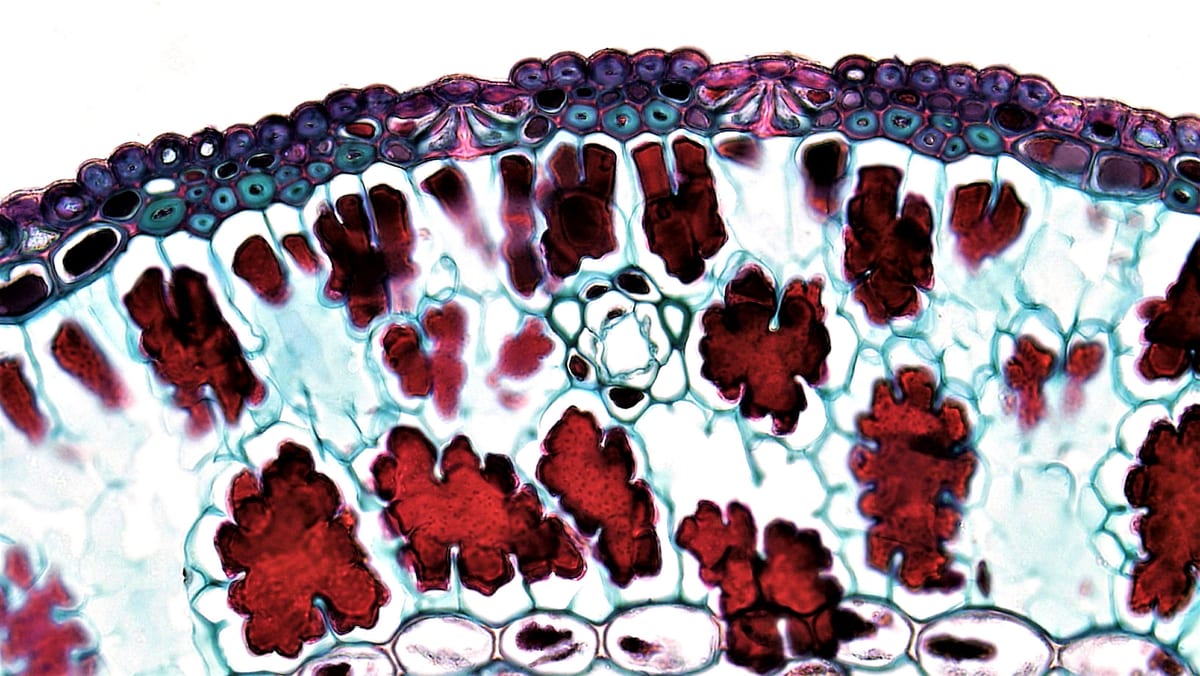
Separating the contents of the digestive tract from the bloodstream is an epithelial barrier just a single cell thick. In a healthy small intestine, this delicate mucosal boundary performs a dual role: it selectively absorbs water and essential nutrients while blocking intact bacteria, foreign antigens, and microbial toxins. Under normal physiological conditions, the small intestine maintains an environment with relatively sparse microbial counts, keeping digestive fermentation strictly contained within the downstream colon.
Small intestinal bacterial overgrowth, commonly known as SIBO, happens when an abnormally high number of bacteria build up in the small intestine1. These bacteria are usually the exact types of coliform bacteria that normally live in the large intestine2. When they multiply in the small intestine, they ferment food before the human body can absorb it, producing various gases and chemical byproducts2.
Leaky gut describes a physical condition involving the wall of the intestines. The precise medical term for leaky gut is increased intestinal permeability4. The intestinal wall is made of a single layer of epithelial cells. These cells are glued together by complex protein structures called tight junctions6. Tight junctions act like physical gates. They open slightly to let water and small dissolved nutrients pass from the gut into the bloodstream, and they close to block harmful substances6. When a person has a leaky gut, these tight junctions stay open too wide or remain open for too long7. This persistent opening allows intact bacteria, toxins, and undigested food particles to escape the digestive tract and enter the bloodstream4.
SIBO and leaky gut are completely different conditions, but they interact closely. SIBO is an ecological problem regarding the number and location of bacteria in the gut (often accompanied by fungal dysbiosis such as Candida overgrowth). Leaky gut is a structural problem regarding the physical integrity of the gut wall. Medical research demonstrates that SIBO does not automatically cause a leaky gut in every person, but the bacterial overgrowth frequently causes or worsens increased intestinal permeability8.
The physical environment of the digestive tract
To understand exactly how SIBO and leaky gut connect, it is helpful to look at the physical environment of the digestive tract. The small intestine is built for absorption. It has an enormous surface area, which is more than 100 times larger than the surface area of the large intestine10. This massive surface area allows the body to pull in nutrients efficiently.
Because the small intestine needs to absorb nutrients, its physical barriers differ greatly from the barriers in the large intestine. The large intestine has two thick layers of mucus covering its cell wall11. These thick mucus layers keep the massive population of colonic bacteria at a safe distance from the body’s actual tissues. The small intestine only possesses a single, very thin layer of mucus10. This thin mucus allows nutrients to pass through easily, but it means the small intestine has far less physical protection against bacteria.
The small intestine also operates as the primary site for immune monitoring in the gut10. A large number of immune cells live just beneath the single layer of epithelial cells12. When bacteria overgrow in the small intestine during SIBO, the high number of bacteria sit extremely close to the intestinal wall because the mucus layer is so thin10. The bacteria and the human immune system interact directly, which causes immediate irritation in the tissue.
| Feature | Small Intestine | Large Intestine (Colon) |
|---|---|---|
| Primary function | Digestion and nutrient absorption. | Water absorption and waste fermentation. |
| Normal bacterial count | Low (typically under 1,000 organisms/mL). | Very high (up to 100 billion organisms/mL). |
| Mucus protection | A single, thin, and diffuse mucus layer. | Two thick, dense mucus layers. |
| Surface area | Extremely large (over 100 times larger than the colon). | Relatively small. |
| Immune presence | High concentration of immune cells monitoring the tissue. | Lower concentration of direct mucosal immune monitoring. |
The mechanisms of small intestinal bacterial overgrowth
SIBO develops when the underlying defense and cleaning mechanisms of the gut fail. Normally, stomach acid kills most of the bacteria that a person swallows14. After a person eats, the small intestine uses strong, sweeping muscle contractions called the migrating motor complex to push leftover food and bacteria down into the large intestine15. A physical one-way valve called the ileocecal valve sits between the small and large intestines to prevent colonic bacteria from moving backward into the small intestine15.
When these defense mechanisms slow down or stop working, bacteria begin to pool and multiply in the small intestine14. These bacteria consume the fermentable carbohydrates that a person eats, which explains why dietary protocols like the low-FODMAP diet provide rapid temporary symptom relief16. As the bacteria digest these carbohydrates, they produce different types of gases.
Hydrogen-dominant SIBO involves bacteria that produce large amounts of hydrogen gas15. High levels of hydrogen in the gut generally speed up digestion and cause diarrhea15.
Intestinal methanogen overgrowth, or IMO, involves organisms called archaea15. These organisms consume hydrogen gas and produce methane gas15. Methane gas acts directly on the nervous system of the gut and slows down the intestinal muscle contractions15. This delayed movement leads to severe constipation15. While IMO was previously called methane-dominant SIBO, the scientific community now uses the term IMO because archaea belong to a different biological domain than bacteria15.
Hydrogen sulfide SIBO involves specific bacteria that produce hydrogen sulfide gas17. High levels of hydrogen sulfide are also linked to diarrhea, abdominal pain, and an extreme urgency to use the restroom15.
The structure of the intestinal barrier and tight junctions
The gut barrier separates the inside of the human body from the contents of the digestive tract. The main physical barrier is the intestinal epithelium, which is the single layer of cells lining the gut6. These cells absorb nutrients and transport them into the blood.
The microscopic space between these adjacent cells is called the paracellular pathway6. Tight junctions seal this space6. Tight junctions are networks of proteins that physically connect the cells to one another6. They operate as a selective filter. They allow beneficial molecules like water and dissolved minerals to pass through the gaps between the cells6. They prevent large molecules, toxins, and intact bacteria from slipping through6.
The body strictly regulates how wide these tight junctions open. A specific protein called zonulin controls this process—a marker that can be measured clinically via specialized serum and stool testing6. Zonulin is the only known human protein that reversibly regulates the opening and closing of tight junctions in the gut6. When the body releases zonulin, the protein attaches to receptors on the intestinal cells6. This triggers a chemical reaction inside the cell that moves the tight junction proteins away from the edges of the cell19. As the tight junction proteins pull apart, the physical gaps between the cells become wider19.
When the gaps widen, the intestine becomes more permeable. In a healthy body, this happens briefly to allow large nutrient molecules or specific immune cells to pass through the barrier19. However, if the body produces too much zonulin or if the tight junctions stay open for an extended period, the barrier breaks down7. This sustained opening is increased intestinal permeability, or a leaky gut4.
How SIBO directly causes leaky gut
SIBO creates an environment in the small intestine that directly damages the gut barrier. When bacteria multiply in the small intestine, they release toxic chemicals, interact aggressively with the immune system, and change the entire digestion process. These changes break down the tight junctions and cause intestinal permeability through several distinct pathways.
The role of zonulin and immune inflammation
The immune system monitors the small intestine constantly. When bacteria overgrow in the small intestine, the immune cells detect an unusually high number of microbes. The immune cells interpret this bacterial overgrowth as a severe threat and trigger an inflammatory response14.
Inflammation in the small intestine directly affects the tight junctions. The cells lining the intestine release zonulin in response to the bacterial overgrowth and the resulting inflammation7. As zonulin levels rise, the tight junctions between the cells open up7. The bacteria in the small intestine also secrete their own proteins and chemicals that trick the intestinal cells into releasing even more zonulin19. This creates a state of increased intestinal permeability.
The opening of the tight junctions allows bacteria and bacterial fragments to pass into the delicate tissue just below the intestinal lining7. The immune system reacts to these invading bacteria by creating more inflammation, which causes the cells to release more zonulin7. This biological cycle keeps the tight junctions open and maintains the leaky gut state permanently.
Endotoxins and lipopolysaccharides
Many of the bacteria involved in SIBO are gram-negative bacteria, such as Escherichia coli and Klebsiella pneumoniae3. These are the types of bacteria normally confined to the large intestine2. Gram-negative bacteria have a specific type of fat and sugar molecule on their outer cell walls called a lipopolysaccharide, also known as an endotoxin3.
When these bacteria live in the small intestine, they naturally shed these endotoxins into the environment3. When the bacteria die, they release even larger amounts of endotoxins into the gut. Endotoxins are highly irritating to human tissue. Because the small intestine has a very thin mucus layer, these endotoxins easily reach the epithelial cells10.
The endotoxins directly stimulate the intestinal mucosa and provoke a massive inflammatory response3. This direct chemical irritation damages the cells lining the intestine3. As the cells become damaged and inflamed, the tight junctions between them weaken and fall apart, leading directly to a leaky gut3. Once the gut becomes leaky, the endotoxins easily pass through the wide gaps between the cells and enter the bloodstream20.
Bile acid deconjugation and mucosal injury
The liver produces bile, and the gallbladder stores it. When a person eats dietary fat, the body releases bile into the small intestine to help digest the fat. Bile contains bile salts, which break large fat droplets into smaller microscopic pieces so the body can absorb them.
When a person has SIBO, the massive number of bacteria in the small intestine interact directly with these bile salts2. The bacteria chemically alter the bile salts before the bile has a chance to break down the fat in the food2. This chemical alteration process is called bile acid deconjugation2.
Deconjugated bile acids cannot digest fat properly, which leads to fat malabsorption2. A person with SIBO will often experience greasy stools and severe vitamin deficiencies because the body cannot absorb fat-soluble vitamins like vitamin A, D, E, and K2.
Deconjugated bile acids are also highly toxic to the cells lining the small intestine. These altered bile acids act as harsh chemicals that burn and injure the intestinal mucosa2. This chemical injury destroys the epithelial cells and causes the tight junctions to fail completely, which rapidly increases intestinal permeability.
Damage to brush border enzymes
The cells lining the small intestine have tiny, hair-like projections on their surfaces called microvilli21. These microvilli increase the surface area of the intestine to maximize nutrient absorption. The microvilli contain specific digestive proteins called brush border enzymes21. Brush border enzymes break down complex sugars into simple sugars so the body can absorb them22.
The physical presence of excessive bacteria, combined with the inflammation and toxic byproducts of SIBO, damages the delicate microvilli2. When the microvilli are damaged, the body produces fewer brush border enzymes23.
Without enough brush border enzymes, the small intestine cannot break down dietary sugars24. These undigested sugars remain sitting in the small intestine. The overgrown bacteria then consume these sugars and ferment them rapidly24. This fermentation produces large amounts of gas and creates osmotic pressure, which pulls excess water from the body into the intestines2. The excess water and gas stretch the intestinal walls outward, causing severe pain, bloating, and diarrhea2. The physical stretching of the intestinal wall, combined with the ongoing chemical damage to the microvilli, further weakens the intestinal barrier and contributes to a leaky gut.
Chemical byproducts of fermentation
Bacteria produce waste products when they ferment carbohydrates. In the large intestine, bacteria produce short-chain fatty acids, also known as SCFAs25. In the large intestine, SCFAs are highly beneficial. They provide a direct energy source to the cells lining the colon and help keep the colonic barrier tight and healthy25.
However, the small intestine is a completely different environment. When SIBO bacteria produce large amounts of SCFAs in the small intestine, it disrupts the local tissue27. The small intestine is not built to handle high concentrations of bacterial fermentation byproducts.
Certain bacteria in the small intestine also produce a specific type of acid called D-lactate28. High levels of D-lactate increase the overall acidity of the small intestine28. This highly acidic environment stresses the epithelial cells and increases oxidative stress in the tissue28. The combination of inappropriate SCFA production and D-lactate accumulation injures the delicate lining of the small intestine, prompting the tight junctions to loosen and allowing the gut to leak28.
The systemic effects of leaky gut during SIBO
When SIBO causes the gut barrier to become leaky, the effects extend far beyond the digestive system. A healthy intestinal barrier keeps bacteria and toxins confined inside the gut tube, where they eventually pass out of the body as solid waste. When the barrier fails, these toxic substances enter the bloodstream. This event creates a secondary set of symptoms that affect the entire body.
The blood that leaves the digestive tract travels directly to the liver through the portal vein29. Because of this direct plumbing connection, the liver is the very first organ to encounter anything that leaks out of the gut29. When a person has both SIBO and a leaky gut, large amounts of bacterial endotoxins cross the intestinal barrier and flow straight into the liver29.
The liver must work extremely hard to filter out these endotoxins. This constant exposure to bacterial toxins stresses the liver cells and triggers inflammation within the liver tissue29. Over time, this stress alters how the liver processes dietary fats, leading to the accumulation of fat inside the liver cells29. Endotoxins activate inflammatory cascades in the liver that promote the progression of metabolic liver diseases29.
If the liver cannot filter all of the endotoxins, the toxins continue circulating throughout the entire human bloodstream. This medical condition is called endotoxemia29. Endotoxemia causes systemic inflammation, meaning the immune system remains continuously activated throughout the whole body20.
This systemic inflammation explains why people with SIBO and a leaky gut often experience severe extra-intestinal symptoms completely outside of their digestive tract. The circulating toxins and immune signals can reach the brain, where they alter the chemical communication between nerves31. This interference causes brain fog, poor concentration, and changes in mood, such as severe anxiety or depression7.
The systemic inflammation also affects the joints and muscles. The immune system releases inflammatory chemicals called cytokines to fight the perceived bacterial threat in the blood33. These cytokines cause joint pain, muscle stiffness, and persistent fatigue7. The inflammation can also manifest on the skin as chronic rashes or eczema7. In people with a genetic predisposition, the constant immune activation caused by a leaky gut can trigger or worsen autoimmune conditions4. The body becomes confused by the constant stream of foreign bacterial parts leaking into the blood and begins to attack its own healthy tissues33.
Similarities between SIBO and leaky gut
SIBO and leaky gut share many characteristics, which often causes confusion for patients. The primary similarity is the list of symptoms they produce. Both conditions cause severe digestive symptoms including abdominal bloating, excessive gas, stomach cramps, diarrhea, and constipation3. A person experiencing these symptoms cannot tell if they have SIBO, a leaky gut, or both, based solely on how their stomach feels.
Both conditions also involve a massive disruption of the normal function of the gut. In both SIBO and leaky gut, the body struggles to digest and absorb food properly2. This shared dysfunction leads to low energy, unintentional weight loss, and severe nutritional deficiencies over time14.
SIBO and leaky gut also share the exact same environmental triggers. A poor diet, especially a diet high in refined sugar and heavily processed foods, can alter the bacteria in the gut and promote SIBO, while simultaneously damaging the intestinal lining and causing a leaky gut4. Chronic psychological stress slows down gut motility, which allows bacteria to overgrow, and stress also weakens tight junctions, which increases permeability4.
Medications are another shared trigger. Proton pump inhibitors reduce stomach acid, which allows swallowed bacteria to survive and cause SIBO14. Other common medications, like non-steroidal anti-inflammatory drugs, directly damage the gut lining and cause a leaky gut34.
Furthermore, medical professionals observe both SIBO and leaky gut in the exact same group of chronic diseases. People diagnosed with Irritable Bowel Syndrome (IBS), Inflammatory Bowel Disease (IBD), and celiac disease possess very high rates of both SIBO and increased intestinal permeability4.
Differences between SIBO and leaky gut
Despite their similarities and incredibly close connection, SIBO and leaky gut describe two completely different physical problems in the human body.
SIBO is an ecological problem. It describes a situation where the wrong types of bacteria live in the wrong location in the digestive tract2. SIBO involves living organisms that consume food, produce gases, and multiply rapidly2. The primary issue is the volume, type, and location of the microbiome18.
Leaky gut is a structural problem. It describes a physical failure of the biological tissue barrier that contains the digestive tract4. Leaky gut does not involve living organisms directly; it involves human epithelial cells, tight junction proteins, and physical gaps in the tissue4.
The medical community also views the two concepts differently. SIBO is an established, independent medical condition. Leaky gut, or increased intestinal permeability, is recognized by scientists as a real biological phenomenon and a measurable physical state4. However, the medical community does not universally recognize leaky gut as a standalone disease4. Most doctors view increased intestinal permeability as a mechanical symptom or a secondary consequence of another underlying disease, such as SIBO, Crohn’s disease, or celiac disease, rather than an independent diagnosis4.
| Concept | Small Intestinal Bacterial Overgrowth (SIBO) | Increased Intestinal Permeability (Leaky Gut) |
|---|---|---|
| Core issue | Too many bacteria living in the small intestine. | The physical barrier of the gut wall has widened gaps. |
| Nature of the problem | Ecological (a microbiome imbalance). | Structural (a tissue failure). |
| Primary mechanism | Bacteria ferment carbohydrates and produce gases. | Tight junctions open and allow substances to pass. |
| Key proteins and gases involved | Hydrogen, methane, hydrogen sulfide. | Zonulin, tight junction proteins. |
| Direct cause of physical symptoms | Gas pressure, acid production, bile deconjugation. | Toxins and bacteria entering the bloodstream. |
| Medical status | A recognized, independent medical condition. | Recognized as a physiological state, rarely an independent disease. |
How SIBO and leaky gut interact in specific diseases
Because SIBO can directly cause increased intestinal permeability, the two conditions frequently appear together in patients who have chronic gastrointestinal diseases. The interaction between the bacterial overgrowth and the failing gut barrier makes these diseases extremely difficult to manage.
Irritable Bowel Syndrome (IBS)
Irritable Bowel Syndrome is a highly common disorder that causes abdominal pain, bloating, diarrhea, and constipation32. Research indicates a massive overlap between Irritable Bowel Syndrome and SIBO. A significant percentage of people diagnosed with Irritable Bowel Syndrome actually have an underlying bacterial overgrowth in their small intestine, with some studies showing SIBO in up to 78% of Irritable Bowel Syndrome patients14.
In people with Irritable Bowel Syndrome, the physical presence of SIBO creates a state of low-grade inflammation in the gut lining39. This inflammation triggers the release of zonulin and causes the gut to leak30. The leaky gut allows bacterial products to interact directly with the nerves embedded in the intestinal wall32. This interaction causes visceral hypersensitivity, which means the nerves become overly sensitive to normal digestion39. Because the gut is leaky and the nerves are irritated, normal amounts of gas produced by the SIBO bacteria cause severe, debilitating pain39.
Inflammatory Bowel Disease (IBD)
Inflammatory Bowel Disease includes severe conditions like Crohn’s disease and ulcerative colitis. These diseases involve severe, chronic inflammation of the digestive tract30. People with Inflammatory Bowel Disease have high rates of SIBO, with a pooled prevalence of nearly 31%36. The inflammation, surgical interventions, and the structural damage caused by Inflammatory Bowel Disease slow down the movement of the gut, which allows bacteria to pool and overgrow in the small intestine30.
Once SIBO develops in a person with Inflammatory Bowel Disease, it makes the disease much worse. The overgrown bacteria release endotoxins that worsen the severe inflammation already present in the gut30. This extreme inflammation completely breaks down the tight junctions, causing a highly permeable leaky gut30. The leaky gut allows massive amounts of bacteria to cross the barrier, which triggers massive immune responses and continuous disease flare-ups30.
Liver disease
Metabolic dysfunction-associated steatotic liver disease is a condition where excess fat builds up in the liver. Research shows that SIBO is highly prevalent in patients with this liver disease, occurring in roughly 35% of cases29.
The connection relies entirely on a leaky gut. When a person has SIBO, the bacteria damage the intestinal barrier and cause increased intestinal permeability29. This allows bacterial endotoxins to enter the portal vein and travel straight to the liver29. The endotoxins hit the liver and trigger inflammation29. Furthermore, the SIBO and leaky gut combination limits the production of a specific protein in the body that normally helps the liver process fats29. Without this protein, and under constant attack from bacterial endotoxins, the liver stores the fat instead of processing it, which rapidly accelerates the liver disease29.
Systemic sclerosis
Systemic sclerosis is a rare autoimmune disease that causes the body to produce too much collagen. This excess collagen makes the skin, blood vessels, and internal organs stiff and thick28. When the disease affects the digestive tract, the excess collagen damages the nerves and muscles of the small intestine28. The intestines become stiff and cannot contract normally, which completely stops the sweeping motion that clears out bacteria28.
This lack of movement almost guarantees that the person will develop SIBO28. The overgrown bacteria then produce acids and toxins that cause profound inflammation. This inflammation breaks down the tight junctions and causes a leaky gut. In systemic sclerosis, the leaky gut allows bacterial toxins to reach the immune cells in the bloodstream, which triggers the confused immune system to produce even more collagen28. The SIBO and the leaky gut work together to accelerate the underlying autoimmune disease in a continuous, damaging cycle28.
Works Cited & Scientific References
41
▼
- SIBO and Leaky Gut: Can SIBO Cause Intestinal Permeability?
- Gastrointestinal bacterial overgrowth: pathogenesis and clinical
- Small Intestinal Bacterial Overgrowth in a Healthy Female Patient
- Leaky Gut: Symptoms, Causes, Treatments & Myths
- Supporting 'Leaky Gut': A Scientific Look at Intestinal Permeability
- Zonulin, regulation of tight junctions, and autoimmune diseases - PMC
- Elevated Zonulin: Its Impacts on Gut Health and Wellness
- The Overlap of Leaky Gut, IBS, and SIBO | When One Diagnosis Isn't
- The Connection Between SIBO, Leaky Gut Syndrome, and Adverse
- Quantitative sequencing clarifies the role of disruptor taxa, oral
- Intestinal Barrier in Human Health and Disease - PMC - NIH
- Small intestine vs. colon ecology and physiology: Why it matters in
- Critical Review: The Past, Present, and Future of Small Intestinal
- Small Intestinal Bacterial Overgrowth: A Comprehensive Review
- Small intestinal bacterial overgrowth and intestinal methanogen
- Role of the Small Intestinal Microbiota in Gastrointestinal Disorders
- Small intestinal microbiome, the underrated maestro of SIMO disease
- Unraveling the Complexities of Small Intestinal Bacterial Overgrowth
- Intestinal Permeability and its Regulation by Zonulin - PMC - NIH
- The role of small intestinal bacterial overgrowth in obesity and its
- Diagnostic and Research Aspects of Small Intestinal ... - PMC - NIH
- Malabsorption Syndromes - StatPearls - NCBI Bookshelf - NIH
- Non-Pancreatic Digestive Enzymes - PMC - NIH
- Small Intestinal Bacterial Overgrowth and Other Intestinal Disorders
- Gut microbiota short-chain fatty acids and their impact on the host
- Roles of Short-Chain Fatty Acids in Inflammatory Bowel Disease
- D-Lactate: Implications for Gastrointestinal Diseases - PMC
- Eradication of Small Intestinal Bacterial Overgrowth in Systemic
- Small intestinal bacterial overgrowth and metabolic dysfunction
- Small Intestinal Bacterial Overgrowth (SIBO) and Twelve Groups of
- Association between small intestine bacterial overgrowth and ... - PMC
- Small Intestinal Bacterial Overgrowth and Irritable Bowel Syndrome
- Intestinal permeability disturbances: causes, diseases and therapy
- Leaky Gut Syndrome
- Small Intestinal Bacterial and Fungal Overgrowth - PMC - NIH
- Prevalence and predictors of small intestinal bacterial overgrowth in
- Leaky Gut Syndrome: Symptoms, Diet, Tests & Treatment
- Relationship between small intestinal bacterial overgrowth and
- IBS and SIBO: Gut Microbiota, Pathophysiology, and Non ... - MDPI
- Impact of Small Intestinal Bacterial Overgrowth in Patients with
- The Prevalence of Small Intestinal Bacterial Overgrowth in Patients
Topics & Tags:
Continue Learning
Related SIBO Guides
20 min read